About this artwork
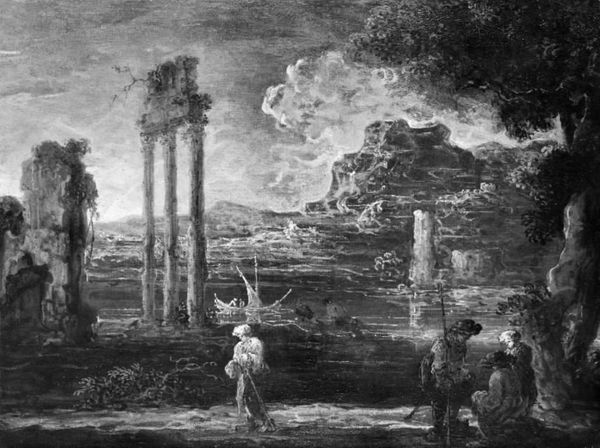
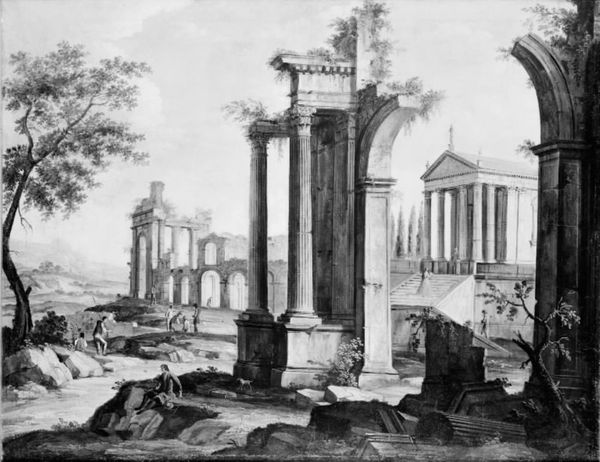
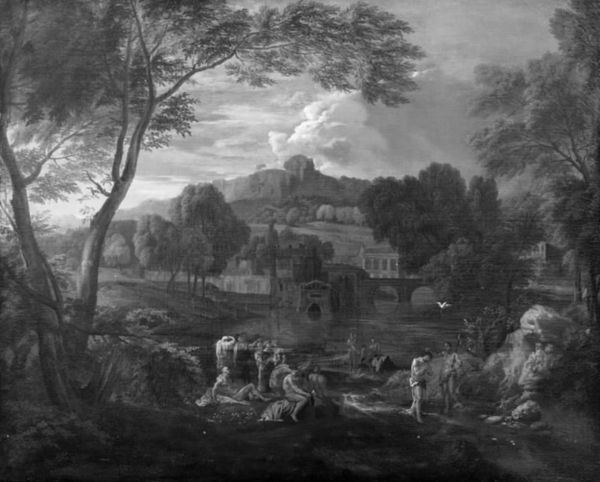
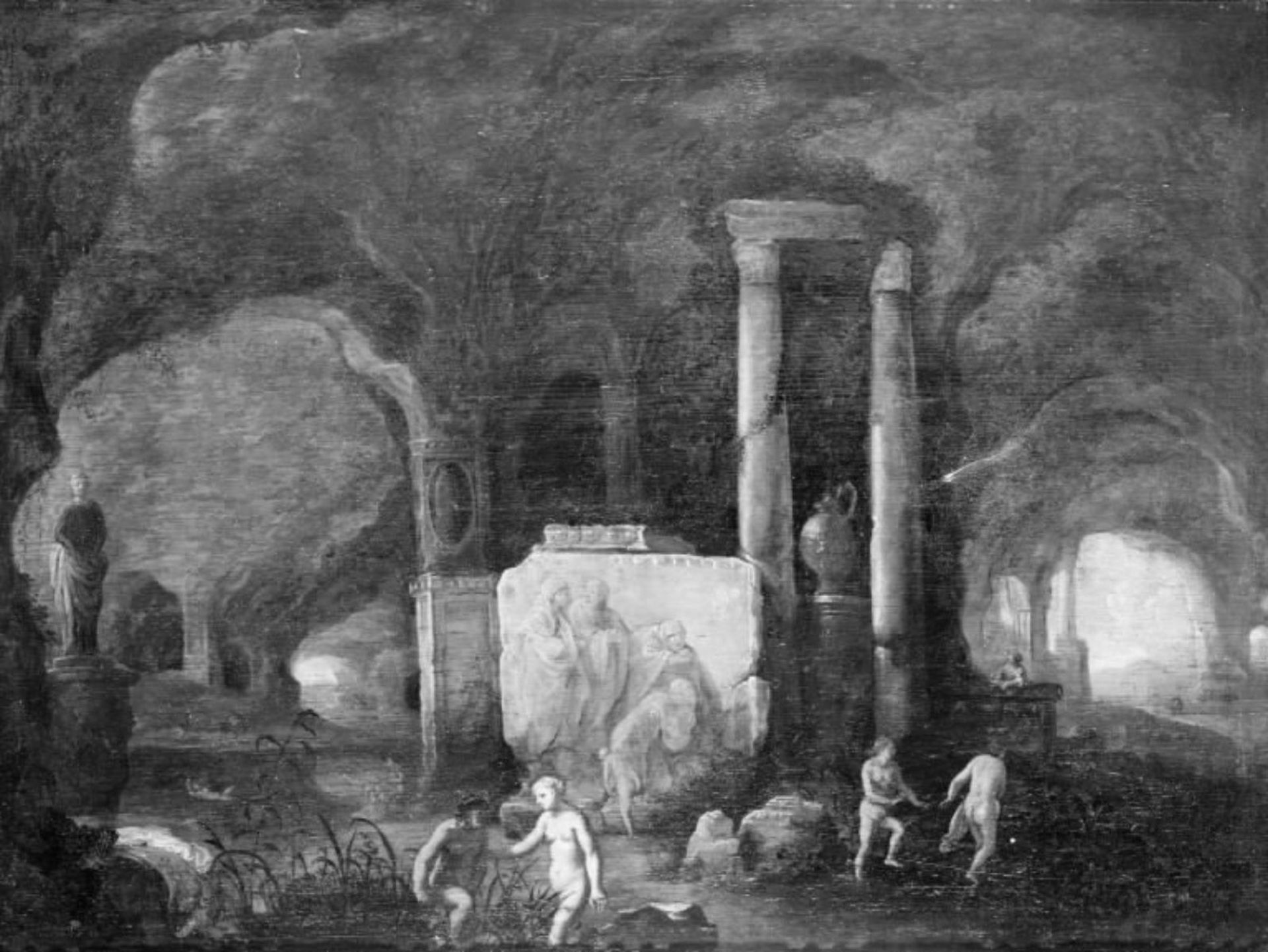
Abraham van Cuylenborch painted this scene with oil on canvas. Here we observe a grotto inhabited by nymphs, figures deeply rooted in classical mythology. They represent the spirits of nature, often associated with springs and groves, embodying a connection to the earth’s life force. The broken columns and classical architecture serve as potent symbols of a bygone era. Echoes of antiquity resonate through time, linking the Dutch Golden Age of Cuylenborch to the classical world, a revival of earlier forms. Think of the Venus Pudica gesture – one hand covering the loins, a motif that has recurred through countless interpretations, each echoing a sense of modesty, yet also hinting at hidden desires. The grotto, a space both natural and constructed, becomes a stage where these timeless symbols play out. In dreams, caves are liminal spaces that often represent the subconscious; we project our own desires and anxieties onto these forms. Observe how these nymphs draw us into a dance between the conscious and unconscious, antiquity and modernity, in the ever-repeating patterns of cultural memory.
Grotto with Bathing Nymphs
1643 - 1647


Artwork details
- Medium
- painting, oil-paint, wood
- Dimensions
- 34.5 cm (height) x 45.5 cm (width) (Netto)
- Location
- SMK - Statens Museum for Kunst
Tags
Comments
Share your thoughts
About this artwork
Abraham van Cuylenborch painted this scene with oil on canvas. Here we observe a grotto inhabited by nymphs, figures deeply rooted in classical mythology. They represent the spirits of nature, often associated with springs and groves, embodying a connection to the earth’s life force. The broken columns and classical architecture serve as potent symbols of a bygone era. Echoes of antiquity resonate through time, linking the Dutch Golden Age of Cuylenborch to the classical world, a revival of earlier forms. Think of the Venus Pudica gesture – one hand covering the loins, a motif that has recurred through countless interpretations, each echoing a sense of modesty, yet also hinting at hidden desires. The grotto, a space both natural and constructed, becomes a stage where these timeless symbols play out. In dreams, caves are liminal spaces that often represent the subconscious; we project our own desires and anxieties onto these forms. Observe how these nymphs draw us into a dance between the conscious and unconscious, antiquity and modernity, in the ever-repeating patterns of cultural memory.
Comments
Share your thoughts