About this artwork
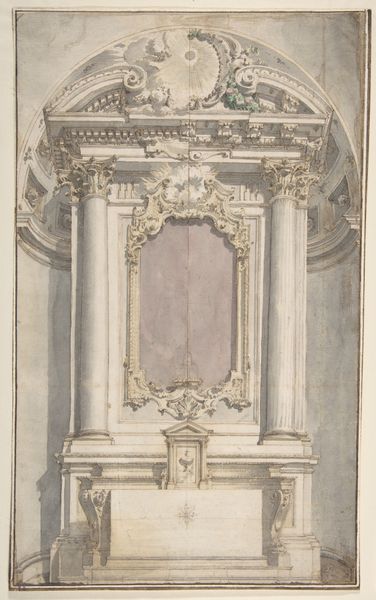
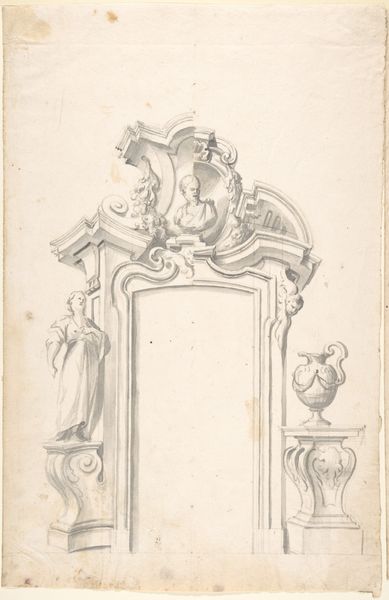
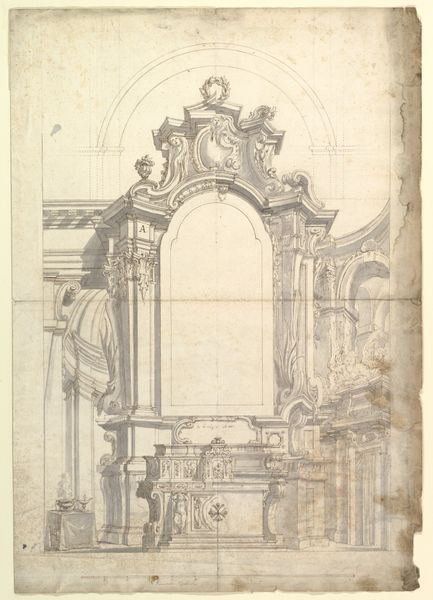
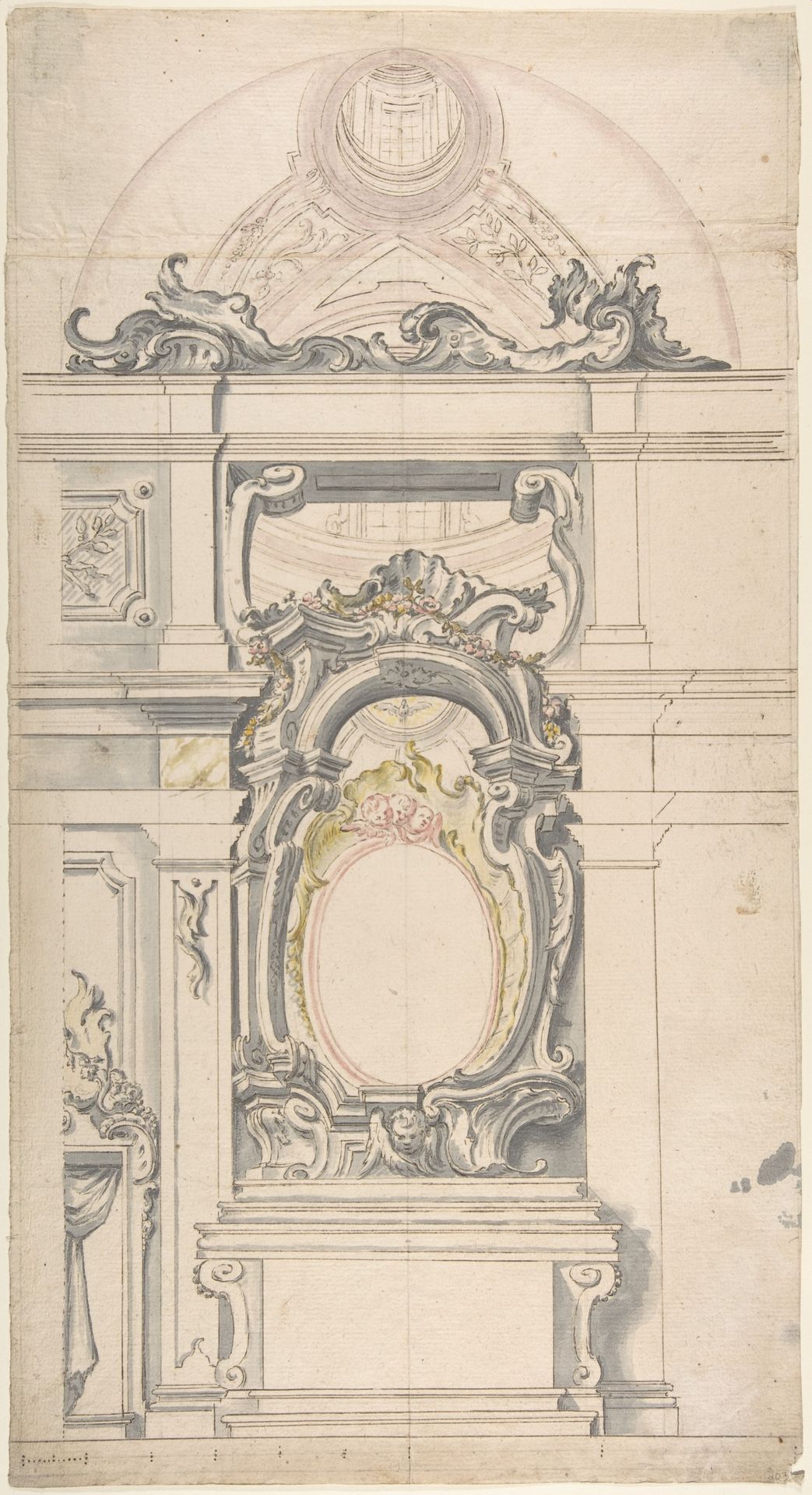
This is a design for an altar with a vaulted chapel behind, rendered in pen and brown ink with gray wash. Note how the anonymous artist masterfully utilizes the interplay of line and shadow to evoke a sense of depth and grandeur. The architectural elements, from the altar's base to the chapel's vaulted ceiling, are meticulously detailed, drawing the eye upward. The use of gray wash is particularly striking, creating a play of light and shadow that gives the design a three-dimensional quality. This formal approach reflects a broader artistic concern with perspective and spatial representation, evident in architectural drawings of the period. Consider how the precise lines and geometric forms create a sense of order and rationality, reflecting the intellectual climate in which it was produced. This design invites us to consider the relationship between art, architecture, and the broader cultural values they represent.
Design for an Altar With a Vaulted Chapel Behind
1700 - 1780


Artwork details
- Medium
- drawing, print, watercolor, pencil, architecture
- Dimensions
- 19 5/8 x 10 5/8 in. (49.9 x 27 cm)
- Location
- Metropolitan Museum of Art, New York, NY
- Copyright
- Public Domain
Tags
Comments
Share your thoughts
About this artwork
This is a design for an altar with a vaulted chapel behind, rendered in pen and brown ink with gray wash. Note how the anonymous artist masterfully utilizes the interplay of line and shadow to evoke a sense of depth and grandeur. The architectural elements, from the altar's base to the chapel's vaulted ceiling, are meticulously detailed, drawing the eye upward. The use of gray wash is particularly striking, creating a play of light and shadow that gives the design a three-dimensional quality. This formal approach reflects a broader artistic concern with perspective and spatial representation, evident in architectural drawings of the period. Consider how the precise lines and geometric forms create a sense of order and rationality, reflecting the intellectual climate in which it was produced. This design invites us to consider the relationship between art, architecture, and the broader cultural values they represent.
Comments
Share your thoughts