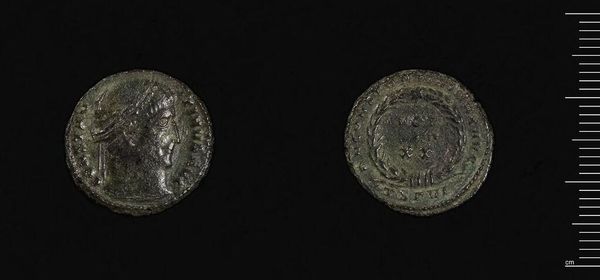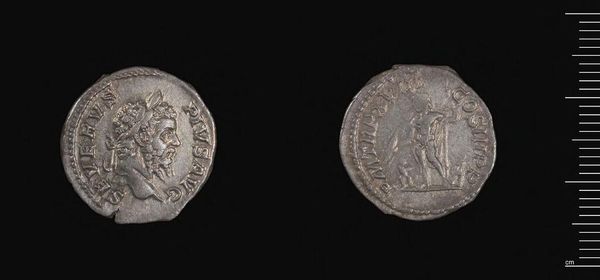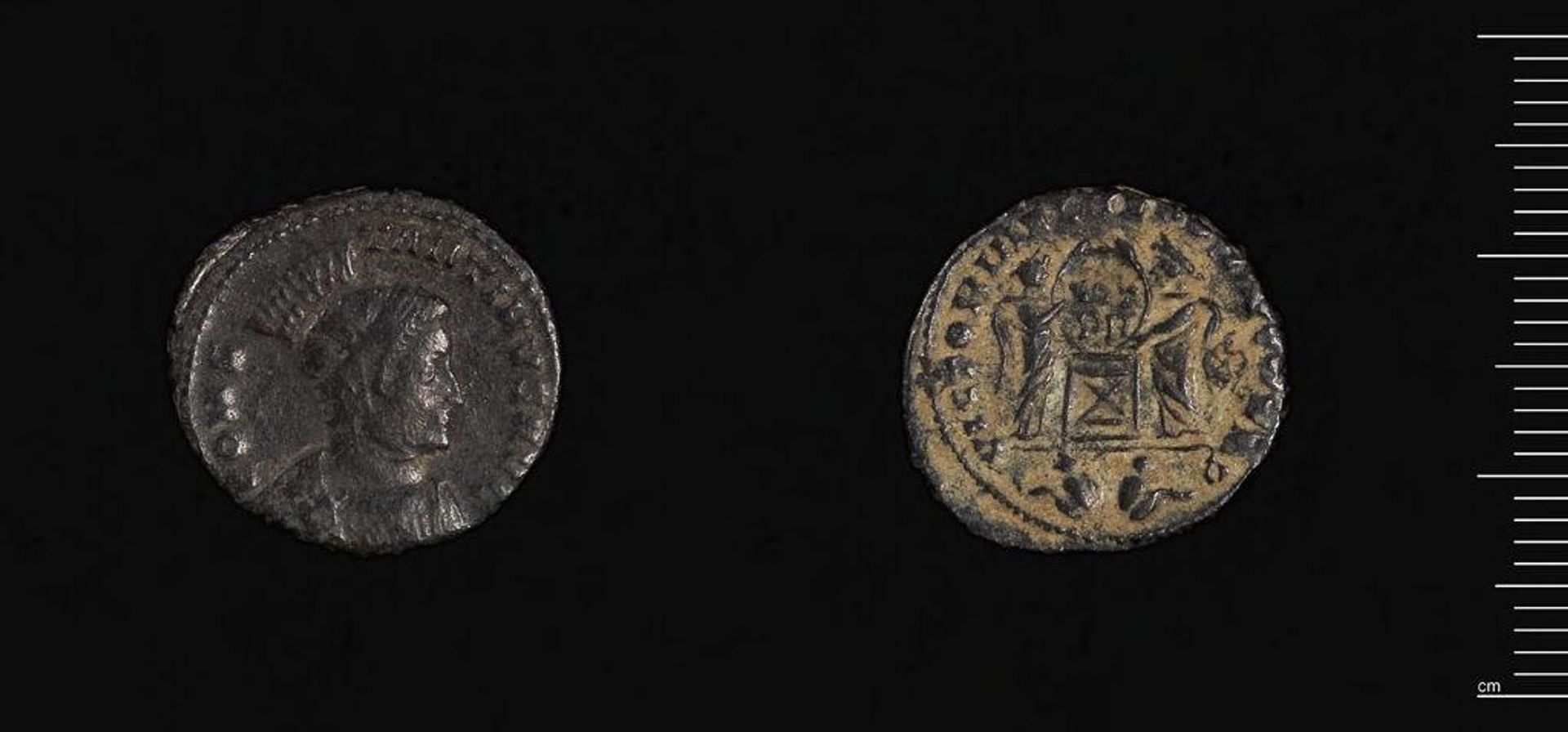
c. 4th century
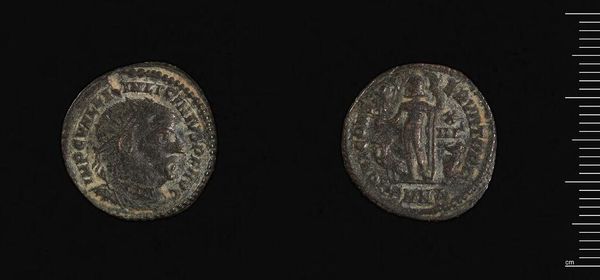
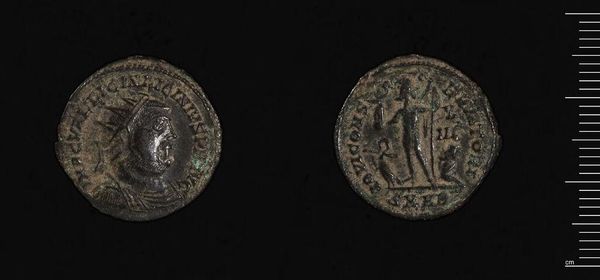
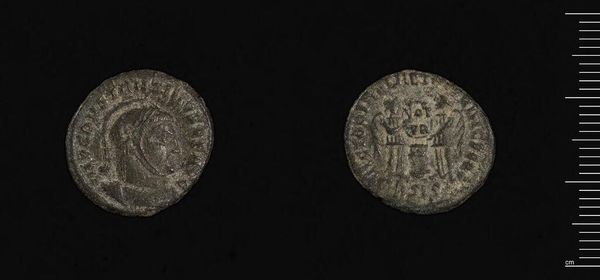
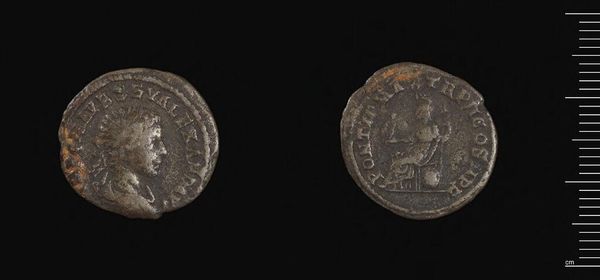
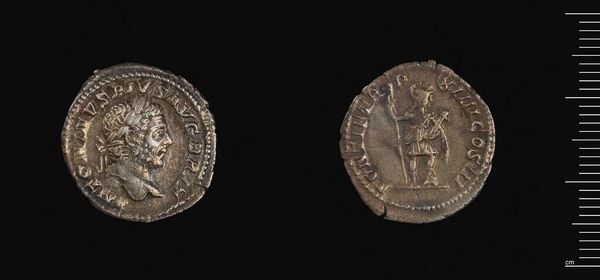
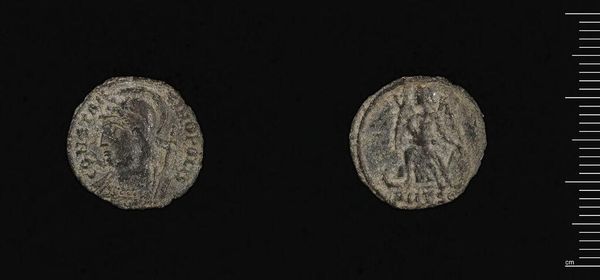
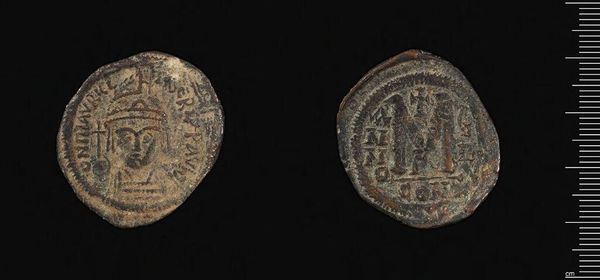
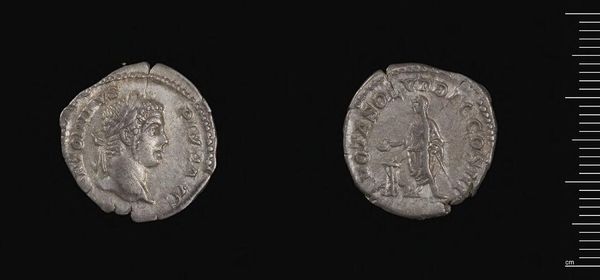
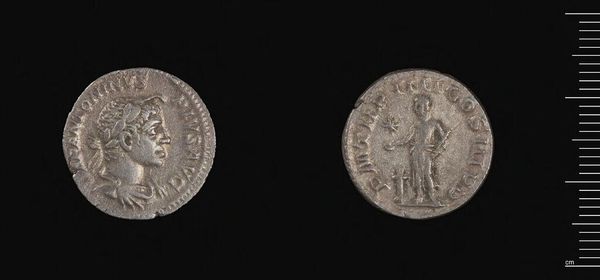
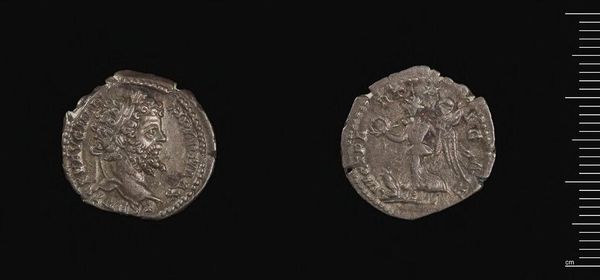
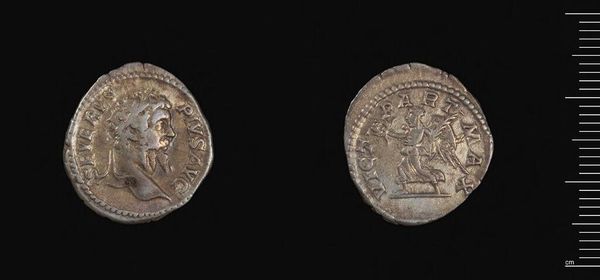
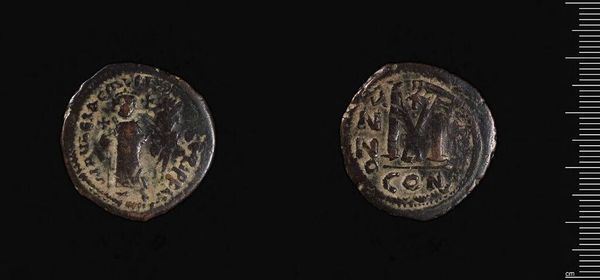
Follis of Constantine I, Lugdunum

Listen to curator's interpretation
Curatorial notes
Editor: This is a Follis of Constantine I, a coin housed at the Harvard Art Museums. It feels almost like a talisman. What symbols do you see embedded here? Curator: Coins are fascinating artifacts, each element meticulously chosen. The portrait of Constantine, the inscriptions…they communicate power. Consider the *sella curulis* depicted; a throne, laden with symbolic weight signifying authority. Editor: So the choice of imagery here is intentional? Curator: Absolutely. Every detail is a carefully constructed visual language. Constantine used these symbols to connect with his people. What meaning do you see in that continuity? Editor: The coin's imagery seems like a carefully managed brand for the emperor. Curator: Precisely. Visual symbols reinforcing power structures. Editor: It’s incredible to see how even something so small can carry so much cultural significance.