About this artwork
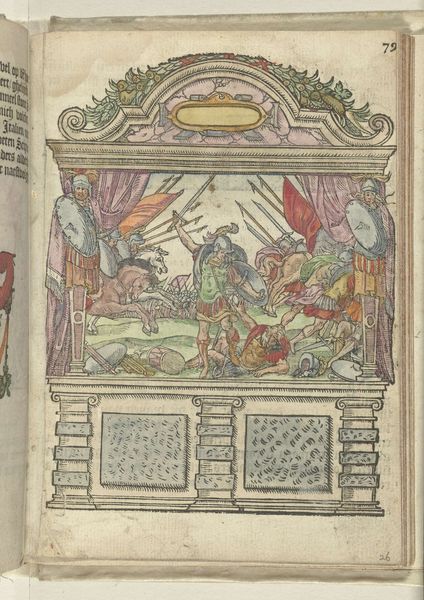
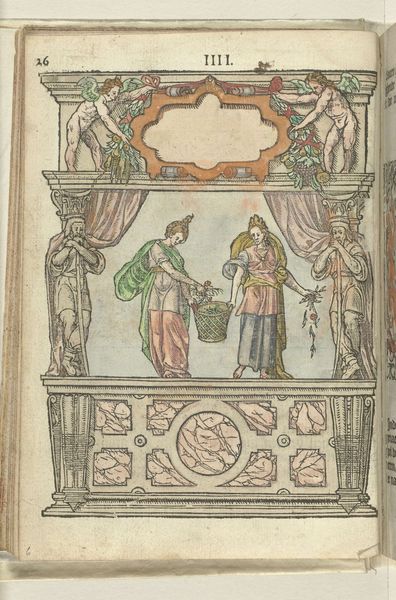
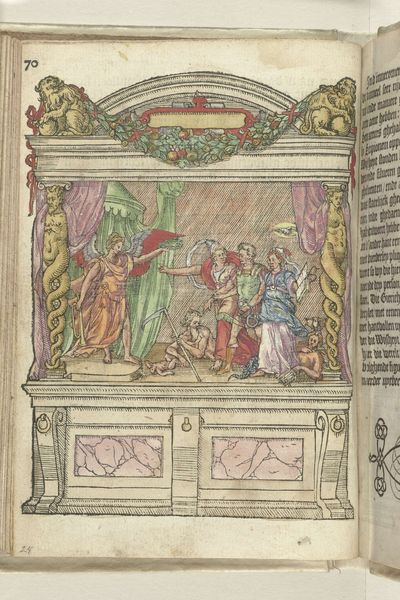
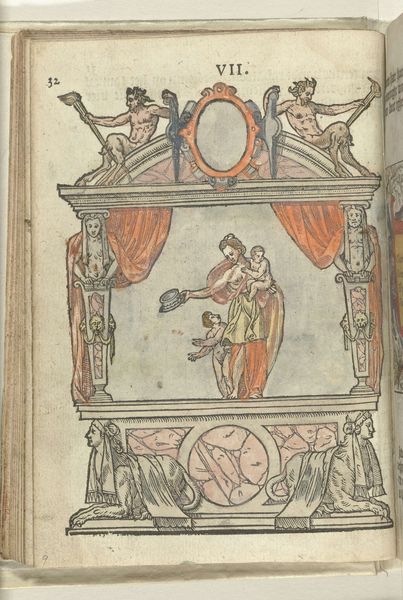
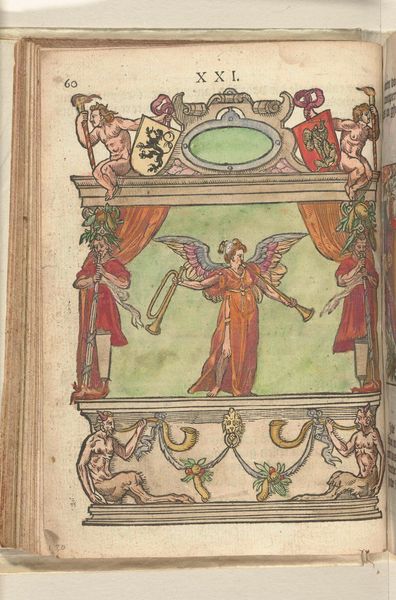
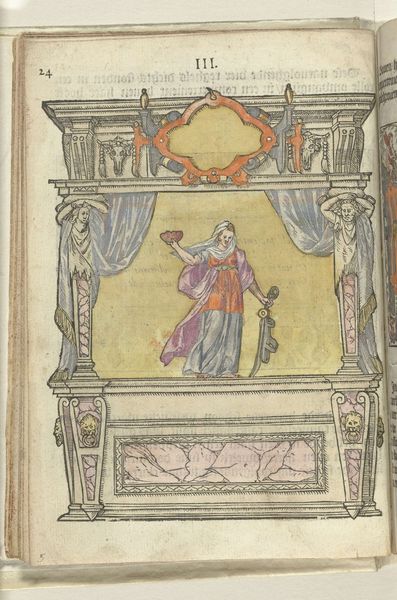
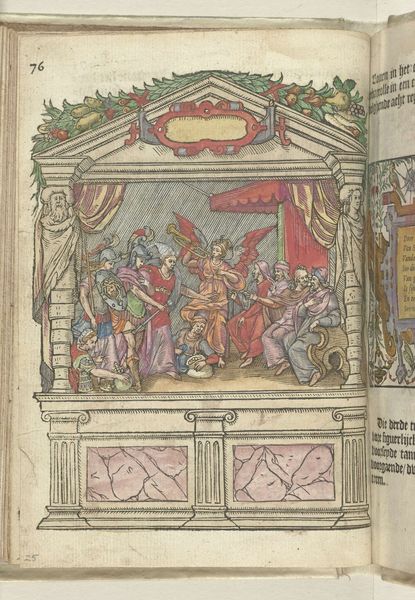
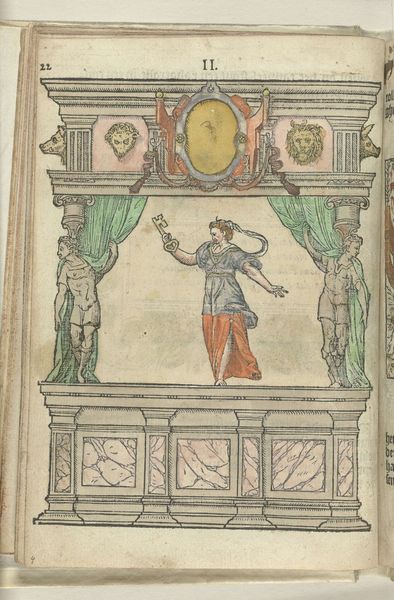
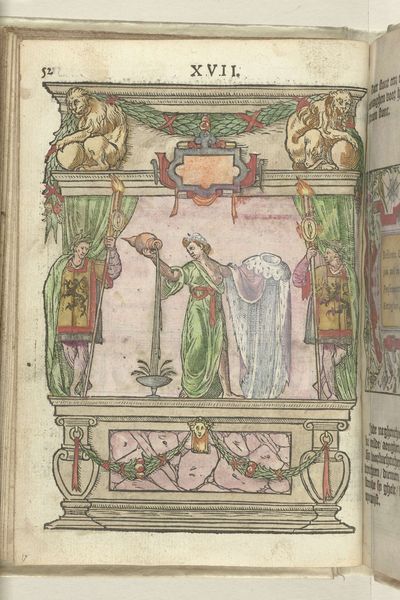
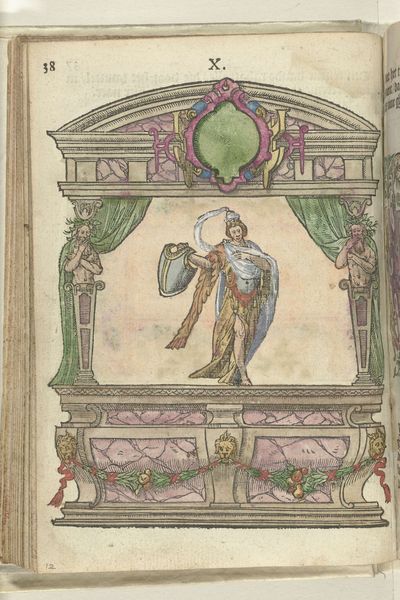
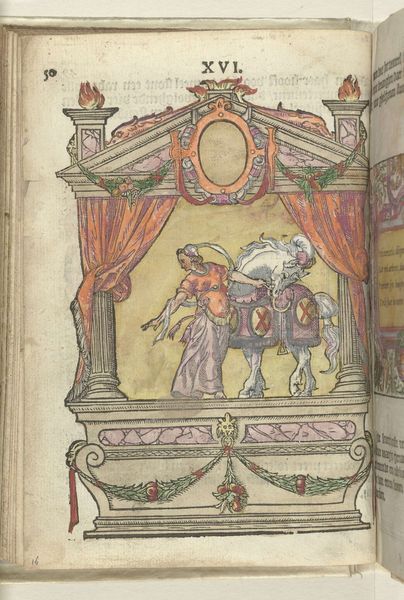
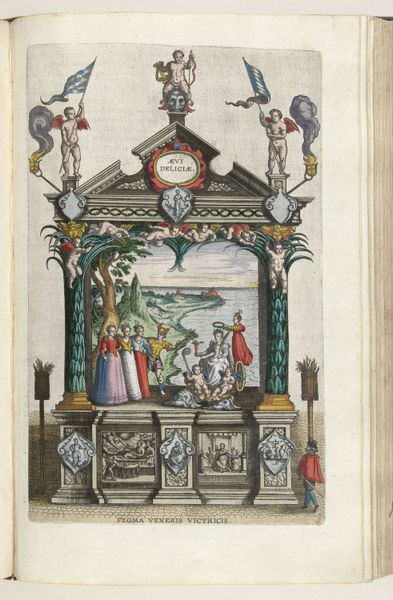
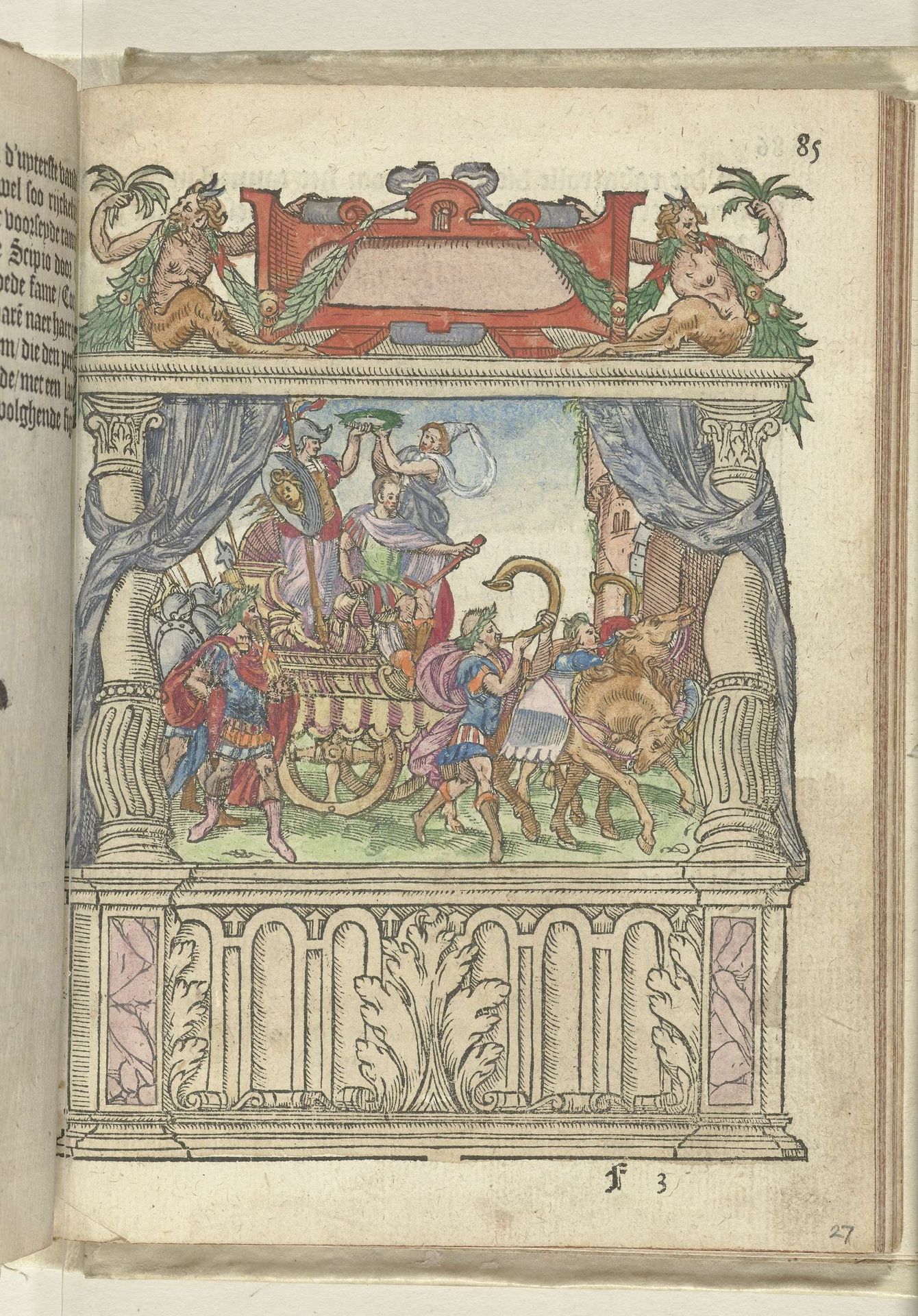
Antoni van Leest created this allegorical piece in 1578. It depicts a theatrical performance set against the backdrop of a turbulent time in Dutch history. The scene captures a triumphant procession, possibly a commentary on power, leadership, and public spectacle. Consider the era in which it was produced; this was during the early stages of the Dutch Revolt, a period marked by religious and political conflict. It raises questions about the role of theater and art as tools for propaganda. What narratives were being promoted, and whose voices were amplified or silenced? The use of allegory invites us to decode the layers of meaning embedded within the image. The figures, the chariot, and the architecture all carry symbolic weight. This work engages with the historical and cultural context of its time. It encourages us to think about the stories we tell ourselves about power, identity, and the theater of public life.
Allegorische voorstelling op het toneel aan het eind van de Steenweg, 1578
1578 - 1579

Artwork details
- Medium
- print, engraving
- Dimensions
- height 155 mm, width 115 mm
- Copyright
- Rijks Museum: Open Domain
Tags
Comments
Share your thoughts
About this artwork
Antoni van Leest created this allegorical piece in 1578. It depicts a theatrical performance set against the backdrop of a turbulent time in Dutch history. The scene captures a triumphant procession, possibly a commentary on power, leadership, and public spectacle. Consider the era in which it was produced; this was during the early stages of the Dutch Revolt, a period marked by religious and political conflict. It raises questions about the role of theater and art as tools for propaganda. What narratives were being promoted, and whose voices were amplified or silenced? The use of allegory invites us to decode the layers of meaning embedded within the image. The figures, the chariot, and the architecture all carry symbolic weight. This work engages with the historical and cultural context of its time. It encourages us to think about the stories we tell ourselves about power, identity, and the theater of public life.
Comments
Share your thoughts