About this artwork
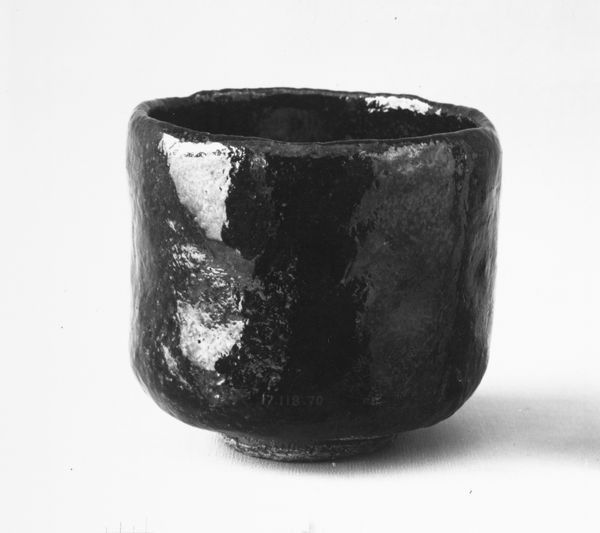
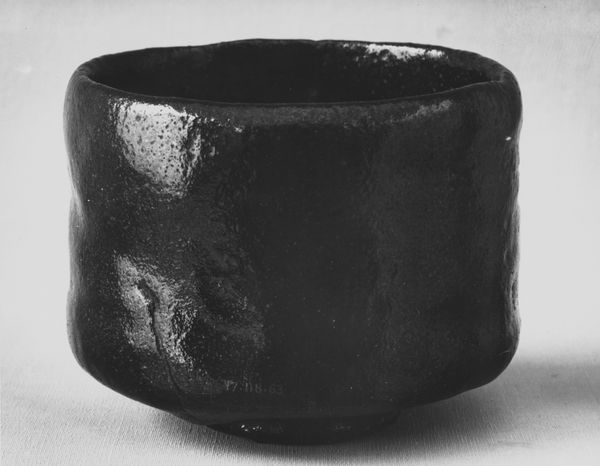
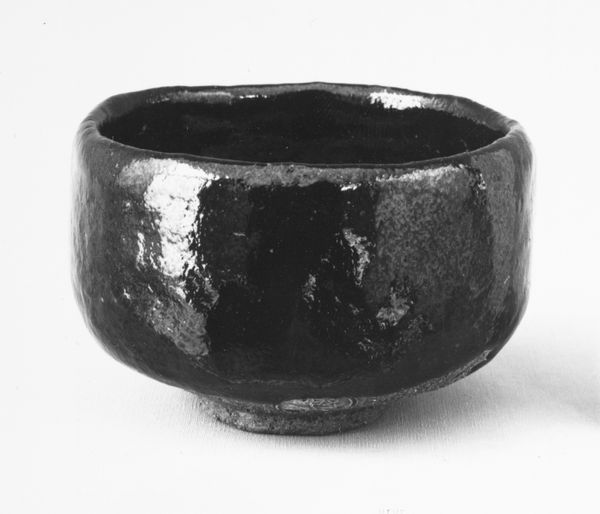
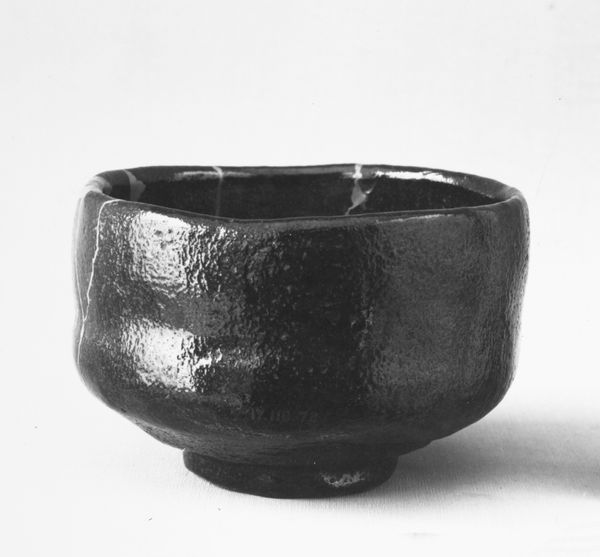
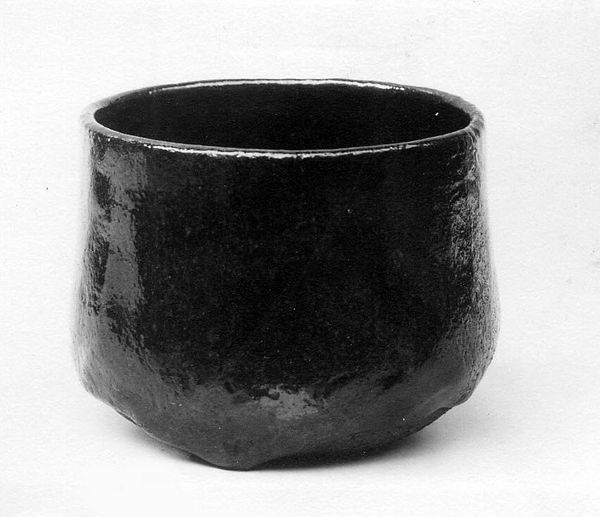
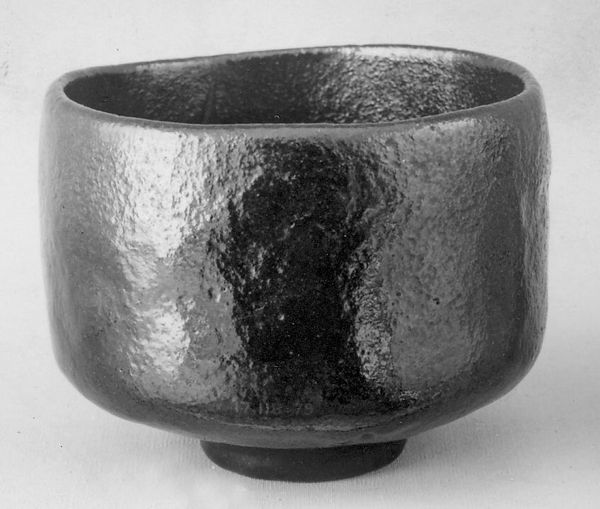
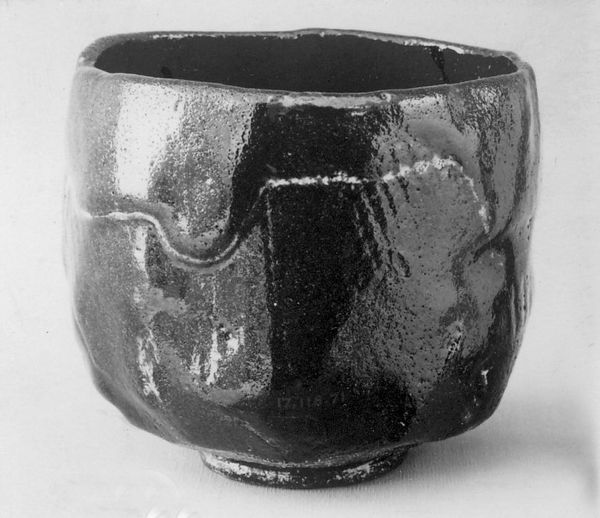
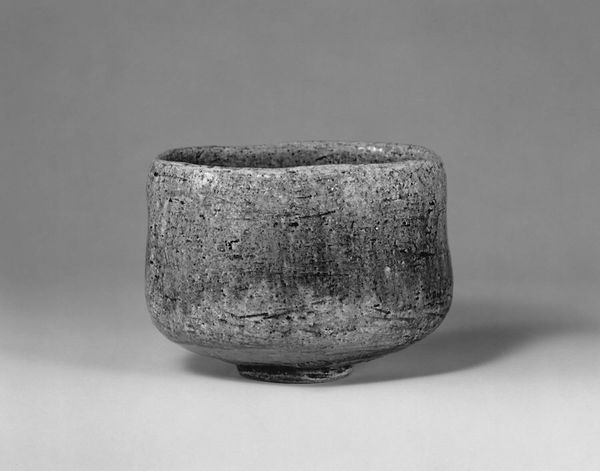
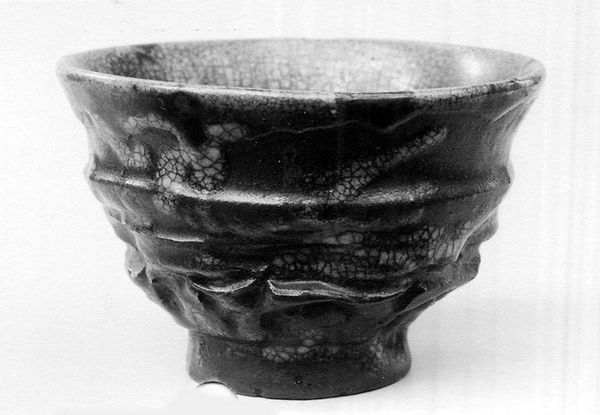
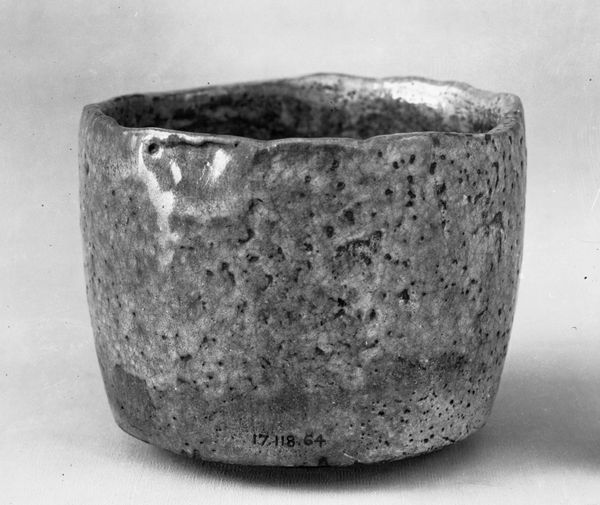
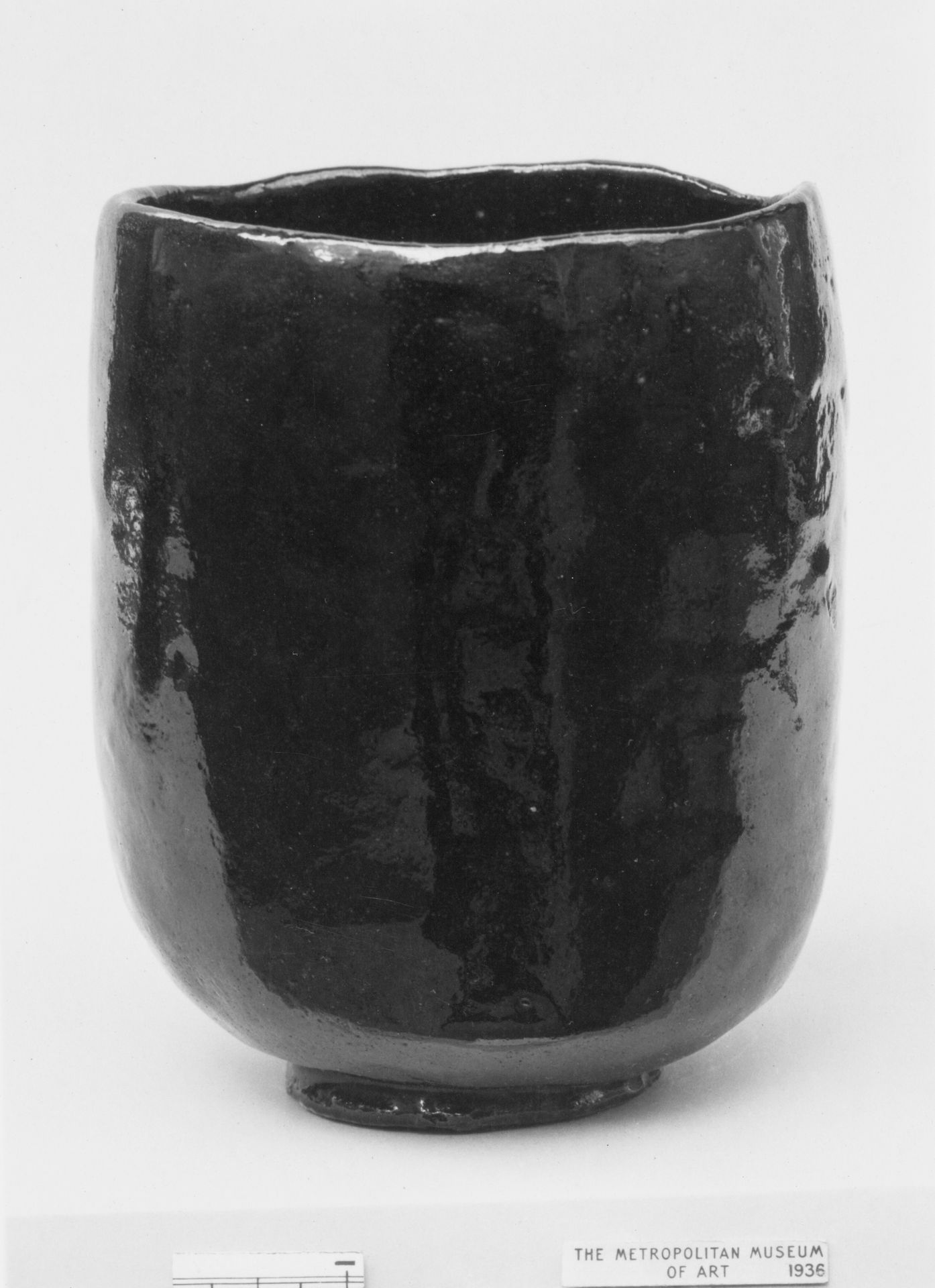
This is a teabowl, made by Sonyu, around the early 18th century. Its dark glaze and seemingly simple form carry a depth of historical and cultural significance. The color black, dominating the bowl, is more than just a hue. In the context of Japanese tea culture, it evokes wabi-sabi, an aesthetic that finds beauty in imperfection, impermanence, and simplicity. Think of it as a visual representation of Zen philosophy, where the absence of color invites contemplation. We see parallels in the monochrome ink paintings of the Song Dynasty, where the absence of color amplifies the expression. The teabowl embodies the cyclical nature of symbols. It’s not merely a static object but a vessel through which cultural memory flows, engaging us on a subconscious level. The emotional power lies in its quiet simplicity, reminding us of the profound connection between the human spirit and the natural world.
Teabowl
18th century


Artwork details
- Medium
- ceramic, earthenware
- Dimensions
- H. 5 1/4 in. (13.3 cm); Diam. 4 1/4 in. (10.8 cm)
- Location
- Metropolitan Museum of Art, New York, NY
- Copyright
- Public Domain
Tags
Comments
Share your thoughts
About this artwork
This is a teabowl, made by Sonyu, around the early 18th century. Its dark glaze and seemingly simple form carry a depth of historical and cultural significance. The color black, dominating the bowl, is more than just a hue. In the context of Japanese tea culture, it evokes wabi-sabi, an aesthetic that finds beauty in imperfection, impermanence, and simplicity. Think of it as a visual representation of Zen philosophy, where the absence of color invites contemplation. We see parallels in the monochrome ink paintings of the Song Dynasty, where the absence of color amplifies the expression. The teabowl embodies the cyclical nature of symbols. It’s not merely a static object but a vessel through which cultural memory flows, engaging us on a subconscious level. The emotional power lies in its quiet simplicity, reminding us of the profound connection between the human spirit and the natural world.
Comments
Share your thoughts