About this artwork
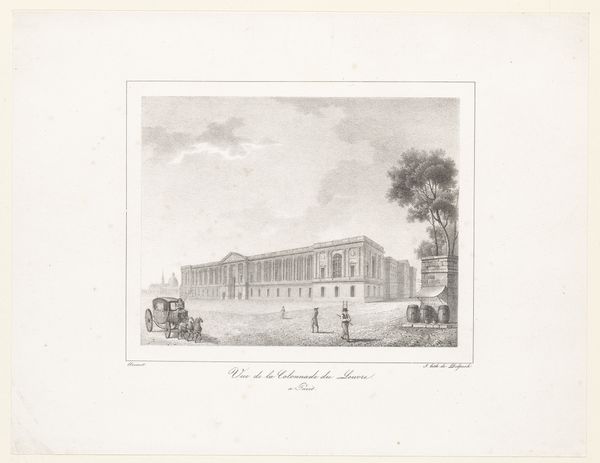
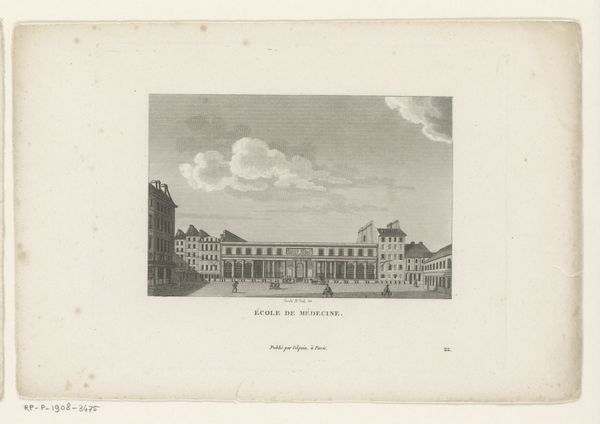
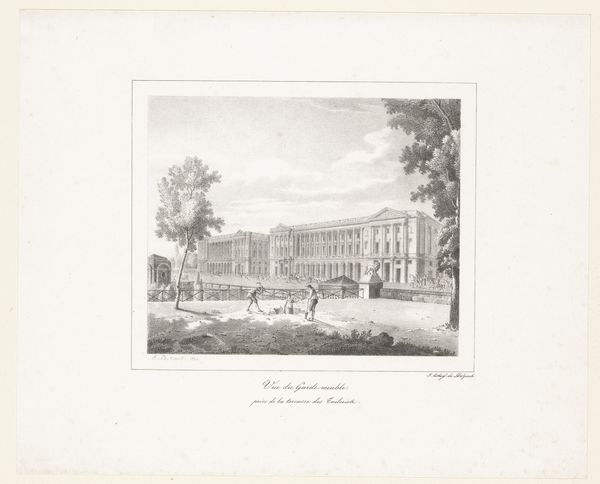
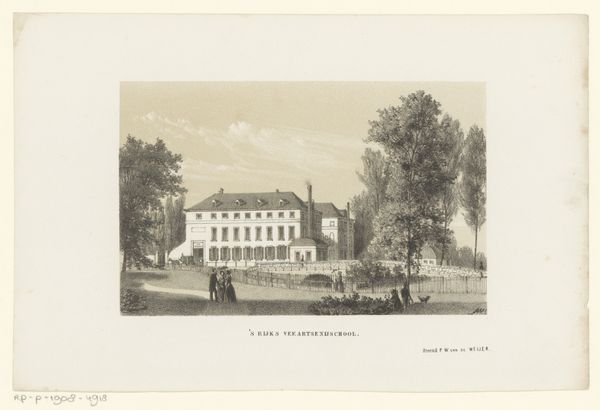
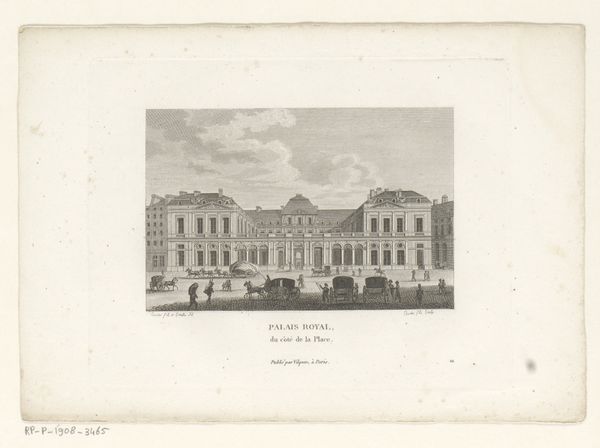
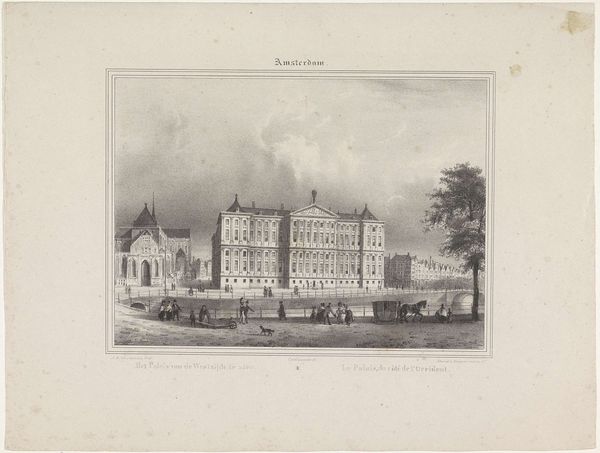
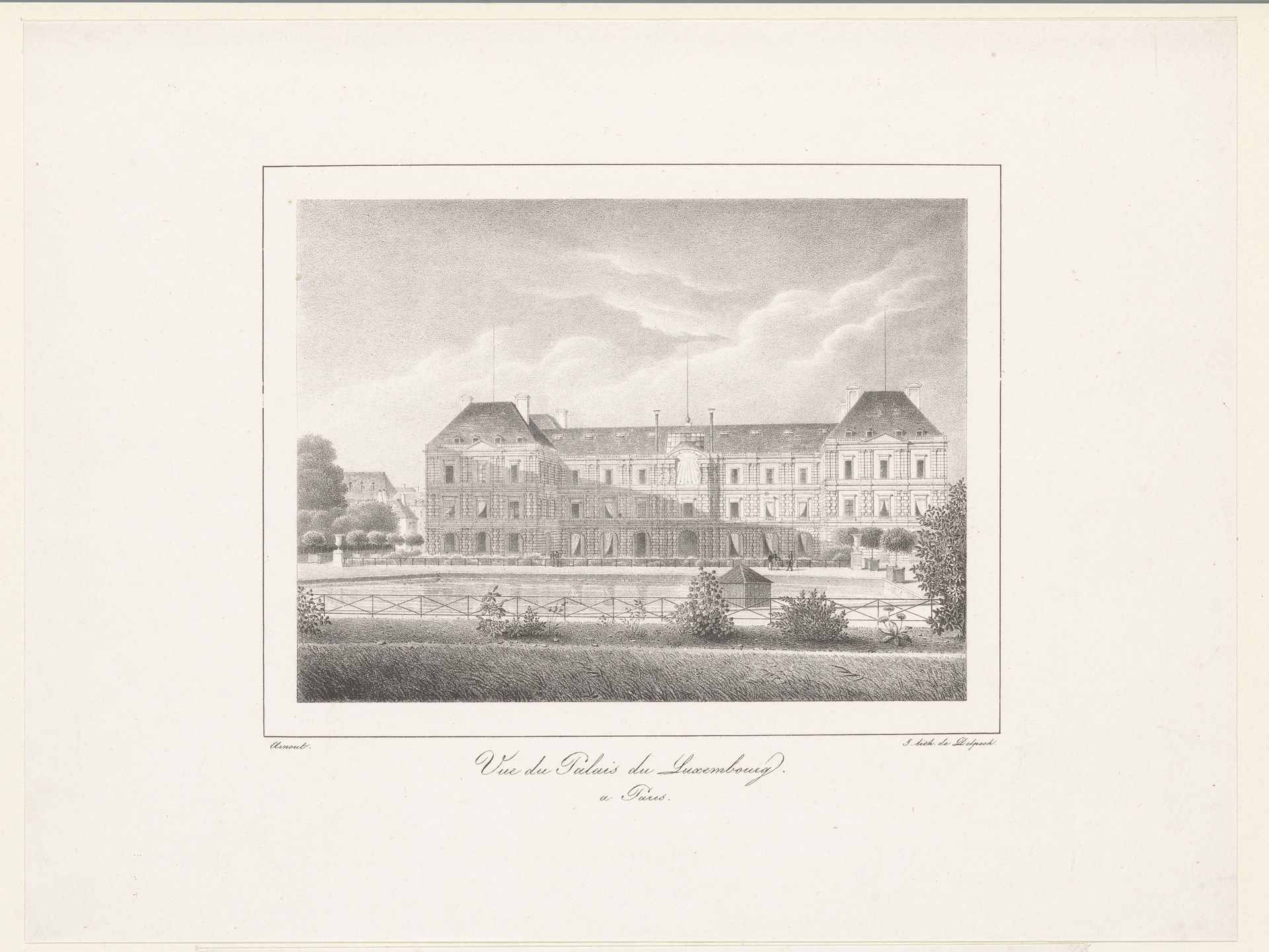
Jean-Baptiste Arnout made this print of the Palais du Luxembourg in Paris at an unknown date. It pictures the palace from across a body of water, and the building appears as a symbol of French power. Consider the Luxembourg Palace’s history, it was initially built in the early 17th century for Marie de Medici, the widow of King Henry IV, as a royal residence. It has since served various functions. At the time that Arnout made this print, in the first half of the 19th century, the printmaking industry was booming. Images like this one helped to define the look and feel of Paris. Prints such as this are valuable historical resources. By looking into the history of the Luxembourg Palace and the printmaking industry of the time, we can gain a deeper understanding of the social, cultural, and political context in which this image was made.
Zicht op het Palais du Luxembourg in Parijs 1820 - 1821

Jean-Baptiste Arnout
1788 - 1865Location
RijksmuseumArtwork details
- Medium
- print, etching, engraving, architecture
- Dimensions
- height 244 mm, width 321 mm
- Location
- Rijksmuseum
- Copyright
- Rijks Museum: Open Domain
Tags
neoclacissism
etching
old engraving style
landscape
cityscape
engraving
architecture
Comments
No comments
About this artwork
Jean-Baptiste Arnout made this print of the Palais du Luxembourg in Paris at an unknown date. It pictures the palace from across a body of water, and the building appears as a symbol of French power. Consider the Luxembourg Palace’s history, it was initially built in the early 17th century for Marie de Medici, the widow of King Henry IV, as a royal residence. It has since served various functions. At the time that Arnout made this print, in the first half of the 19th century, the printmaking industry was booming. Images like this one helped to define the look and feel of Paris. Prints such as this are valuable historical resources. By looking into the history of the Luxembourg Palace and the printmaking industry of the time, we can gain a deeper understanding of the social, cultural, and political context in which this image was made.
Comments
No comments