About this artwork
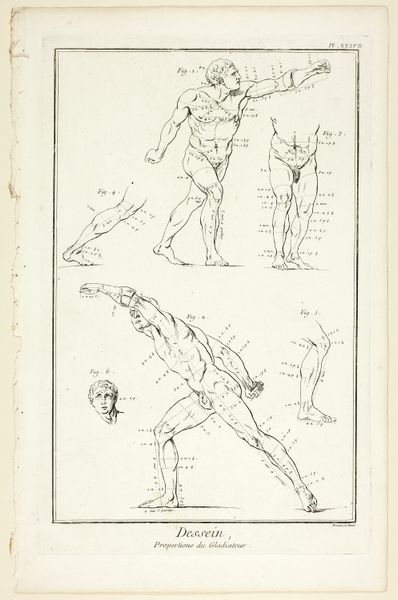
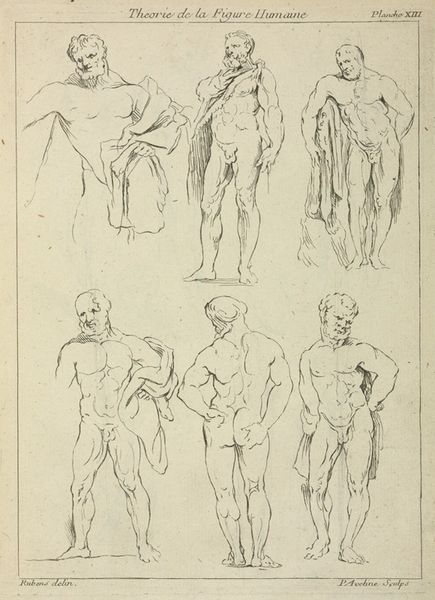
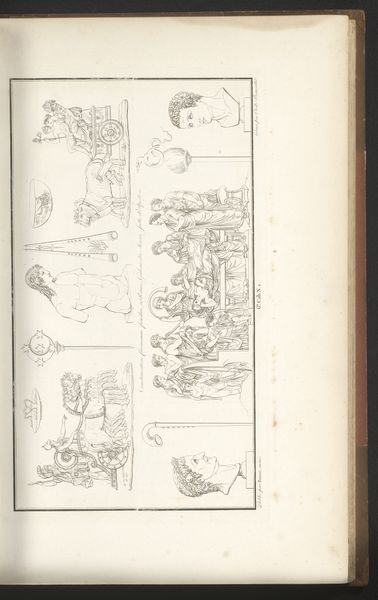
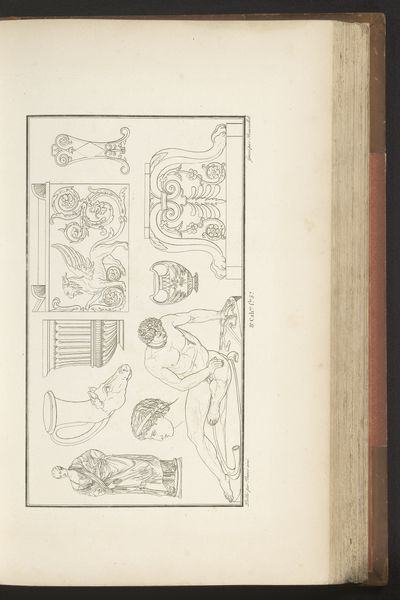
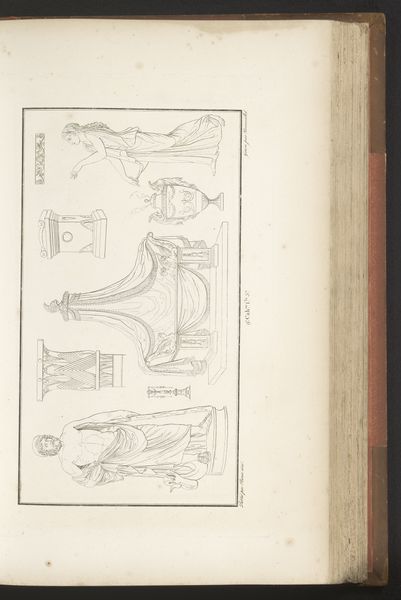
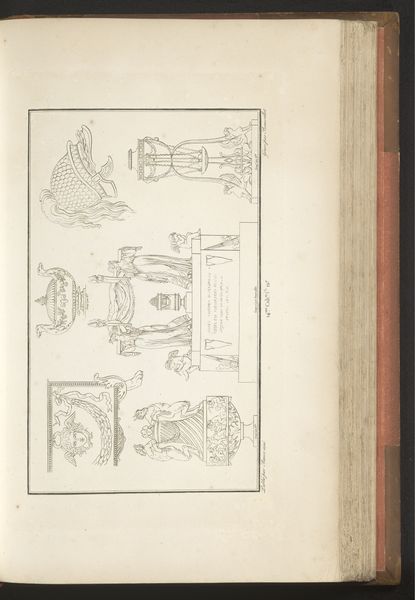
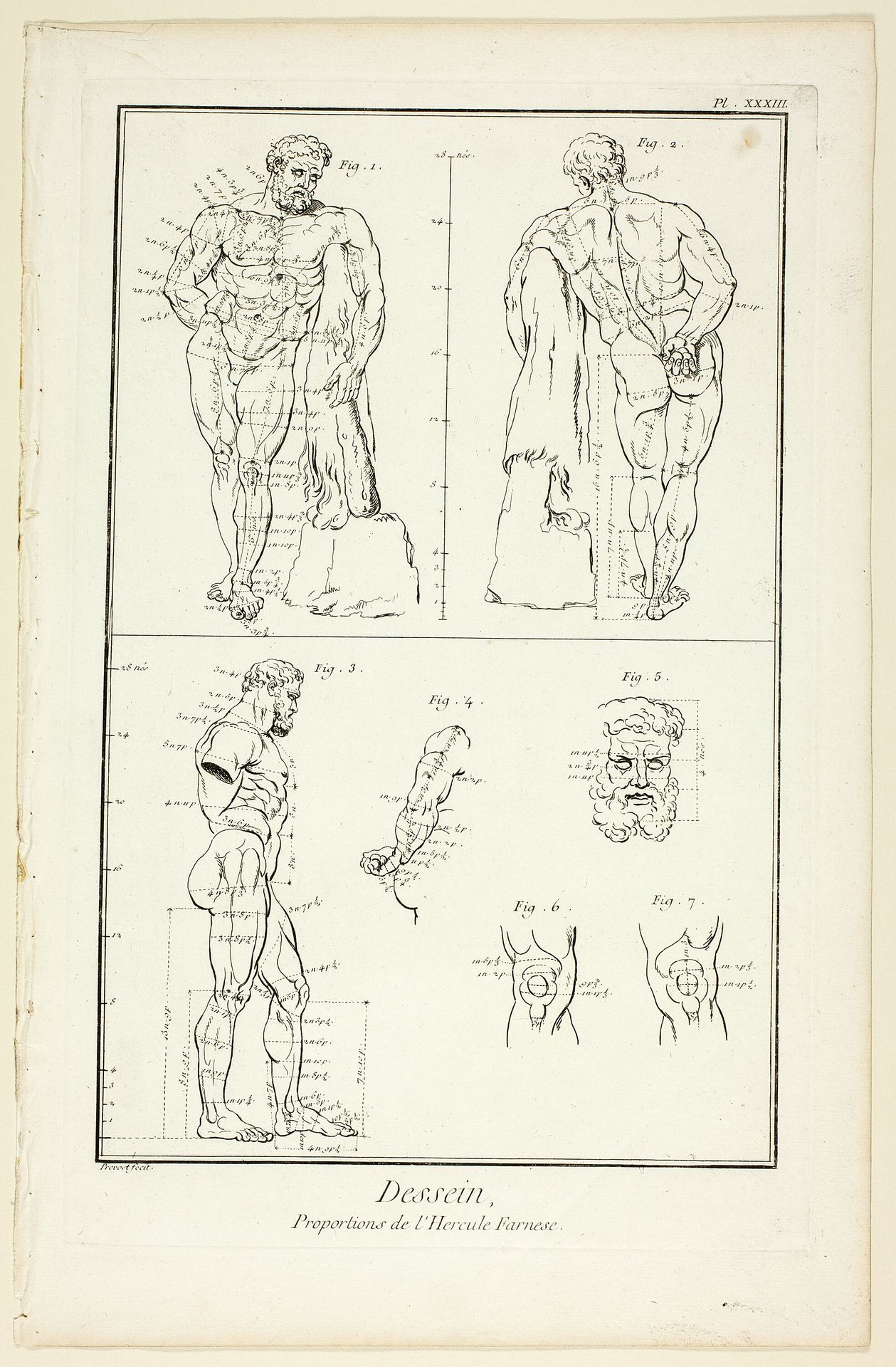
Benoit Louis Prevost rendered this print, "Proportions of the Farnese Hercules," for the Encyclopédie, capturing the essence of classical ideals through the figure of Hercules. Hercules, a symbol of strength and virtue, anchors the composition, inviting us to delve into the depths of its cultural resonance. Hercules embodies the heroic ideal, tracing back to ancient Greece and Rome. We see the 'resting Hercules' motif echoed through the ages, be it in Renaissance paintings or modern sculptures. The muscular form, celebrated in classical antiquity, signifies not just physical prowess but moral fortitude. His enduring appeal lies in our collective memory of striving for greatness. This representation of Hercules, measured and analyzed, reveals how we continually seek to understand and emulate the past, reflecting our ongoing dialogue with antiquity and the enduring power of symbols.
Design: Proportions of the Farnese Hercules, from Encyclopédie 1762 - 1777


Artwork details
- Medium
- drawing, print, etching, paper
- Dimensions
- 320 × 206 mm (image); 355 × 225 mm (plate); 400 × 260 mm (sheet)
- Location
- The Art Institute of Chicago
- Copyright
- Public Domain
Tags
portrait
drawing
neoclacissism
etching
figuration
paper
form
ancient-mediterranean
france
line
history-painting
academic-art
Comments
No comments
About this artwork
Benoit Louis Prevost rendered this print, "Proportions of the Farnese Hercules," for the Encyclopédie, capturing the essence of classical ideals through the figure of Hercules. Hercules, a symbol of strength and virtue, anchors the composition, inviting us to delve into the depths of its cultural resonance. Hercules embodies the heroic ideal, tracing back to ancient Greece and Rome. We see the 'resting Hercules' motif echoed through the ages, be it in Renaissance paintings or modern sculptures. The muscular form, celebrated in classical antiquity, signifies not just physical prowess but moral fortitude. His enduring appeal lies in our collective memory of striving for greatness. This representation of Hercules, measured and analyzed, reveals how we continually seek to understand and emulate the past, reflecting our ongoing dialogue with antiquity and the enduring power of symbols.
Comments
No comments