About this artwork
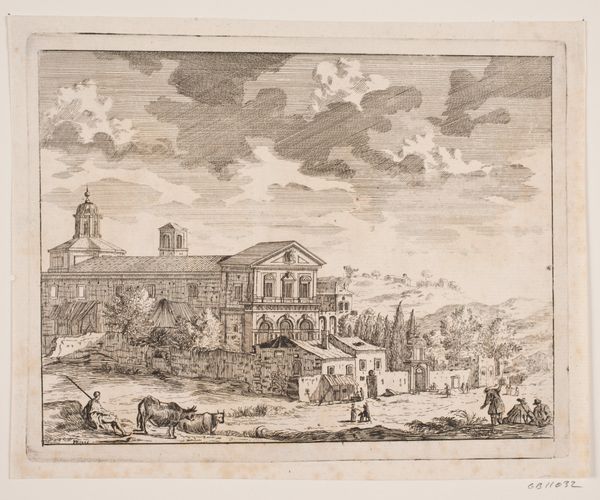
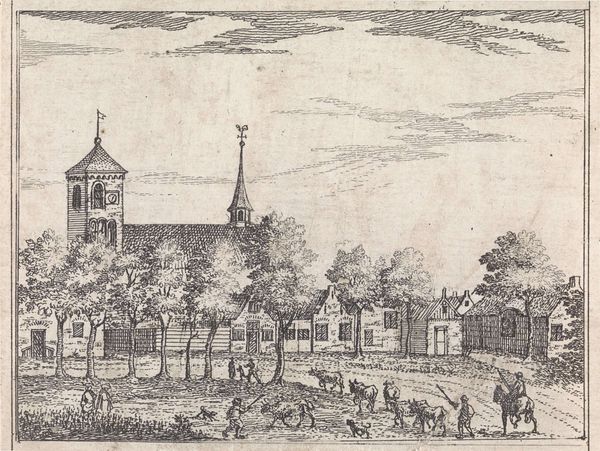
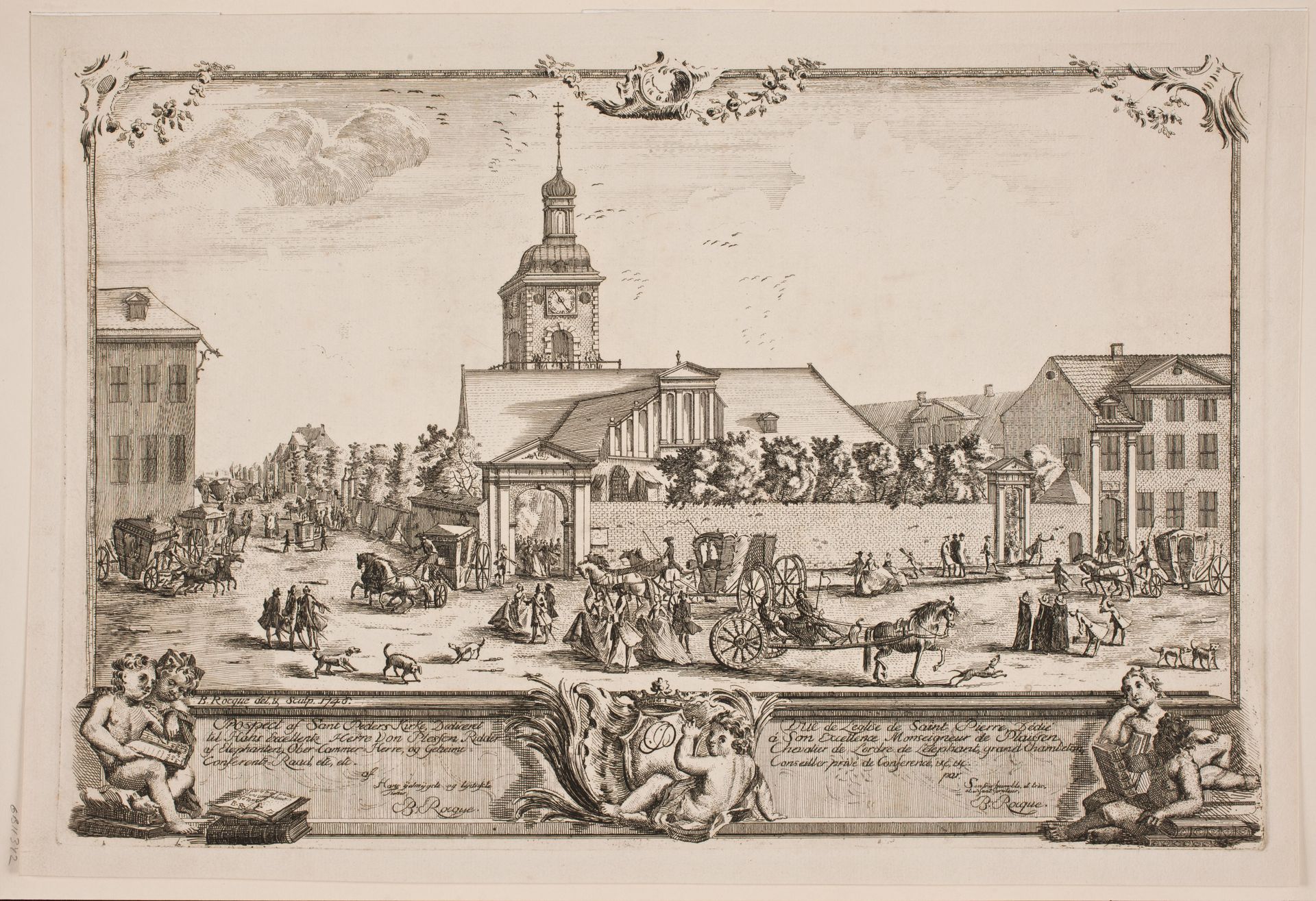
Bartholomæus Roque created this print of Sankt Peders Kirke in Copenhagen using etching, a printmaking technique where lines are incised into a metal plate with acid. The image shows us the church as a center of social life. Consider the process: an etcher like Roque would have been a skilled artisan, trained in the use of resists, acids, and printing presses. The labor is meticulous, requiring both precision and patience. The image bears the marks of this labor – the fine lines, the careful rendering of architectural detail, and the overall sense of controlled execution. It speaks to the burgeoning print market, where standardized images met consumer demand. Ultimately, prints like this are not just about the scene they depict. They are about the system of production that made them possible, a system of workshops, skilled labor, and distribution networks that were as integral to 18th-century society as the church itself. By understanding the materiality and making of this print, we gain a richer appreciation of its cultural significance.
Sankt Peders kirke, København
1746


Artwork details
- Medium
- print, etching, engraving
- Dimensions
- 246 mm (height) x 388 mm (width) (plademaal)
- Location
- SMK - Statens Museum for Kunst
Tags
Comments
Share your thoughts
About this artwork
Bartholomæus Roque created this print of Sankt Peders Kirke in Copenhagen using etching, a printmaking technique where lines are incised into a metal plate with acid. The image shows us the church as a center of social life. Consider the process: an etcher like Roque would have been a skilled artisan, trained in the use of resists, acids, and printing presses. The labor is meticulous, requiring both precision and patience. The image bears the marks of this labor – the fine lines, the careful rendering of architectural detail, and the overall sense of controlled execution. It speaks to the burgeoning print market, where standardized images met consumer demand. Ultimately, prints like this are not just about the scene they depict. They are about the system of production that made them possible, a system of workshops, skilled labor, and distribution networks that were as integral to 18th-century society as the church itself. By understanding the materiality and making of this print, we gain a richer appreciation of its cultural significance.
Comments
Share your thoughts