About this artwork
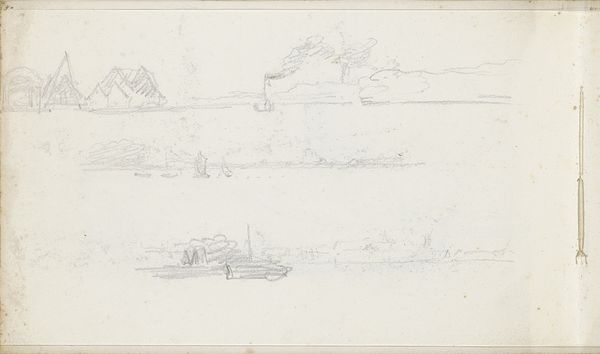
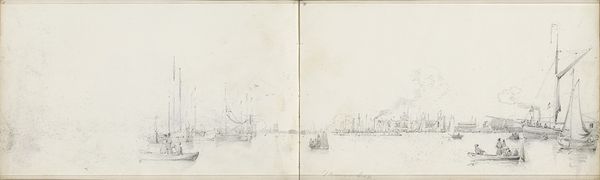
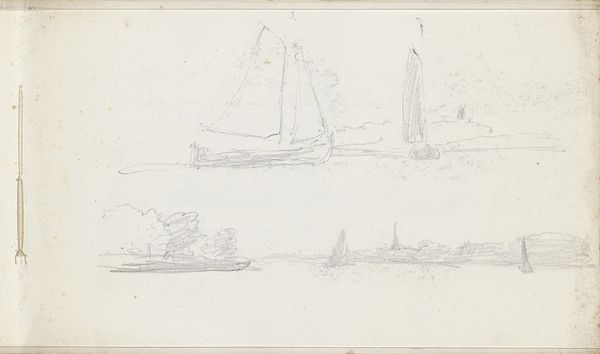
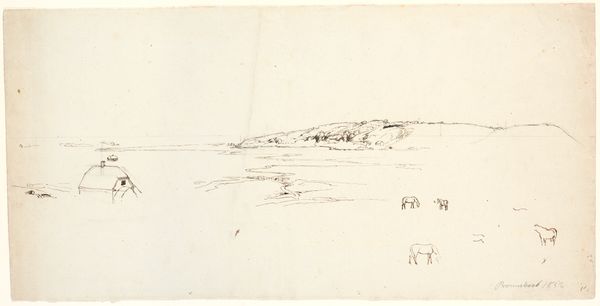
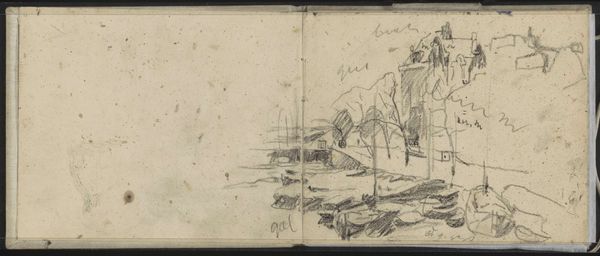
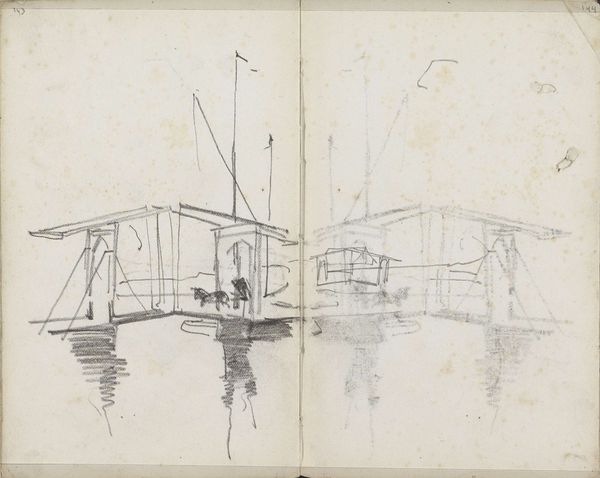
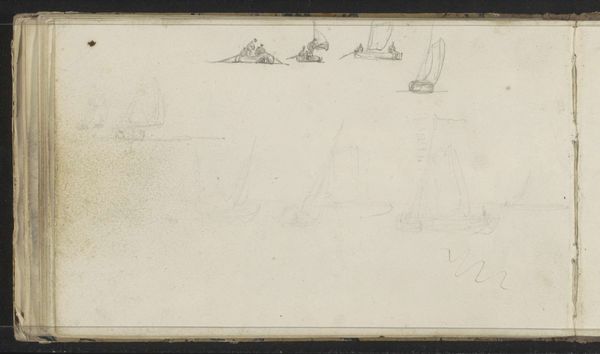
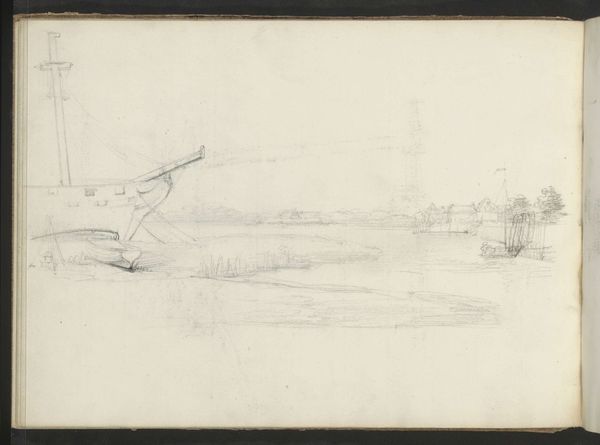
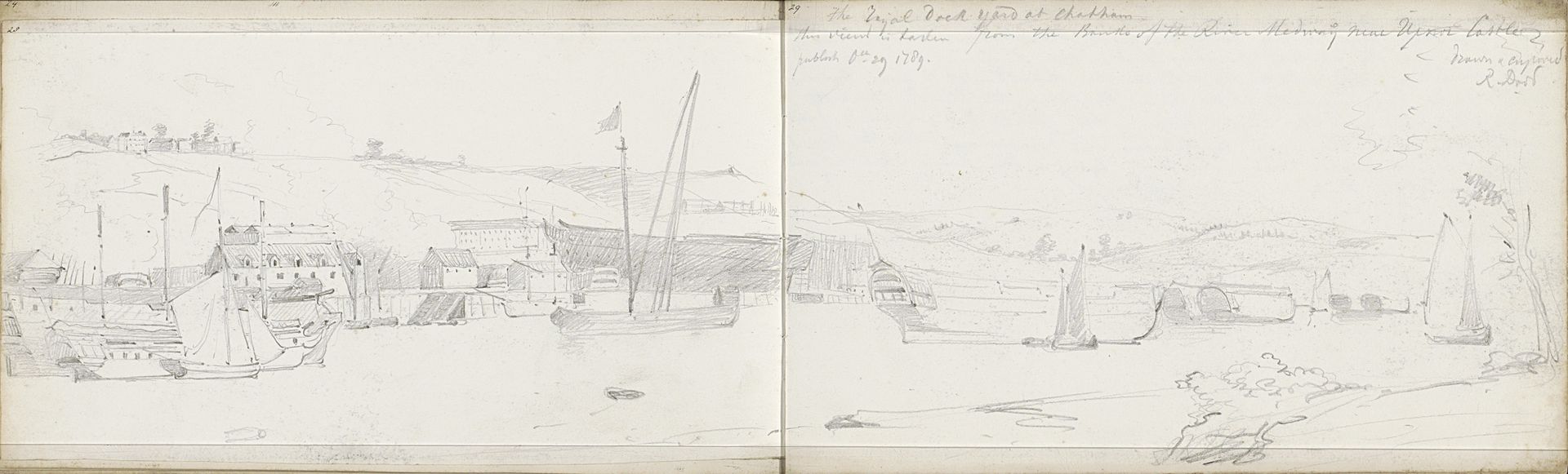
Petrus Johannes Schotel sketched the Royal Dockyard at Chatham, capturing the essence of maritime power. Dominating the scene are ships, symbols deeply entwined with trade, exploration, and naval strength, signifying England's connection to the seas, reminiscent of ancient Roman ships that symbolized expansion and dominance. These vessels connect to images across time, embodying similar themes of conquest and the human spirit of adventure. Consider, for instance, the recurring motif of the ship in dreams and myths, where it often represents the journey of life and the subconscious exploration of the self. The collective memory of ships, both as vehicles of progress and instruments of conflict, engages viewers on a subconscious level, evoking a blend of admiration, apprehension, and the primal urge to explore the unknown. Observe how the symbolic weight of ships has resurfaced throughout history, evolving from representations of mythological voyages to emblems of national power and individual dreams. These enduring motifs reveal the complex interplay between the human psyche and the symbolic language of art.
Royal Dockyard te Chatham
c. 1841 - 1865

Petrus Johannes Schotel
1808 - 1865Location
RijksmuseumArtwork details
- Location
- Rijksmuseum
- Copyright
- Rijks Museum: Open Domain
Comments
Share your thoughts
About this artwork
Petrus Johannes Schotel sketched the Royal Dockyard at Chatham, capturing the essence of maritime power. Dominating the scene are ships, symbols deeply entwined with trade, exploration, and naval strength, signifying England's connection to the seas, reminiscent of ancient Roman ships that symbolized expansion and dominance. These vessels connect to images across time, embodying similar themes of conquest and the human spirit of adventure. Consider, for instance, the recurring motif of the ship in dreams and myths, where it often represents the journey of life and the subconscious exploration of the self. The collective memory of ships, both as vehicles of progress and instruments of conflict, engages viewers on a subconscious level, evoking a blend of admiration, apprehension, and the primal urge to explore the unknown. Observe how the symbolic weight of ships has resurfaced throughout history, evolving from representations of mythological voyages to emblems of national power and individual dreams. These enduring motifs reveal the complex interplay between the human psyche and the symbolic language of art.
Comments
Share your thoughts