About this artwork
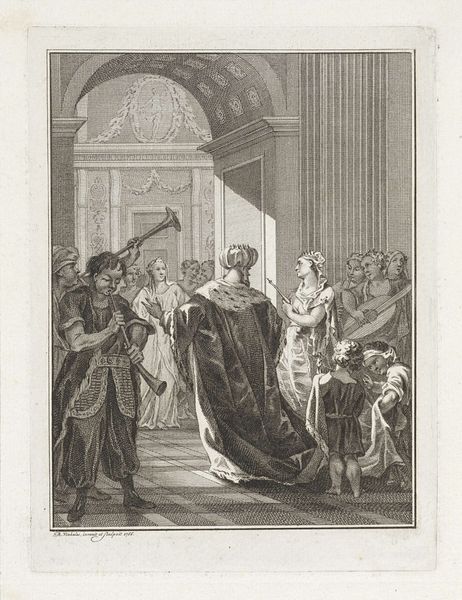
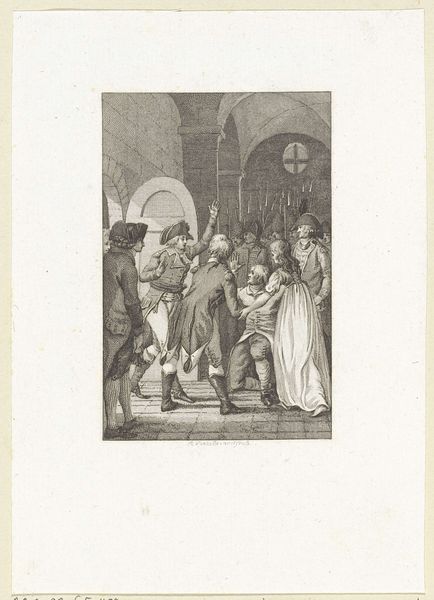
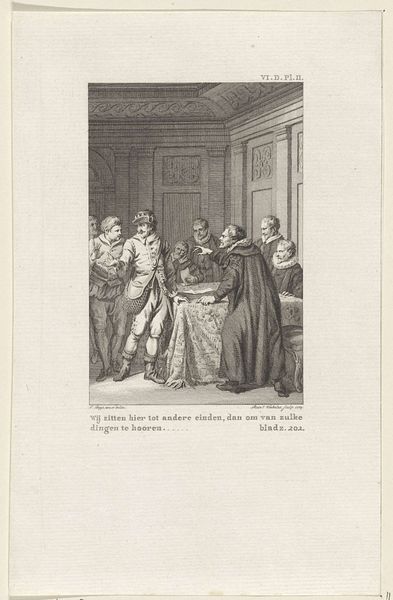
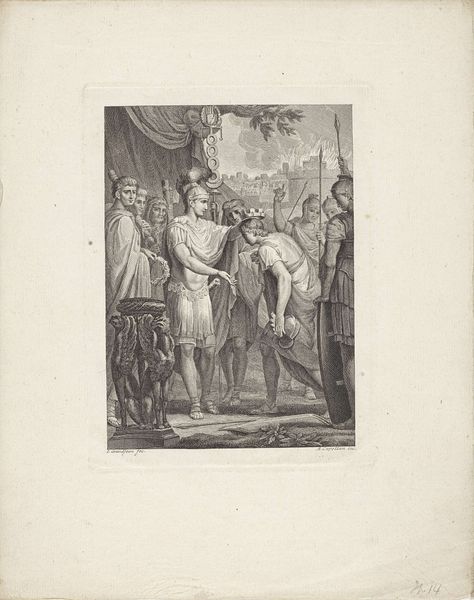
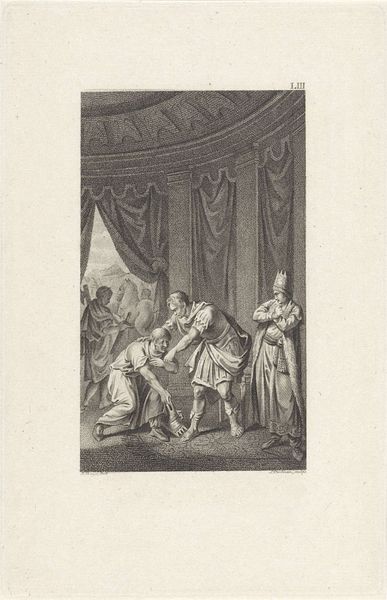
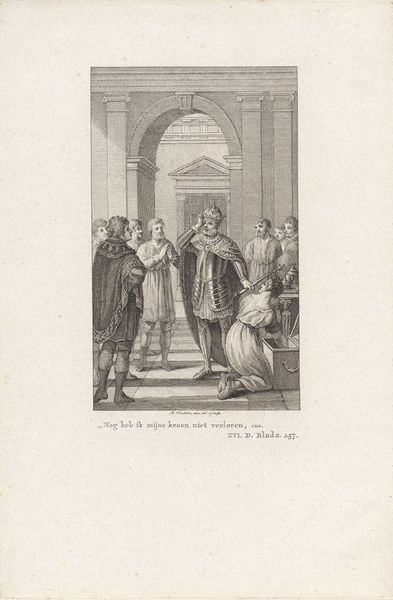
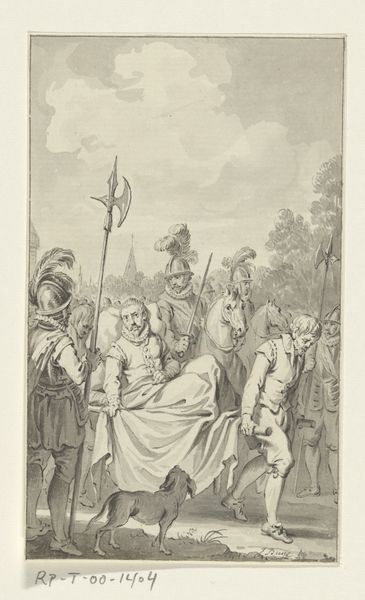
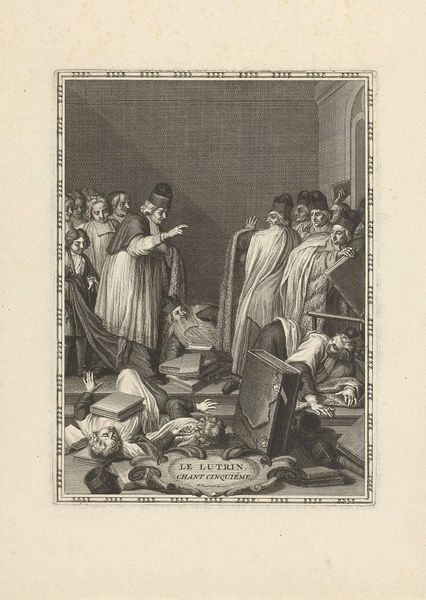
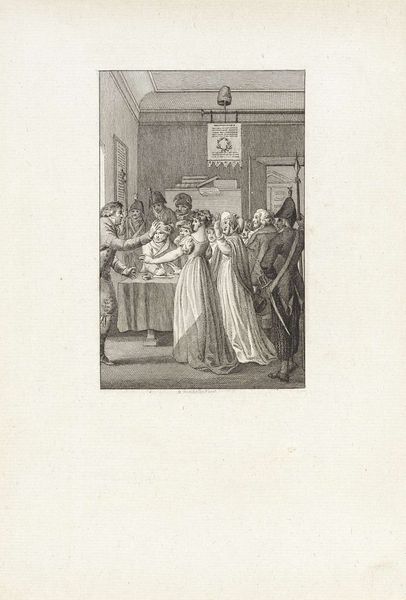
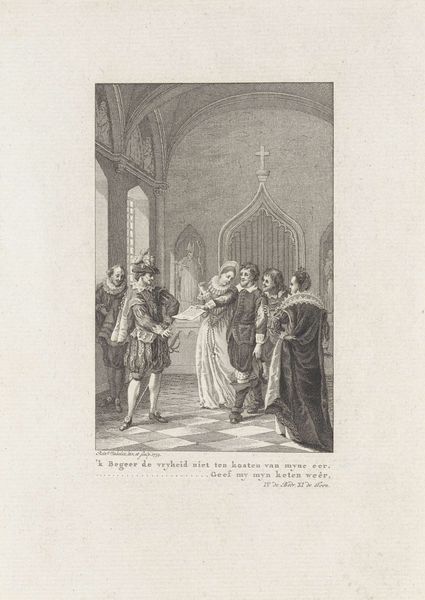
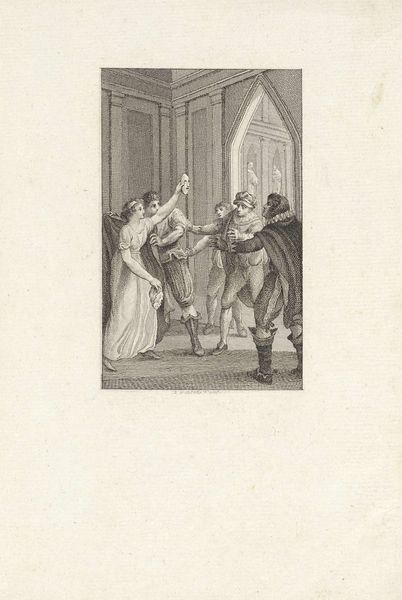
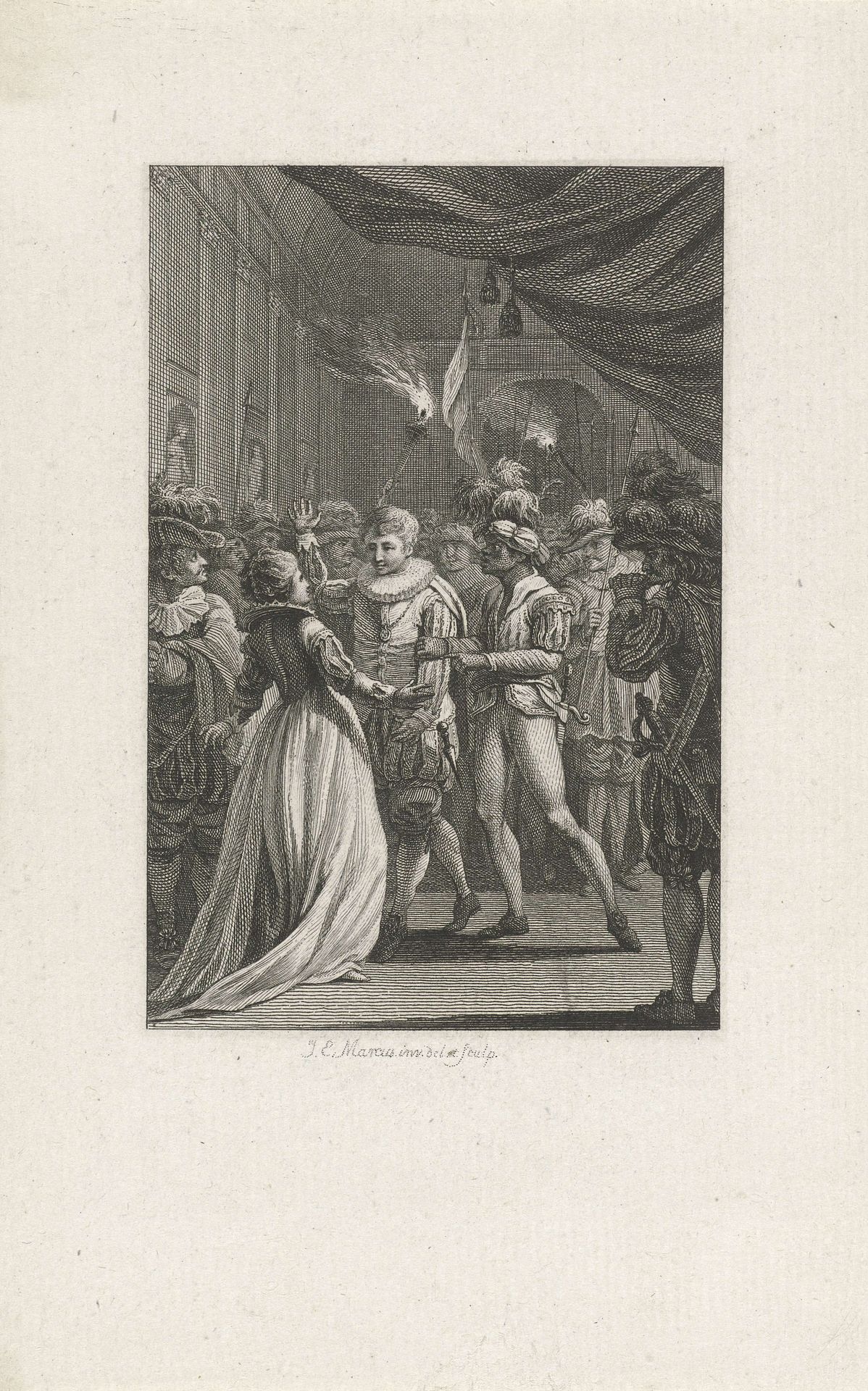
This print, made by Jacob Ernst Marcus in the Netherlands around the turn of the 19th century, shows a woman in a domestic interior, engaged in some kind of game or performance. The image presents a scene of social life, but it’s one shaped by theatricality. The costumes and setting evoke an earlier era, perhaps the Dutch Golden Age, but filtered through the lens of 18th-century Enlightenment sensibilities. We see the Dutch bourgeoisie engaging with their own history through costume, performance, and perhaps even ritual. The Rijksmuseum, where this print is housed, was itself founded in the early 19th century as a way of assembling a national artistic heritage. This print hints at the social dynamics that surrounded the very creation of that institution. By examining the print alongside the records of the artist, the museum, and the cultural context of the Netherlands at the time, we can better understand the social life of art.
Vrouw in een interieur bij een groot gezelschap 1784 - 1826

Jacob Ernst Marcus
1774 - 1826Location
RijksmuseumArtwork details
- Medium
- engraving
- Dimensions
- height 196 mm, width 125 mm
- Location
- Rijksmuseum
- Copyright
- Rijks Museum: Open Domain
Tags
neoclacissism
narrative-art
figuration
line
genre-painting
history-painting
engraving
Comments
No comments
About this artwork
This print, made by Jacob Ernst Marcus in the Netherlands around the turn of the 19th century, shows a woman in a domestic interior, engaged in some kind of game or performance. The image presents a scene of social life, but it’s one shaped by theatricality. The costumes and setting evoke an earlier era, perhaps the Dutch Golden Age, but filtered through the lens of 18th-century Enlightenment sensibilities. We see the Dutch bourgeoisie engaging with their own history through costume, performance, and perhaps even ritual. The Rijksmuseum, where this print is housed, was itself founded in the early 19th century as a way of assembling a national artistic heritage. This print hints at the social dynamics that surrounded the very creation of that institution. By examining the print alongside the records of the artist, the museum, and the cultural context of the Netherlands at the time, we can better understand the social life of art.
Comments
No comments