About this artwork
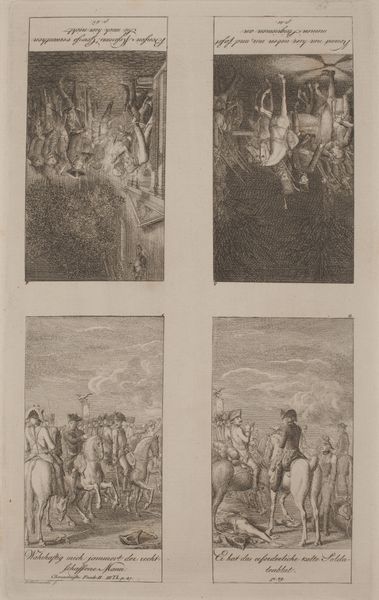
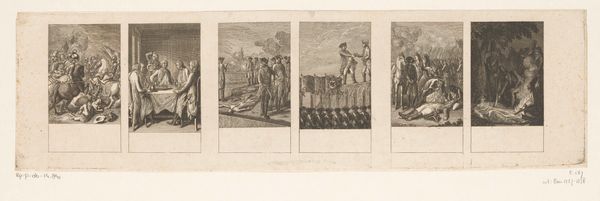
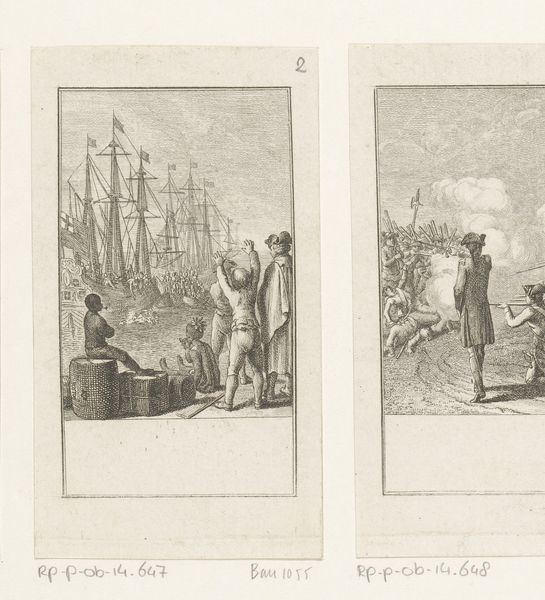
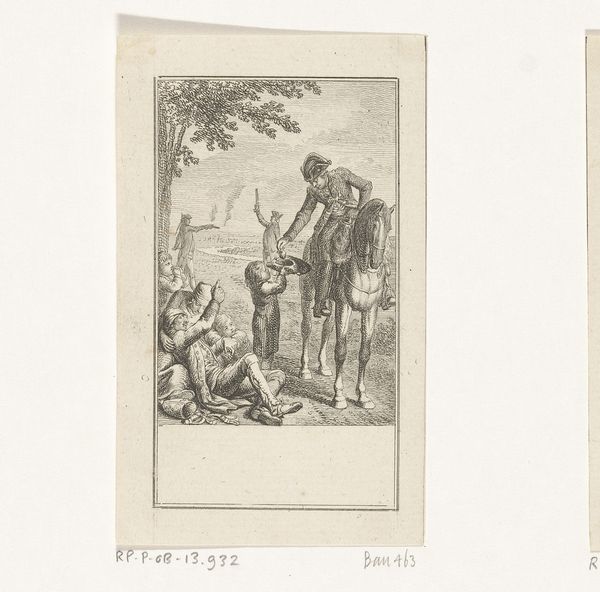
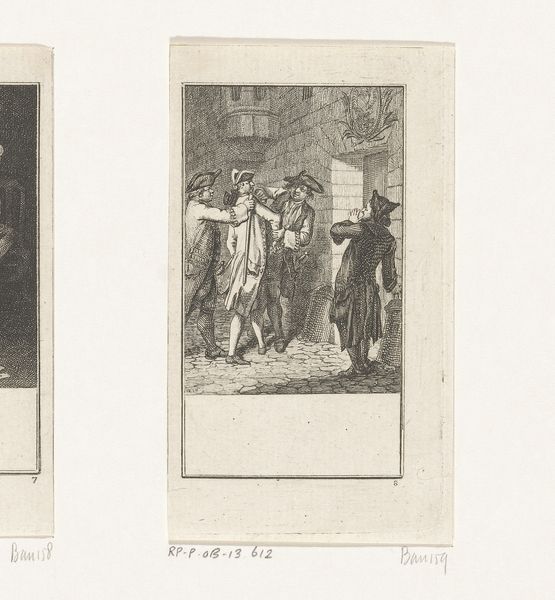
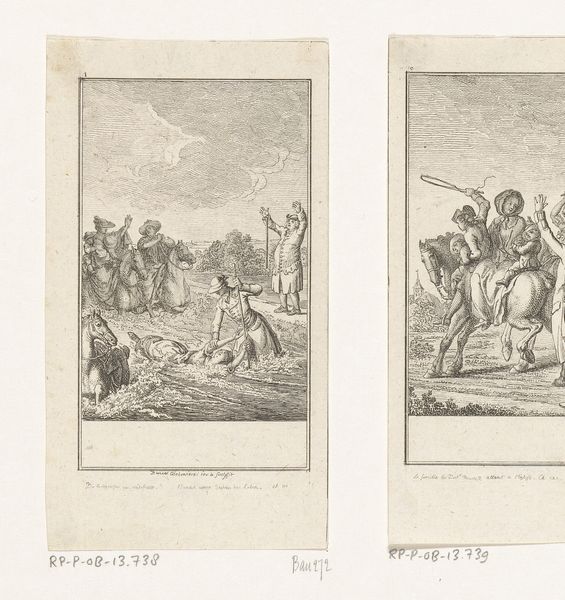
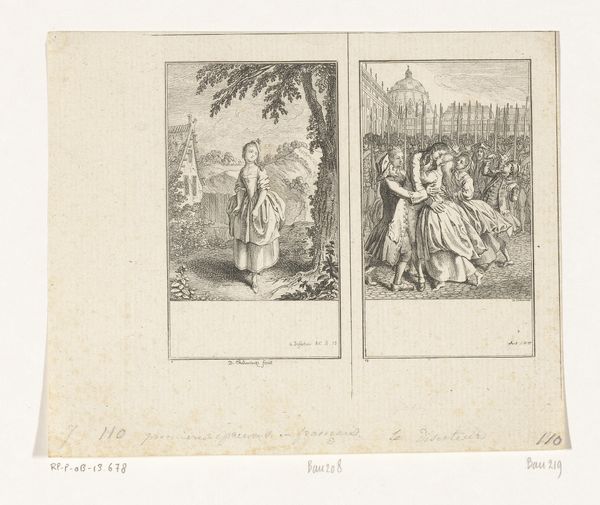
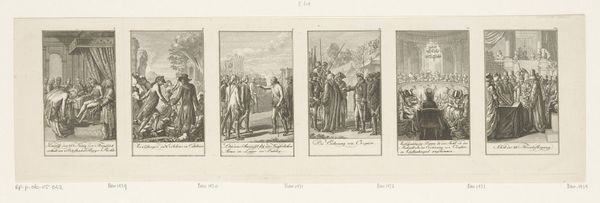
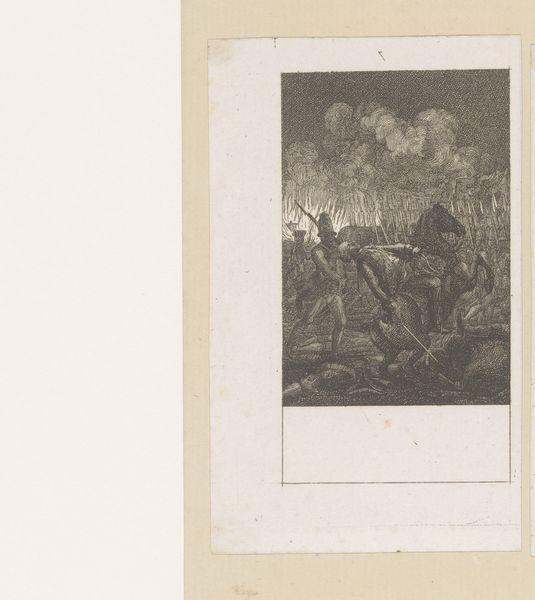
Daniel Nikolaus Chodowiecki created this print titled 'Slag bij Lexington, Massachusetts'. Born in Poland and later working in Berlin, Chodowiecki never actually witnessed the American Revolution. Instead, his visualization emerges from second-hand accounts, filtered through his own cultural and political context as a central European intellectual during the Enlightenment. The print depicts the skirmish at Lexington, often considered the start of the American Revolutionary War. Here, we see the artist attempting to capture a distant and complex event. The artist's rendering may lean into established European conventions for depicting conflict, rather than fully grasping the nuances of the American experience. As you consider the image, how might the artist’s geographical and cultural distance shape his representation of this pivotal moment in American history?
Slag bij Lexington, Massachusetts
1783

Daniel Nikolaus Chodowiecki
1726 - 1801Location
RijksmuseumArtwork details
- Medium
- print, etching, engraving
- Dimensions
- height 115 mm, width 65 mm
- Location
- Rijksmuseum
- Copyright
- Rijks Museum: Open Domain
Tags
neoclacissism
aged paper
narrative-art
etching
old engraving style
landscape
etching
figuration
line
history-painting
academic-art
engraving
realism
Comments
Be the first to share your thoughts about this work.
About this artwork
Daniel Nikolaus Chodowiecki created this print titled 'Slag bij Lexington, Massachusetts'. Born in Poland and later working in Berlin, Chodowiecki never actually witnessed the American Revolution. Instead, his visualization emerges from second-hand accounts, filtered through his own cultural and political context as a central European intellectual during the Enlightenment. The print depicts the skirmish at Lexington, often considered the start of the American Revolutionary War. Here, we see the artist attempting to capture a distant and complex event. The artist's rendering may lean into established European conventions for depicting conflict, rather than fully grasping the nuances of the American experience. As you consider the image, how might the artist’s geographical and cultural distance shape his representation of this pivotal moment in American history?
Comments
Be the first to share your thoughts about this work.