About this artwork
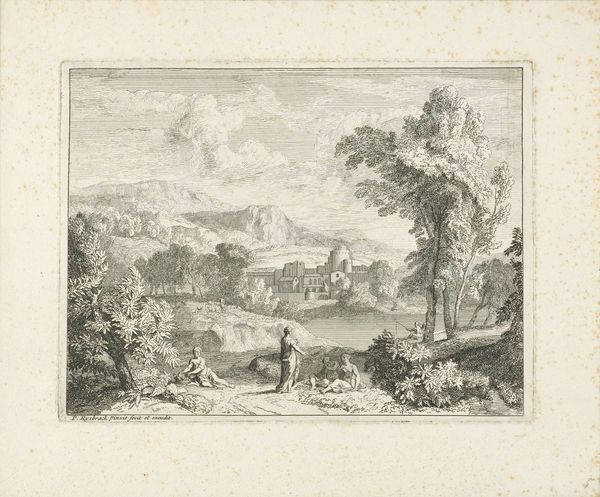
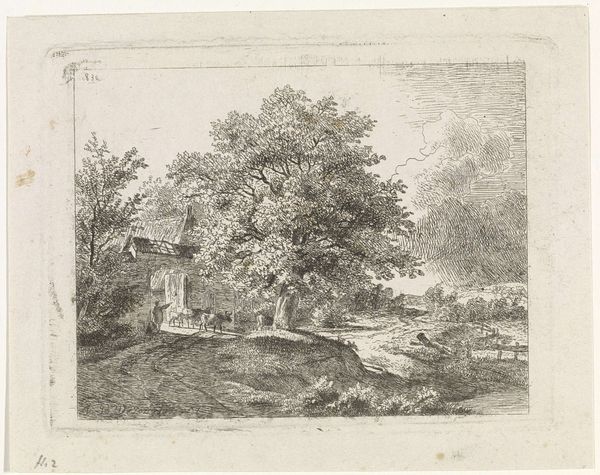
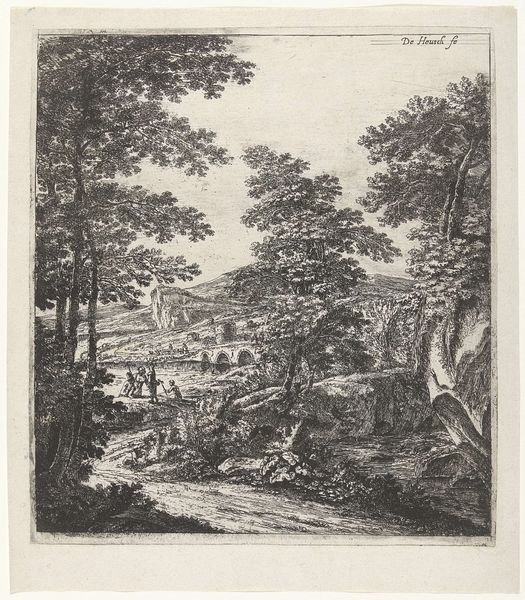
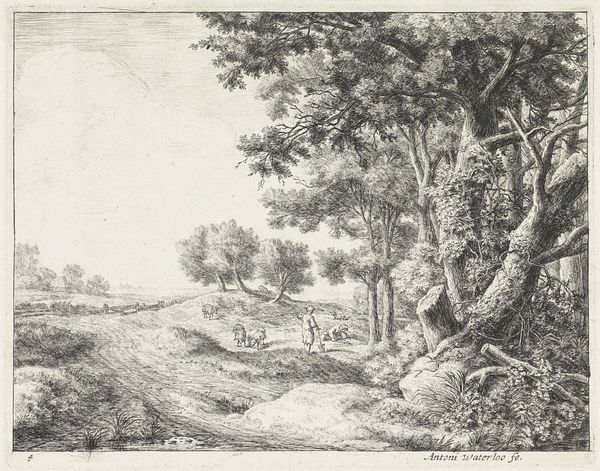
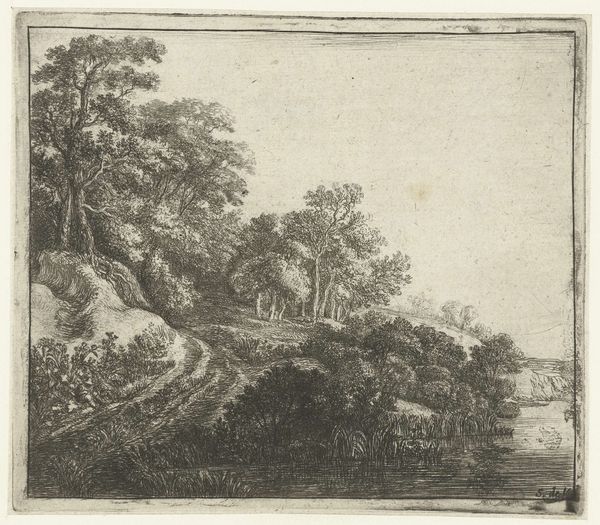
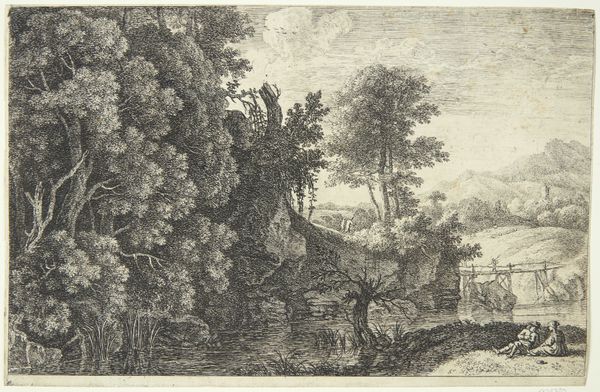
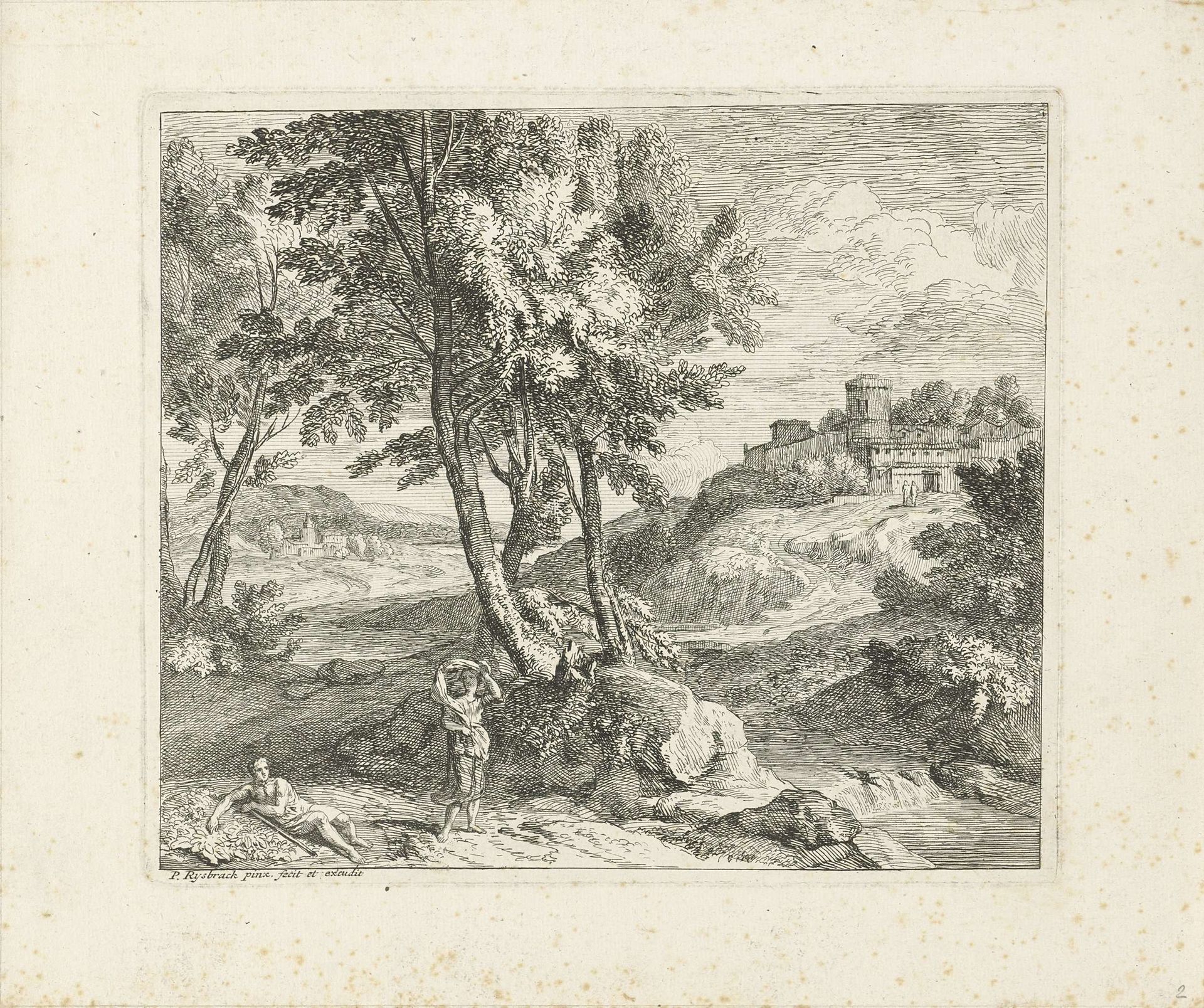
Pieter Rijsbraeck etched "Landscape with a Man and Woman" around the late 17th century, capturing a scene that evokes both pastoral tranquility and deeper symbolic echoes. The reclining male figure and the woman carrying what appears to be a garland resonate with classical motifs of leisure and abundance, reminiscent of Arcadian scenes celebrated in ancient art and literature. Consider, for instance, the garland—a symbol of festivity, honor, and the cyclical renewal of nature. This motif stretches back to ancient Greek and Roman art, where garlands adorned gods, heroes, and sacred spaces. The image speaks to our collective memory, tapping into a subconscious longing for a harmonious existence, and is an enduring symbol in art, literature, and even contemporary culture. It appears and reappears in many iterations, evolving with each cultural context.
Landschap met een man en een vrouw 1670 - 1729

Pieter Rijsbraeck
1655 - 1729Location
RijksmuseumArtwork details
- Medium
- drawing, print, engraving
- Dimensions
- height 184 mm, width 213 mm
- Location
- Rijksmuseum
- Copyright
- Rijks Museum: Open Domain
Tags
tree
drawing
baroque
old engraving style
landscape
river
engraving
Comments
No comments
About this artwork
Pieter Rijsbraeck etched "Landscape with a Man and Woman" around the late 17th century, capturing a scene that evokes both pastoral tranquility and deeper symbolic echoes. The reclining male figure and the woman carrying what appears to be a garland resonate with classical motifs of leisure and abundance, reminiscent of Arcadian scenes celebrated in ancient art and literature. Consider, for instance, the garland—a symbol of festivity, honor, and the cyclical renewal of nature. This motif stretches back to ancient Greek and Roman art, where garlands adorned gods, heroes, and sacred spaces. The image speaks to our collective memory, tapping into a subconscious longing for a harmonious existence, and is an enduring symbol in art, literature, and even contemporary culture. It appears and reappears in many iterations, evolving with each cultural context.
Comments
No comments