About this artwork
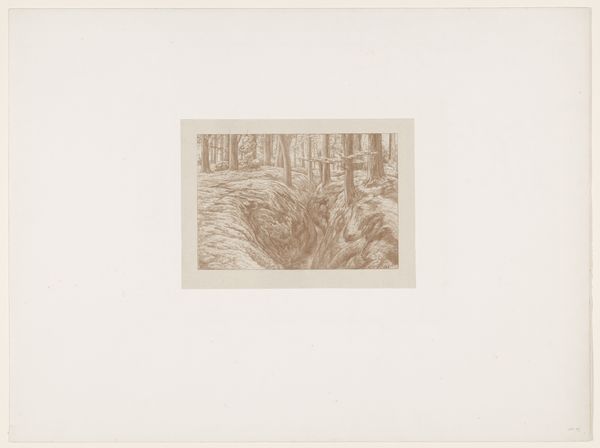
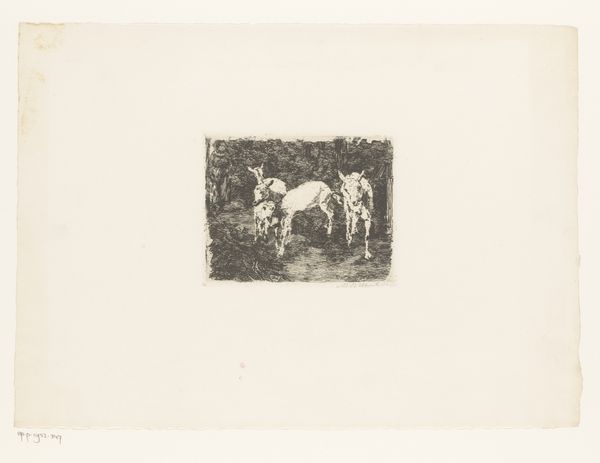
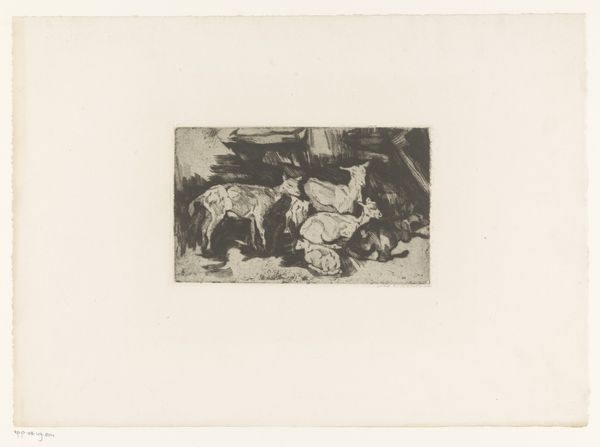
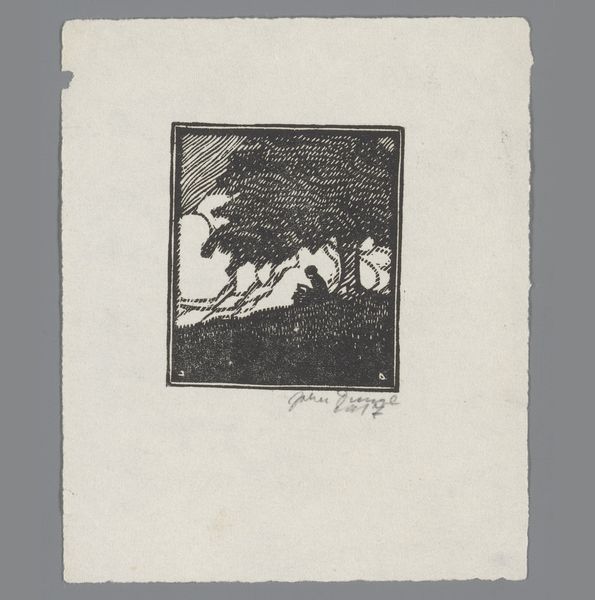
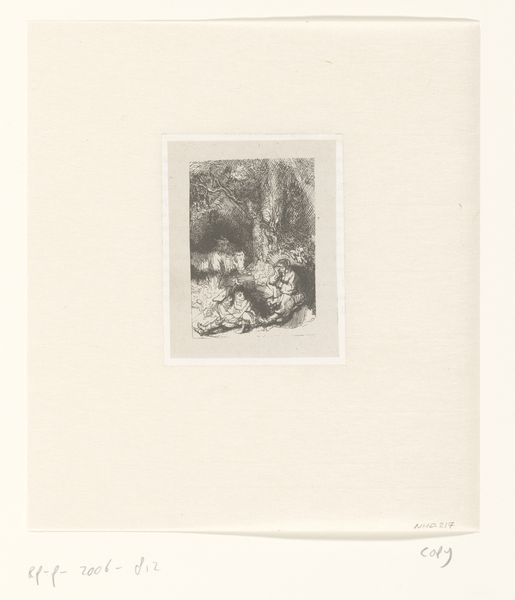
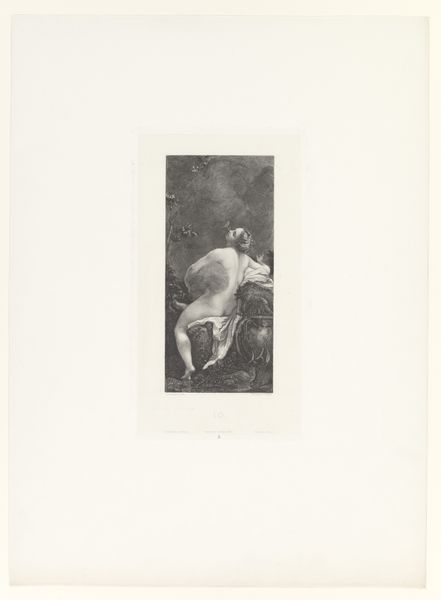
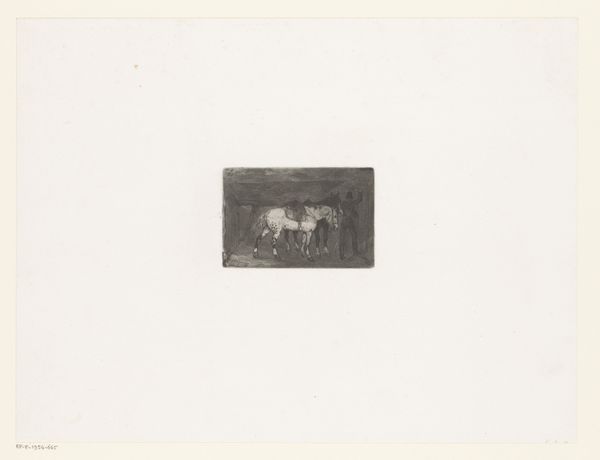
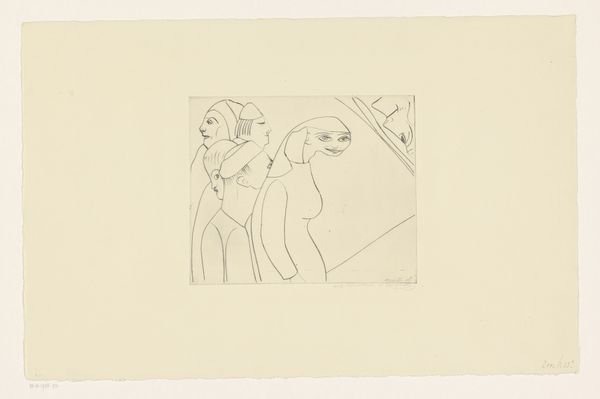
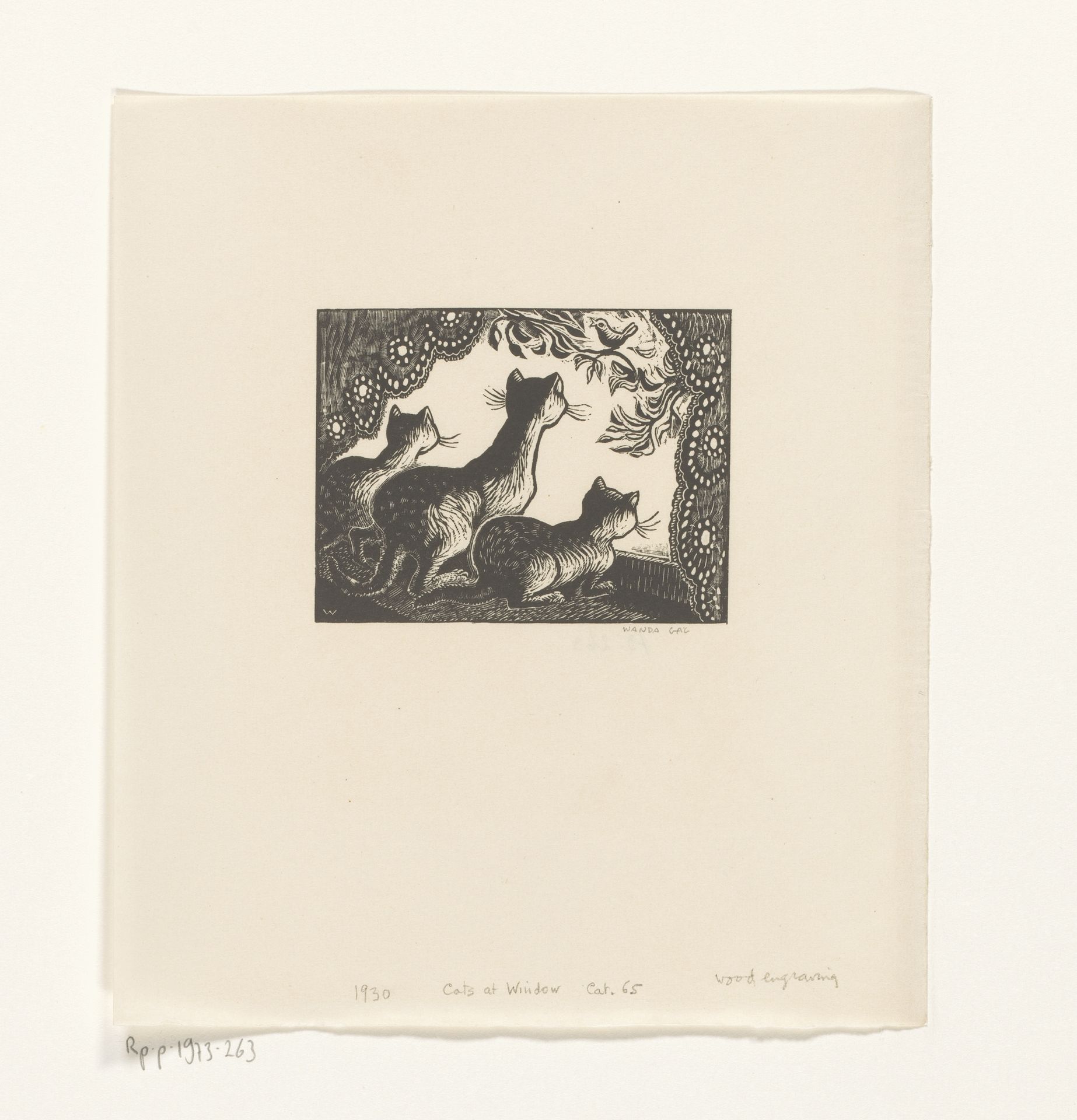
Wanda Gág created this wood engraving, "Three Cats in a Window Frame," in 1930. Gág was an American artist, illustrator, and author best known for her children's book "Millions of Cats". Her style combines elements of folk art, German Expressionism, and a sensitivity to the natural world. Made during the Great Depression, the image offers a glimpse into domestic life, evoking feelings of warmth, and perhaps even a touch of whimsy during an era of economic hardship. Notice the contrasting textures achieved through wood engraving: the cats' fur, the lace curtains, and the leaves of the tree. The composition draws the eye upwards toward the bird, creating a sense of anticipation. To understand Gág’s work, one might explore the history of American printmaking in the early 20th century, the rise of children's literature, and the social context of the Depression era. By considering these factors, we gain a richer appreciation for Gág’s contributions to American art and culture.

Artwork details
- Medium
- print, woodcut
- Dimensions
- height 217 mm, width 190 mm
- Location
- Rijksmuseum
- Copyright
- Rijks Museum: Open Domain
Tags
animal
landscape
figuration
woodcut
Comments
Be the first to share your thoughts about this work.
About this artwork
Wanda Gág created this wood engraving, "Three Cats in a Window Frame," in 1930. Gág was an American artist, illustrator, and author best known for her children's book "Millions of Cats". Her style combines elements of folk art, German Expressionism, and a sensitivity to the natural world. Made during the Great Depression, the image offers a glimpse into domestic life, evoking feelings of warmth, and perhaps even a touch of whimsy during an era of economic hardship. Notice the contrasting textures achieved through wood engraving: the cats' fur, the lace curtains, and the leaves of the tree. The composition draws the eye upwards toward the bird, creating a sense of anticipation. To understand Gág’s work, one might explore the history of American printmaking in the early 20th century, the rise of children's literature, and the social context of the Depression era. By considering these factors, we gain a richer appreciation for Gág’s contributions to American art and culture.
Comments
Be the first to share your thoughts about this work.