About this artwork
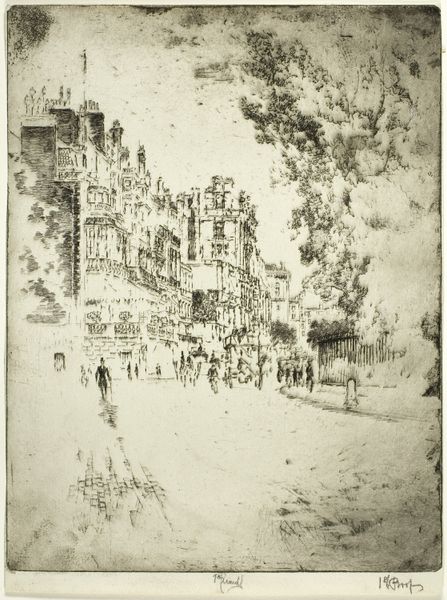
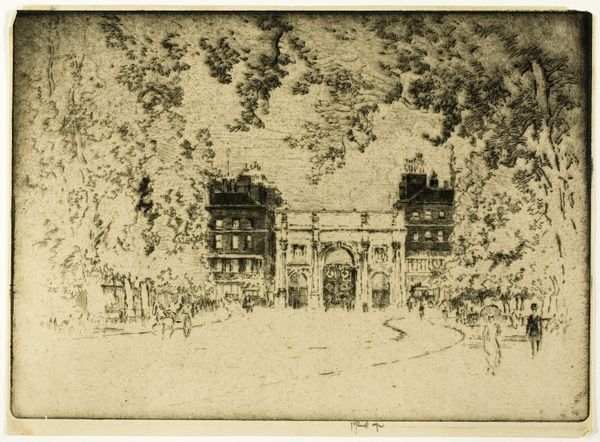
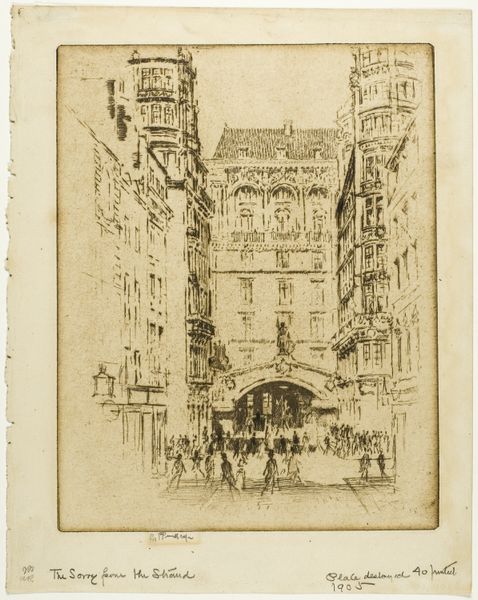
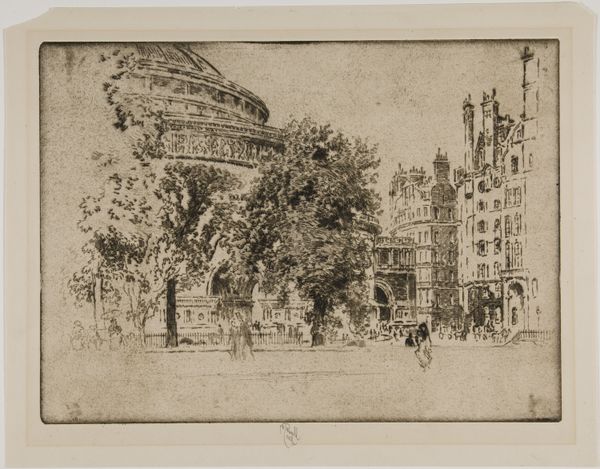
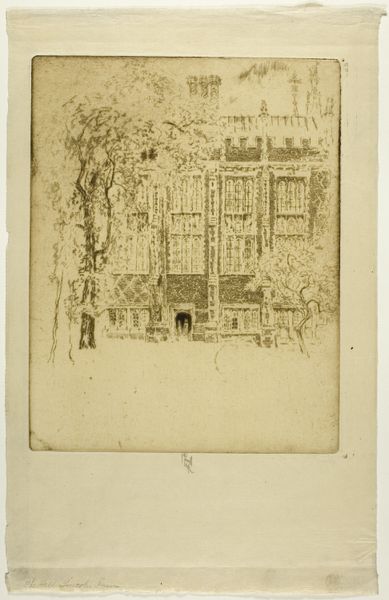
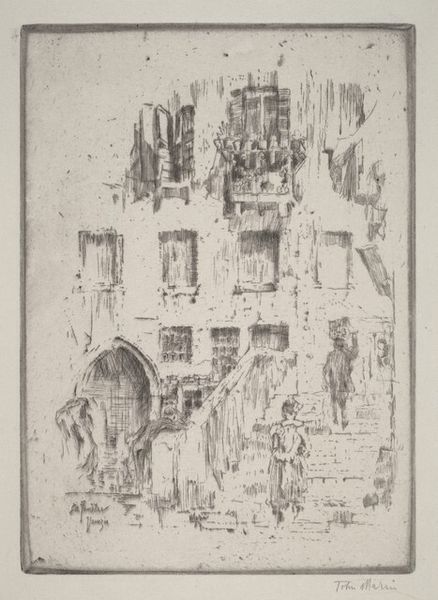
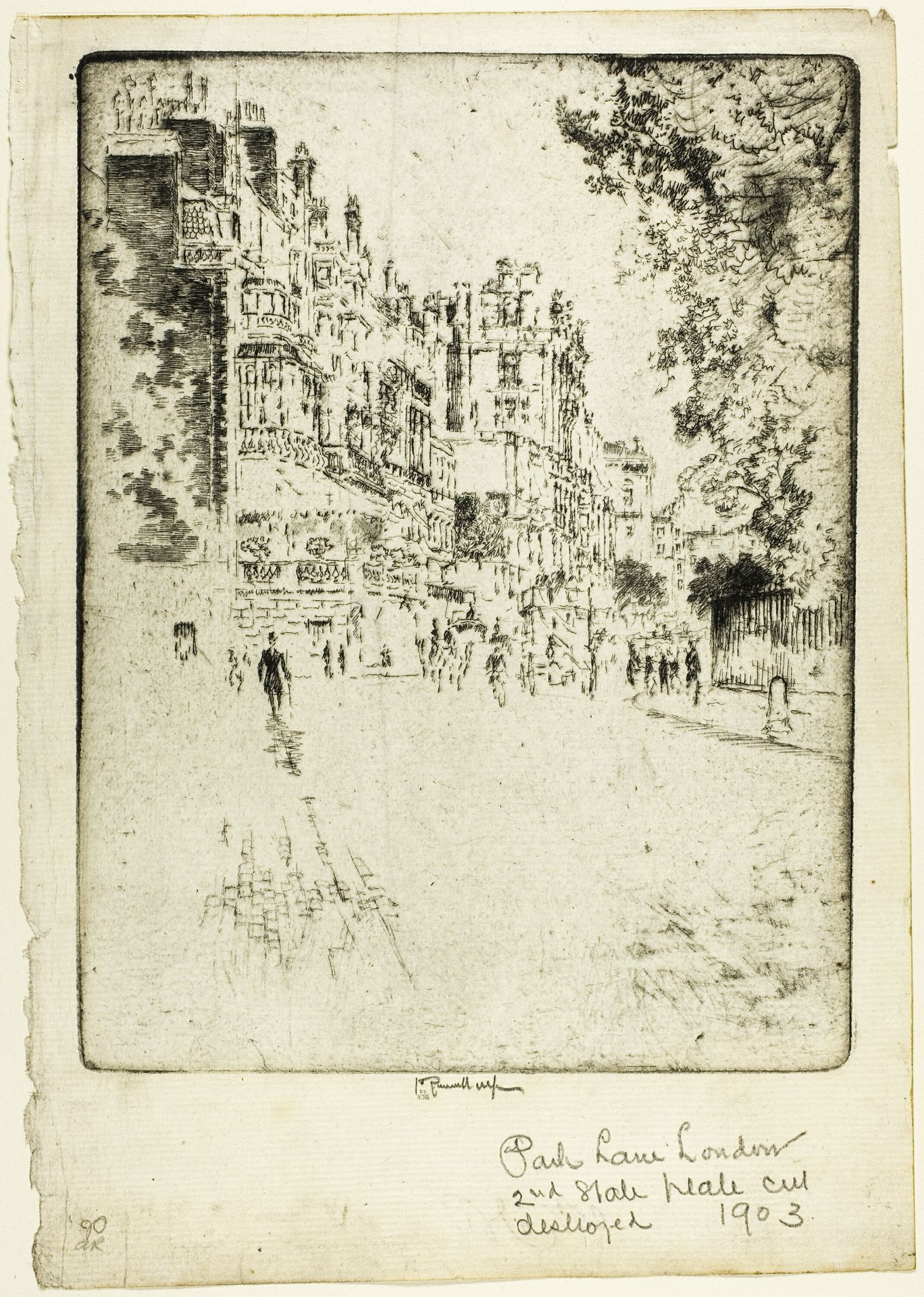
Joseph Pennell etched 'Park Lane' in London, using a plate, sometime before 1903, since that’s when he destroyed it. There's this incredible layering of marks, a whole symphony of tiny scribbles, that build up the buildings and the figures. It's a bit like Seurat, but instead of dots, we get all these short, nervous lines. The line, for Pennell, isn’t just about describing things; it’s a way of feeling them out, of capturing the pulse of the city. Look closely at the figures in the street. They are barely there, just suggestions, but their presence animates the whole scene. This is not a static view, but a moment caught in time. You can almost hear the rumble of the carriages and the chatter of the crowd. It’s like he’s saying, ‘Hey, art is always a conversation, a back-and-forth, a process.'
Park Lane
1904


Artwork details
- Dimensions
- 233 × 179 mm (image); 291 × 203 mm (sheet)
- Location
- The Art Institute of Chicago
- Copyright
- Public Domain
Comments
Share your thoughts
About this artwork
Joseph Pennell etched 'Park Lane' in London, using a plate, sometime before 1903, since that’s when he destroyed it. There's this incredible layering of marks, a whole symphony of tiny scribbles, that build up the buildings and the figures. It's a bit like Seurat, but instead of dots, we get all these short, nervous lines. The line, for Pennell, isn’t just about describing things; it’s a way of feeling them out, of capturing the pulse of the city. Look closely at the figures in the street. They are barely there, just suggestions, but their presence animates the whole scene. This is not a static view, but a moment caught in time. You can almost hear the rumble of the carriages and the chatter of the crowd. It’s like he’s saying, ‘Hey, art is always a conversation, a back-and-forth, a process.'
Comments
Share your thoughts