About this artwork
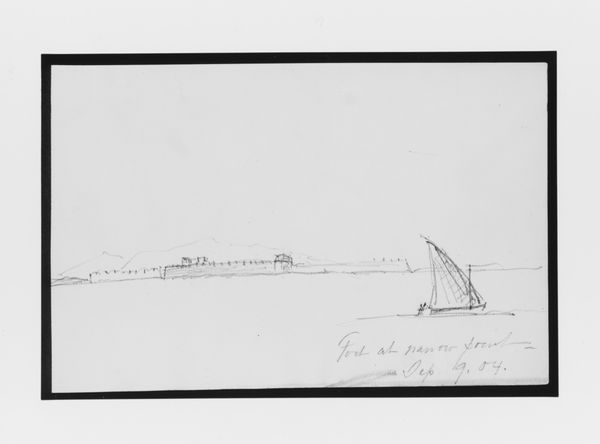
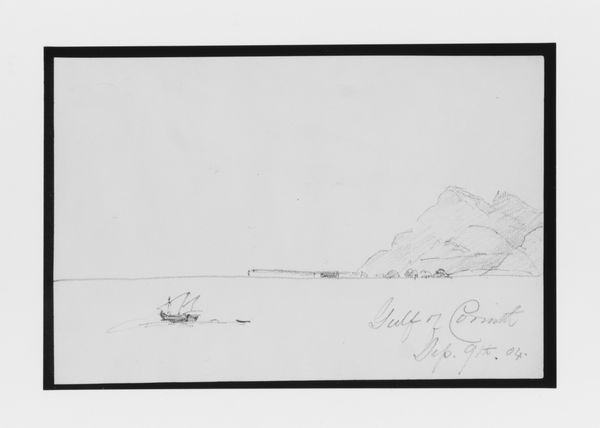
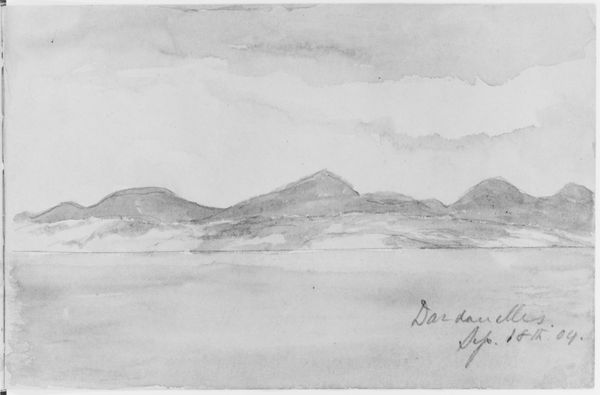
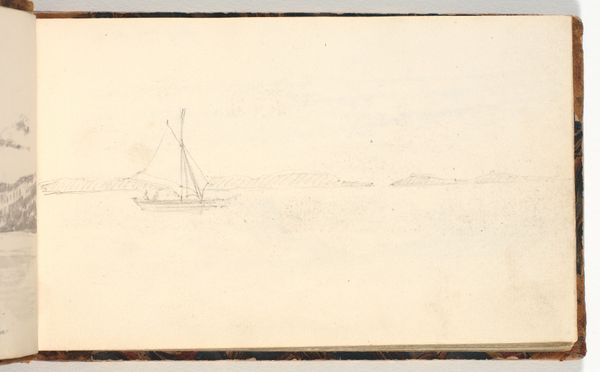
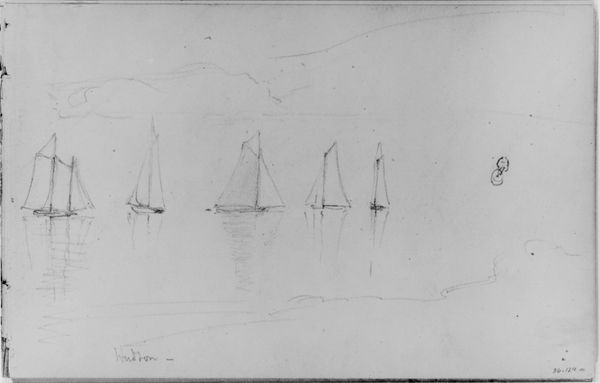
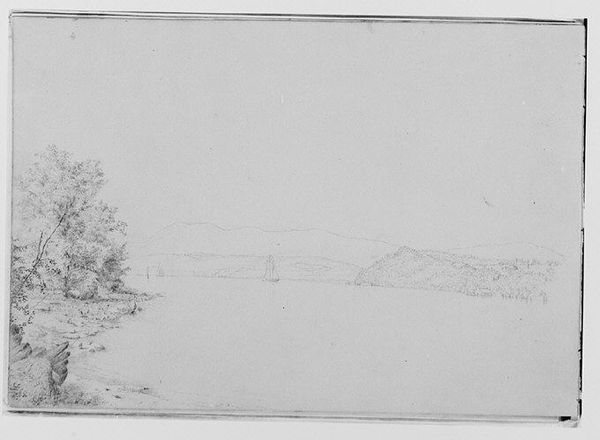
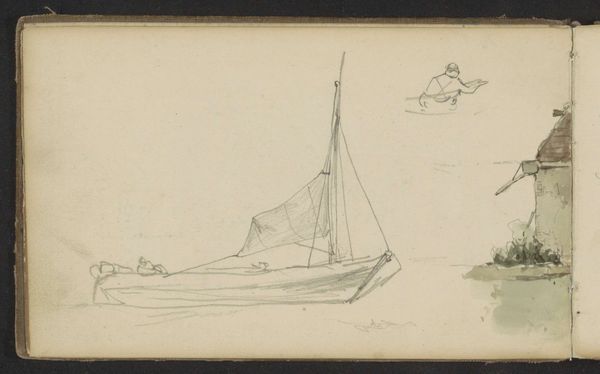
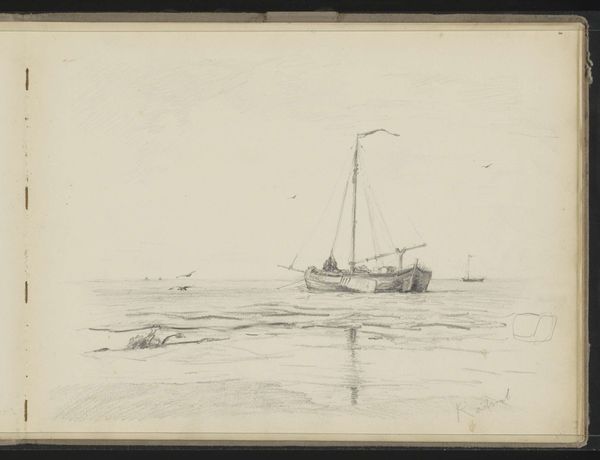
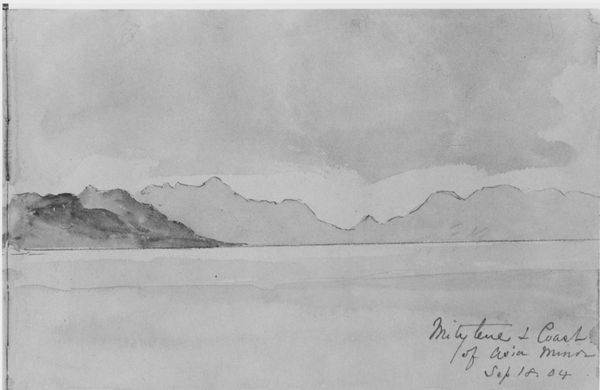
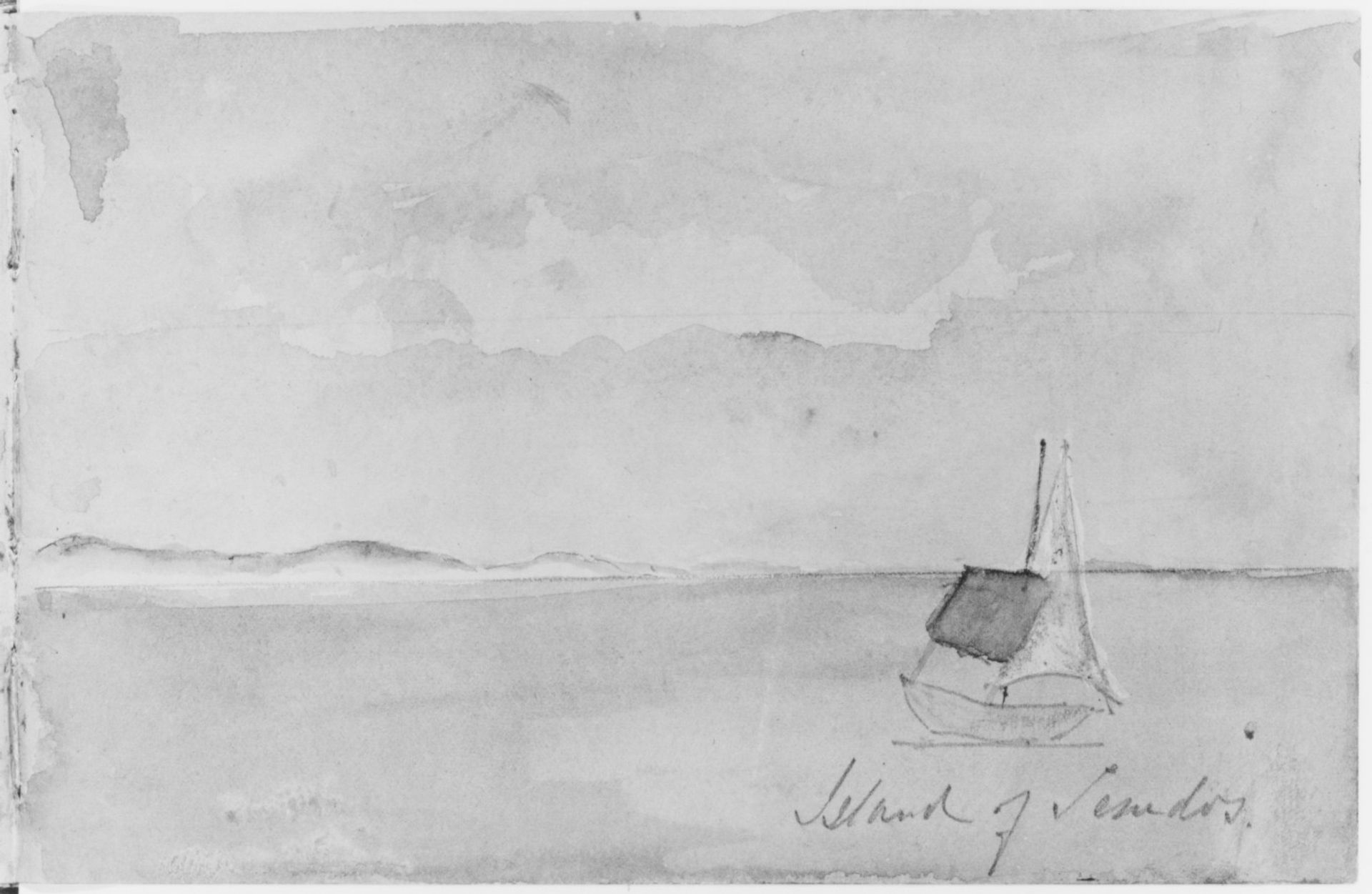
Mary Newbold Sargent made this watercolour sketch of an island, possibly in the Mediterranean, sometime in the 19th century. There's a dreaminess to the wash, how the colours blend into each other like a memory fading at the edges. I’m drawn to the way the boat sits so lightly on the water, lines so soft they barely define the shape. The whole piece is a masterclass in understatement. It’s not about precise details, it’s about capturing a feeling, a fleeting moment. I notice the way the sky seems to bleed into the sea, there’s no hard line, just a gentle merging. Look at how she’s used the paper itself as a kind of light, allowing it to shine through the thin washes of grey and blue. This reminds me of the work of someone like James Whistler, both artists evoke a sense of mood and atmosphere through subtle tonal variations. It’s a reminder that art isn’t always about grand statements; sometimes, it’s the quiet observations that speak the loudest.
Island of Temdos (?) (from Sketchbook)
1904

Mary Newbold Sargent
1826 - 1906
The Metropolitan Museum of Art
Metropolitan Museum of Art, New York, NYArtwork details
- Dimensions
- 5 1/4 x 8 1/4 in. (13.3 x 21 cm)
- Location
- Metropolitan Museum of Art, New York, NY
- Copyright
- Public Domain
Comments
Share your thoughts
About this artwork
Mary Newbold Sargent made this watercolour sketch of an island, possibly in the Mediterranean, sometime in the 19th century. There's a dreaminess to the wash, how the colours blend into each other like a memory fading at the edges. I’m drawn to the way the boat sits so lightly on the water, lines so soft they barely define the shape. The whole piece is a masterclass in understatement. It’s not about precise details, it’s about capturing a feeling, a fleeting moment. I notice the way the sky seems to bleed into the sea, there’s no hard line, just a gentle merging. Look at how she’s used the paper itself as a kind of light, allowing it to shine through the thin washes of grey and blue. This reminds me of the work of someone like James Whistler, both artists evoke a sense of mood and atmosphere through subtle tonal variations. It’s a reminder that art isn’t always about grand statements; sometimes, it’s the quiet observations that speak the loudest.
Comments
Share your thoughts