About this artwork
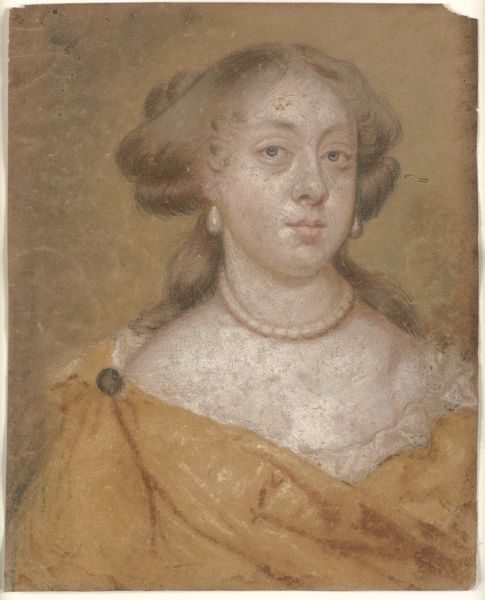
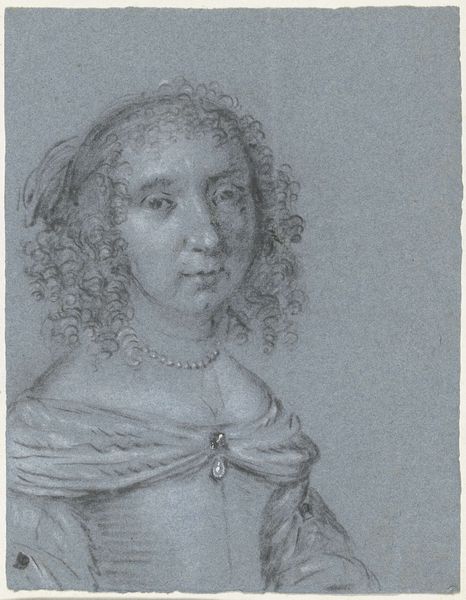
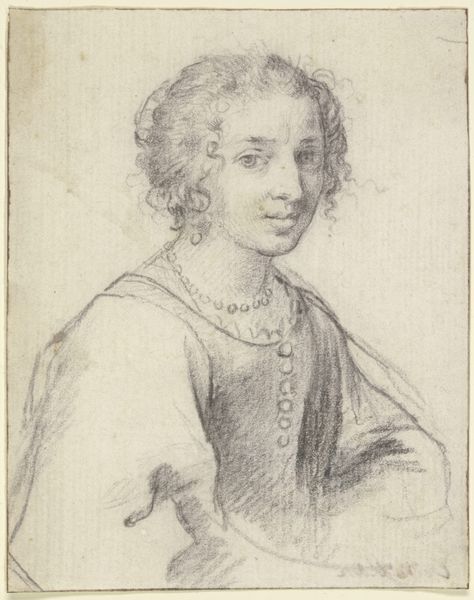
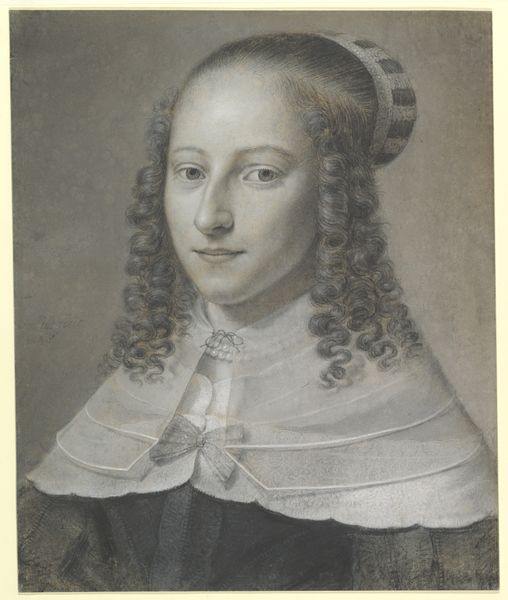
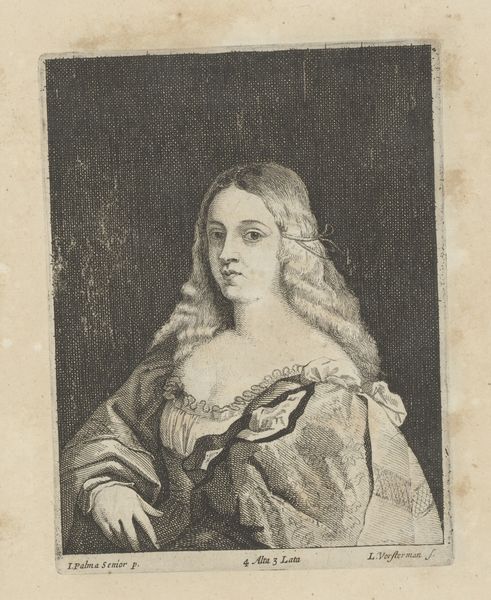
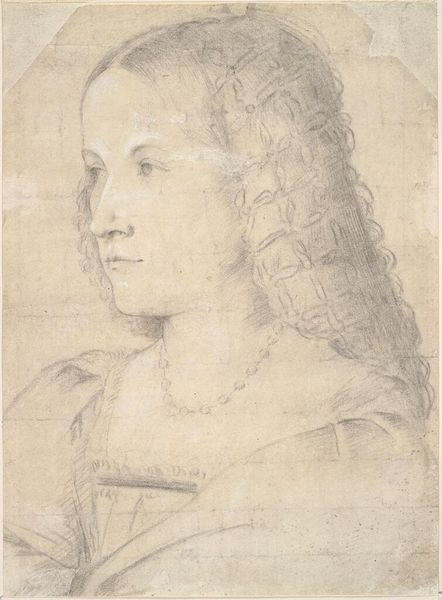
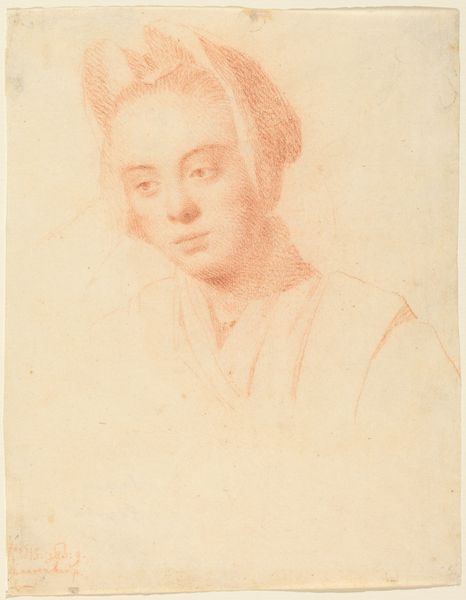
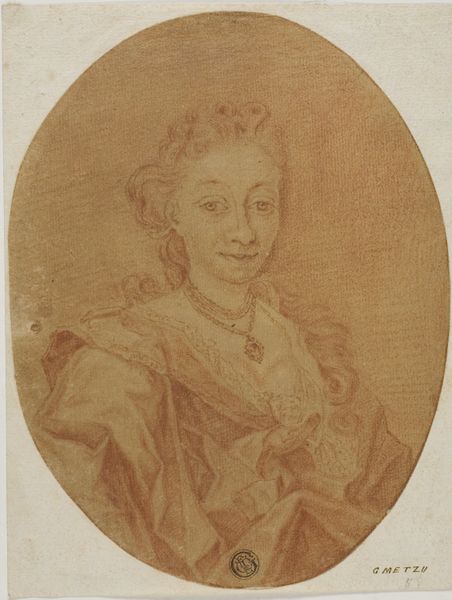
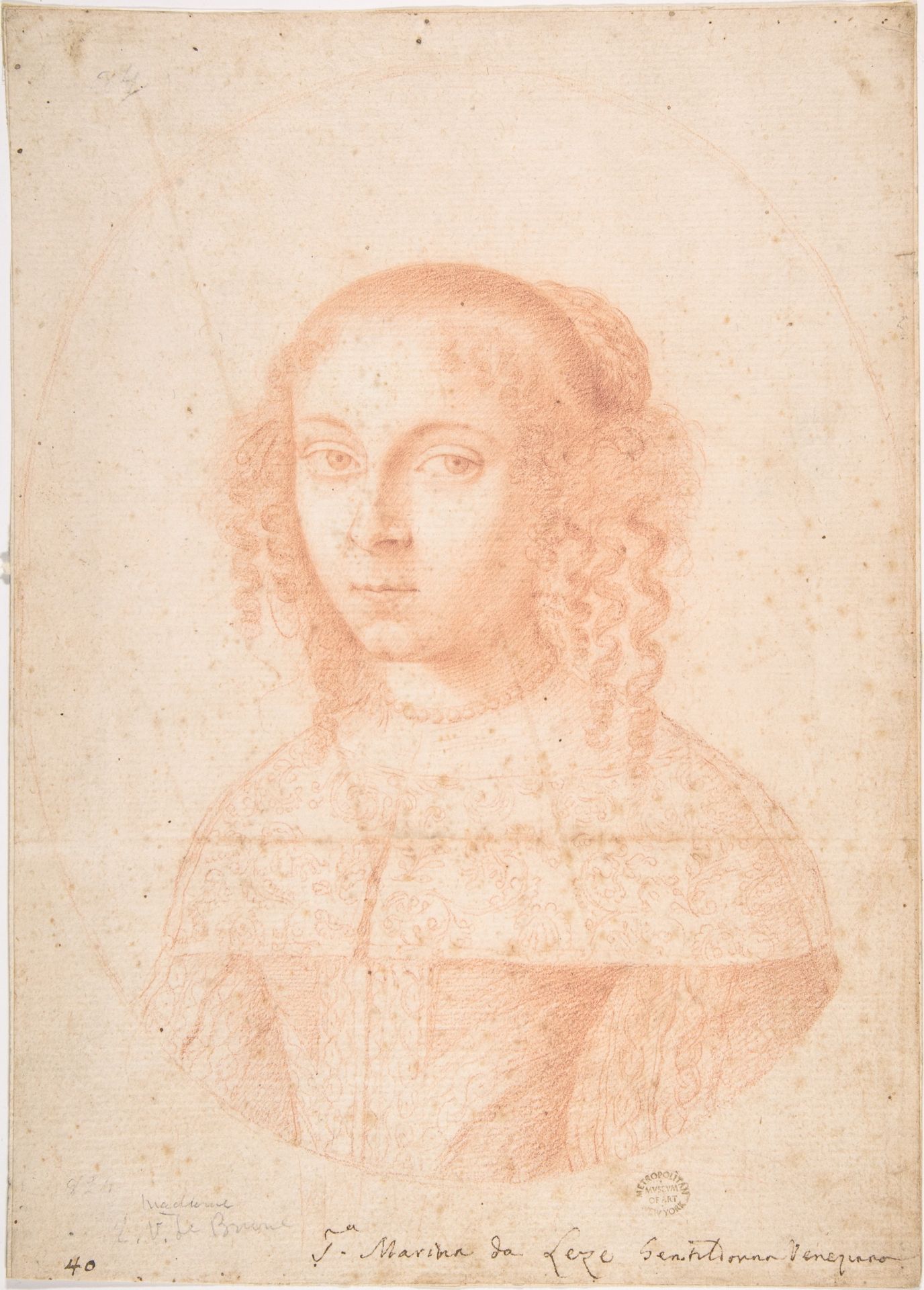
This red chalk drawing of a woman, whose artist is unknown, offers us a glimpse into the world of Renaissance portraiture, likely originating from 16th-century Venice. The drawing is more than just a likeness; it's a carefully constructed image reflecting the sitter's social status. The delicate rendering of her features, the intricate lace of her collar, and her elegant hairstyle all speak to a life of privilege and refinement. Venetian society was highly stratified, and portraiture served as a tool for the elite to assert their position and project an image of wealth and power. The drawing may have been produced as part of the workshop practice, in which studios, such as the one of Titian, employed many artists. By studying costume, social history, and artistic practices of the time, we can begin to understand the complex interplay of art, identity, and power in Renaissance Venice. Such investigations remind us that art is never created in a vacuum, but is always shaped by the social and institutional context in which it emerges.
Portrait of a Woman 1600 - 1700


Artwork details
- Medium
- drawing, pencil
- Dimensions
- 10-5/8 x 7-11/16 in. (27 x 19.5 cm)
- Location
- Metropolitan Museum of Art, New York, NY
- Copyright
- Public Domain
Tags
portrait
drawing
figuration
pencil drawing
pencil
italian-renaissance
Comments
No comments
About this artwork
This red chalk drawing of a woman, whose artist is unknown, offers us a glimpse into the world of Renaissance portraiture, likely originating from 16th-century Venice. The drawing is more than just a likeness; it's a carefully constructed image reflecting the sitter's social status. The delicate rendering of her features, the intricate lace of her collar, and her elegant hairstyle all speak to a life of privilege and refinement. Venetian society was highly stratified, and portraiture served as a tool for the elite to assert their position and project an image of wealth and power. The drawing may have been produced as part of the workshop practice, in which studios, such as the one of Titian, employed many artists. By studying costume, social history, and artistic practices of the time, we can begin to understand the complex interplay of art, identity, and power in Renaissance Venice. Such investigations remind us that art is never created in a vacuum, but is always shaped by the social and institutional context in which it emerges.
Comments
No comments