About this artwork
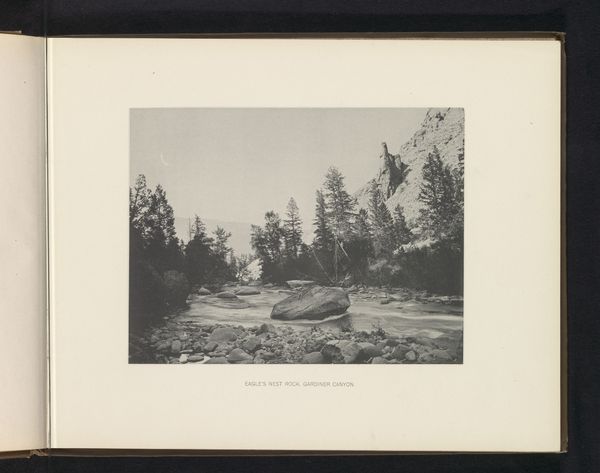
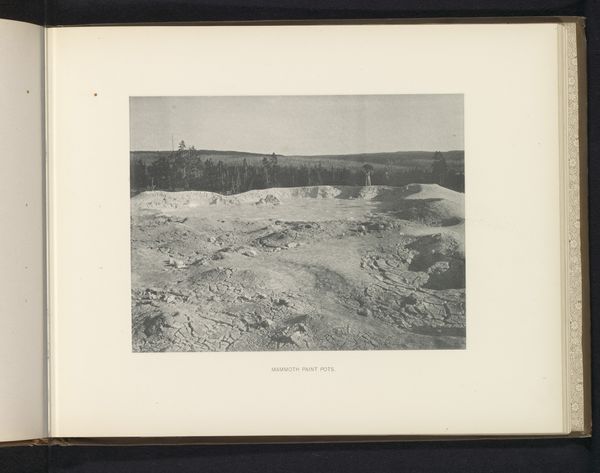
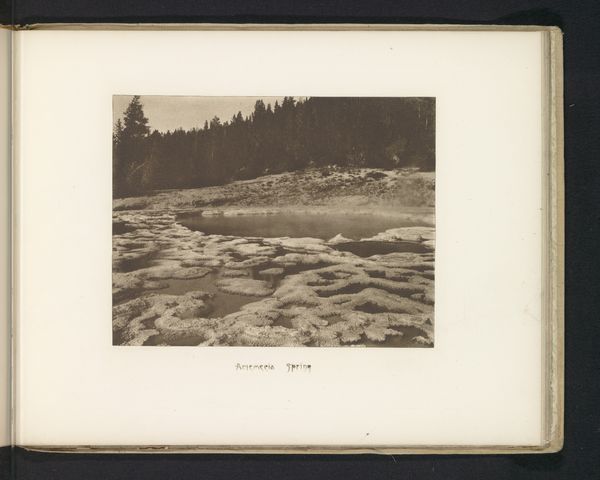
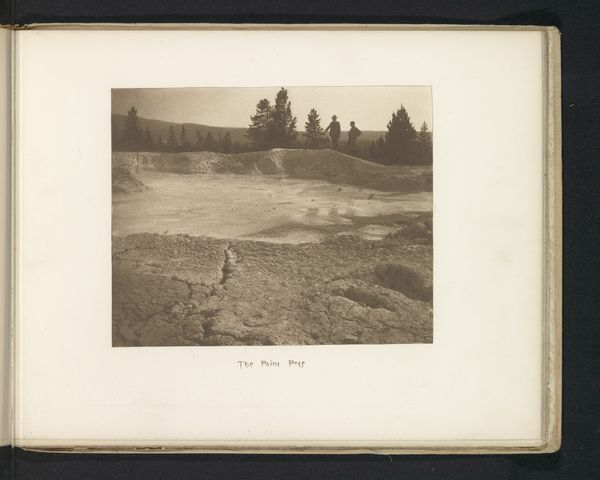
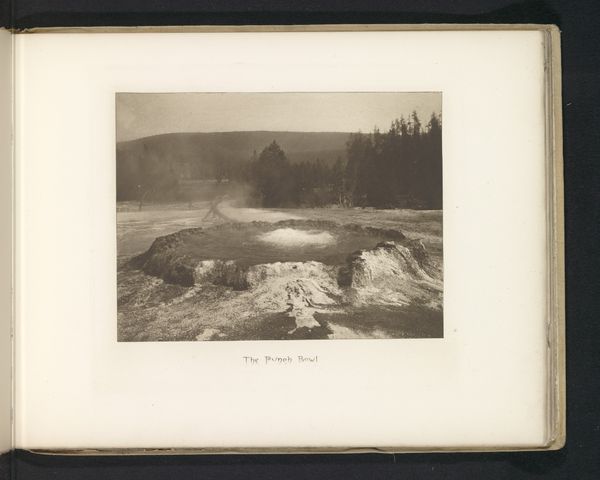
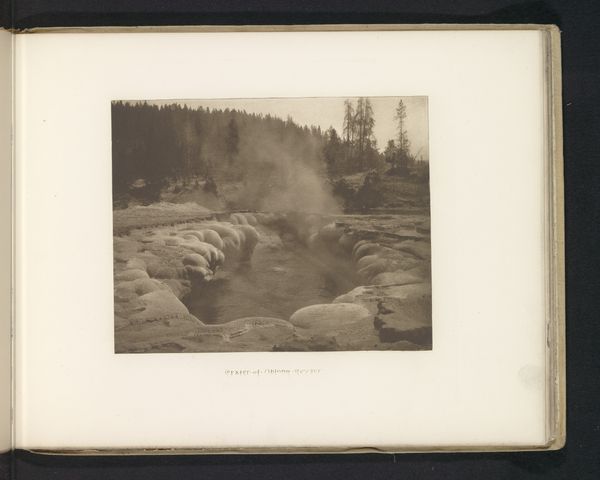
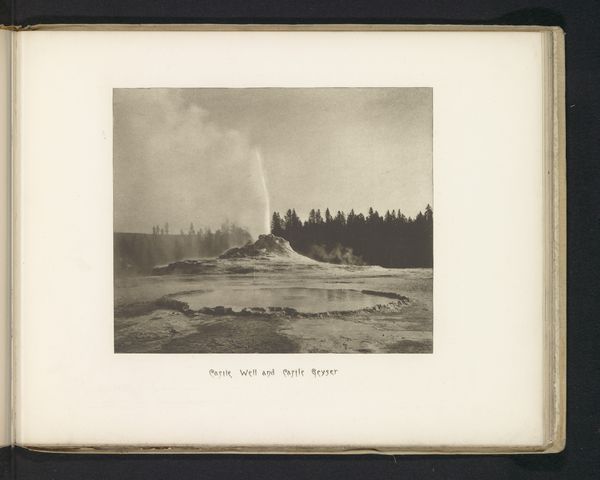
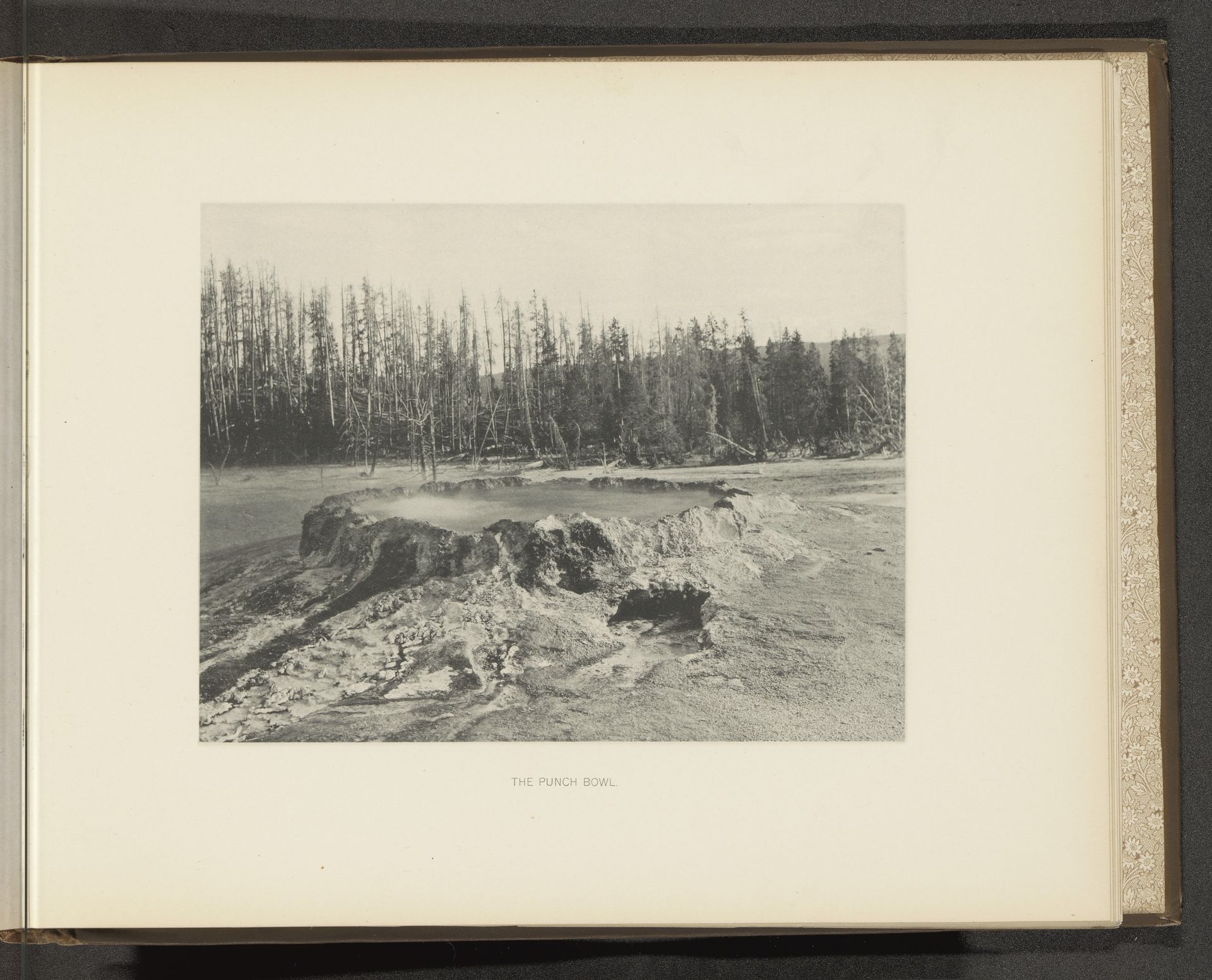
Frank Jay Haynes captured this photograph of Punch Bowl at Yellowstone National Park. Haynes's photography played a crucial role in shaping public perceptions and promoting tourism in the American West during the late 19th and early 20th centuries. Haynes operated within a complex intersection of commercial enterprise, artistic expression, and institutional support. His images contributed to the romanticized vision of the West, influencing policy decisions related to land use, conservation, and tourism. The Yellowstone National Park was established in 1872. Haynes was appointed as the official photographer of the park by the Northern Pacific Railroad, which sought to promote tourism to the region. To understand Haynes’s work, we have to use archival materials, business records, and institutional histories. By examining these resources, we can gain a deeper appreciation of how art is always contingent on social and institutional context.

Artwork details
- Medium
- photography, gelatin-silver-print
- Dimensions
- height 165 mm, width 215 mm
- Copyright
- Rijks Museum: Open Domain
Tags
Comments
Share your thoughts
About this artwork
Frank Jay Haynes captured this photograph of Punch Bowl at Yellowstone National Park. Haynes's photography played a crucial role in shaping public perceptions and promoting tourism in the American West during the late 19th and early 20th centuries. Haynes operated within a complex intersection of commercial enterprise, artistic expression, and institutional support. His images contributed to the romanticized vision of the West, influencing policy decisions related to land use, conservation, and tourism. The Yellowstone National Park was established in 1872. Haynes was appointed as the official photographer of the park by the Northern Pacific Railroad, which sought to promote tourism to the region. To understand Haynes’s work, we have to use archival materials, business records, and institutional histories. By examining these resources, we can gain a deeper appreciation of how art is always contingent on social and institutional context.
Comments
Share your thoughts