1940
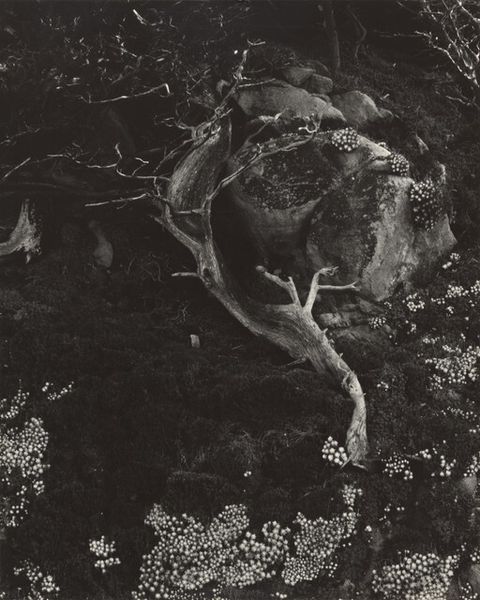
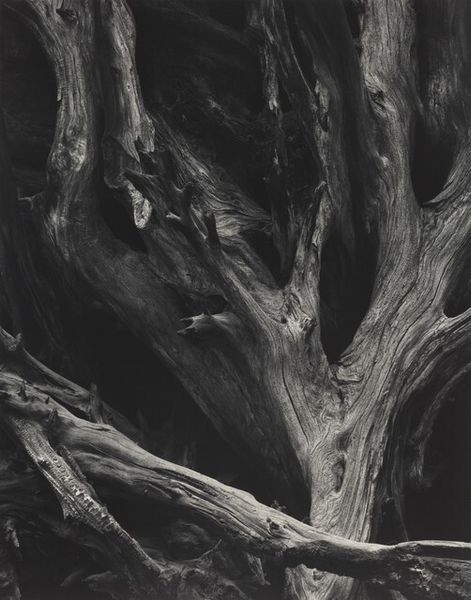
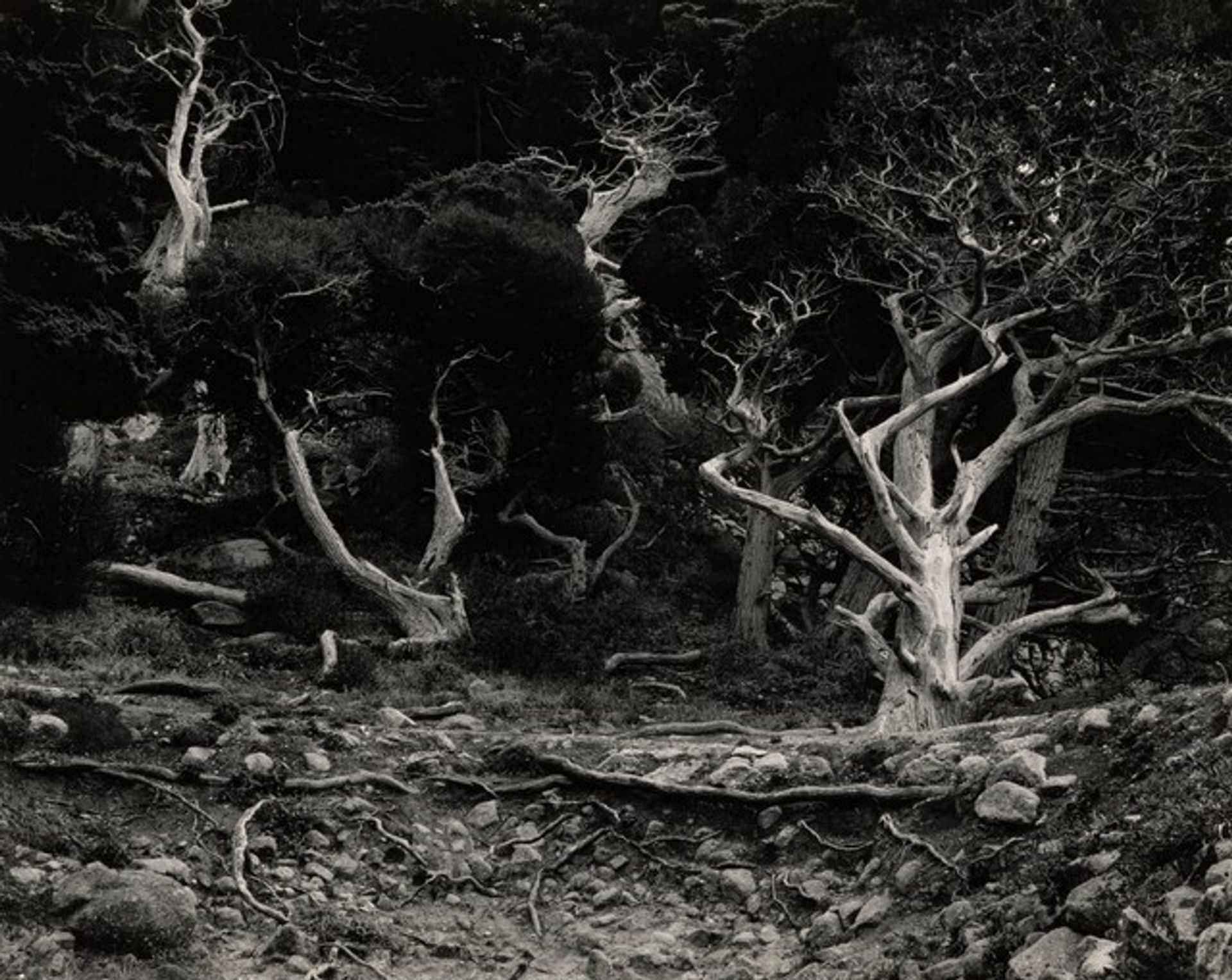
Cypress Grove, Point Lobos


Listen to curator's interpretation
Curatorial notes
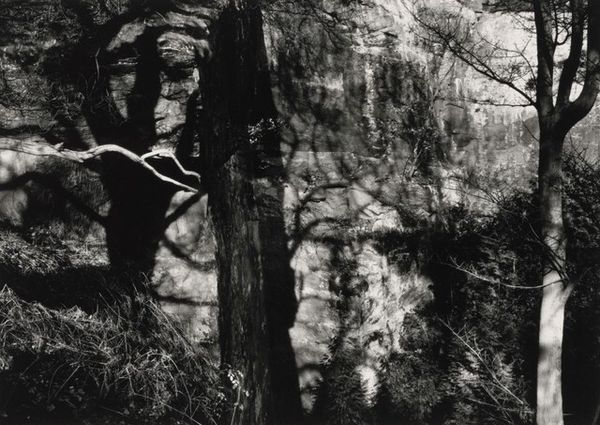
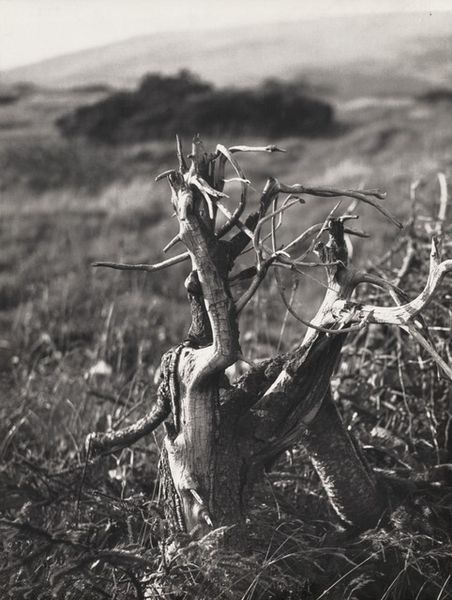
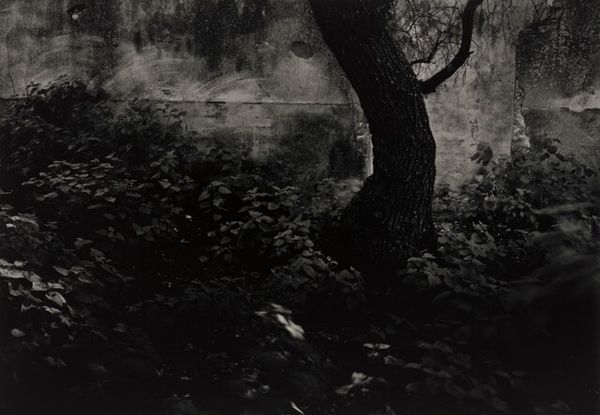
Edward Weston made this gelatin silver print, "Cypress Grove, Point Lobos," in the early to mid-twentieth century. Weston, along with other photographers of his generation, sought to establish photography as a fine art, equal to painting or sculpture. To do this, Weston avoided soft focus and picturesque scenery. Instead, he emphasized sharp focus, natural light, and close-up views of ordinary subjects. This approach reflected a broader cultural shift towards modernism and a rejection of sentimentality. Weston's choice of Point Lobos is significant. This area of the California coast was becoming increasingly popular, but Weston eschewed any sense of postcard prettiness. He presented nature as raw, textured, and even somewhat harsh. This aesthetic aligned with the values of the f/64 group, a collective of photographers who championed straight photography. By studying exhibition records and critical reviews of the time, we can better understand how Weston's work challenged and reshaped the art world's perception of photography.