About this artwork
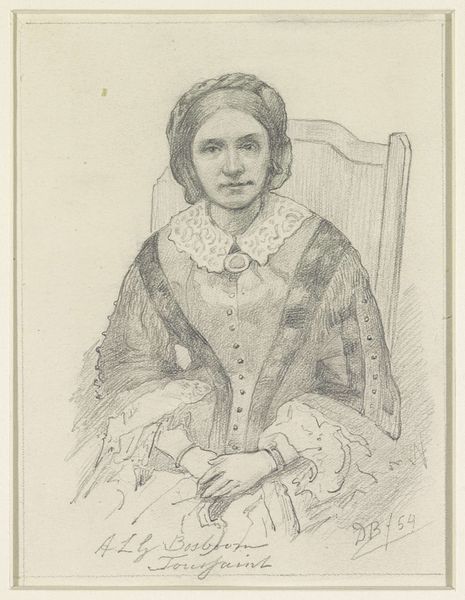
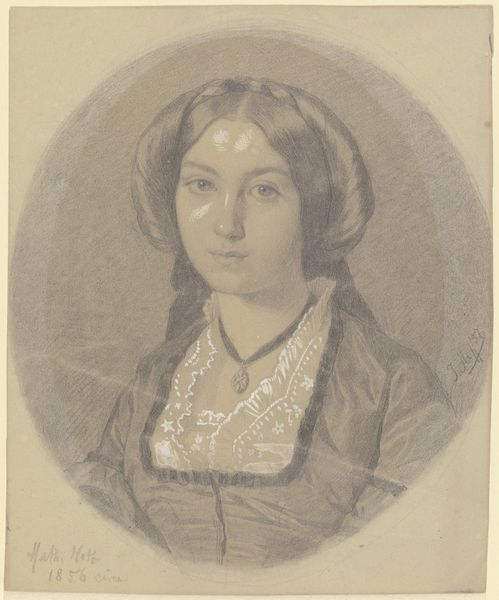
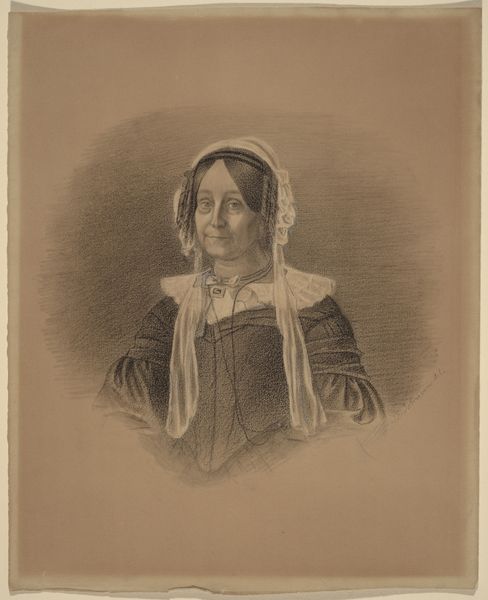
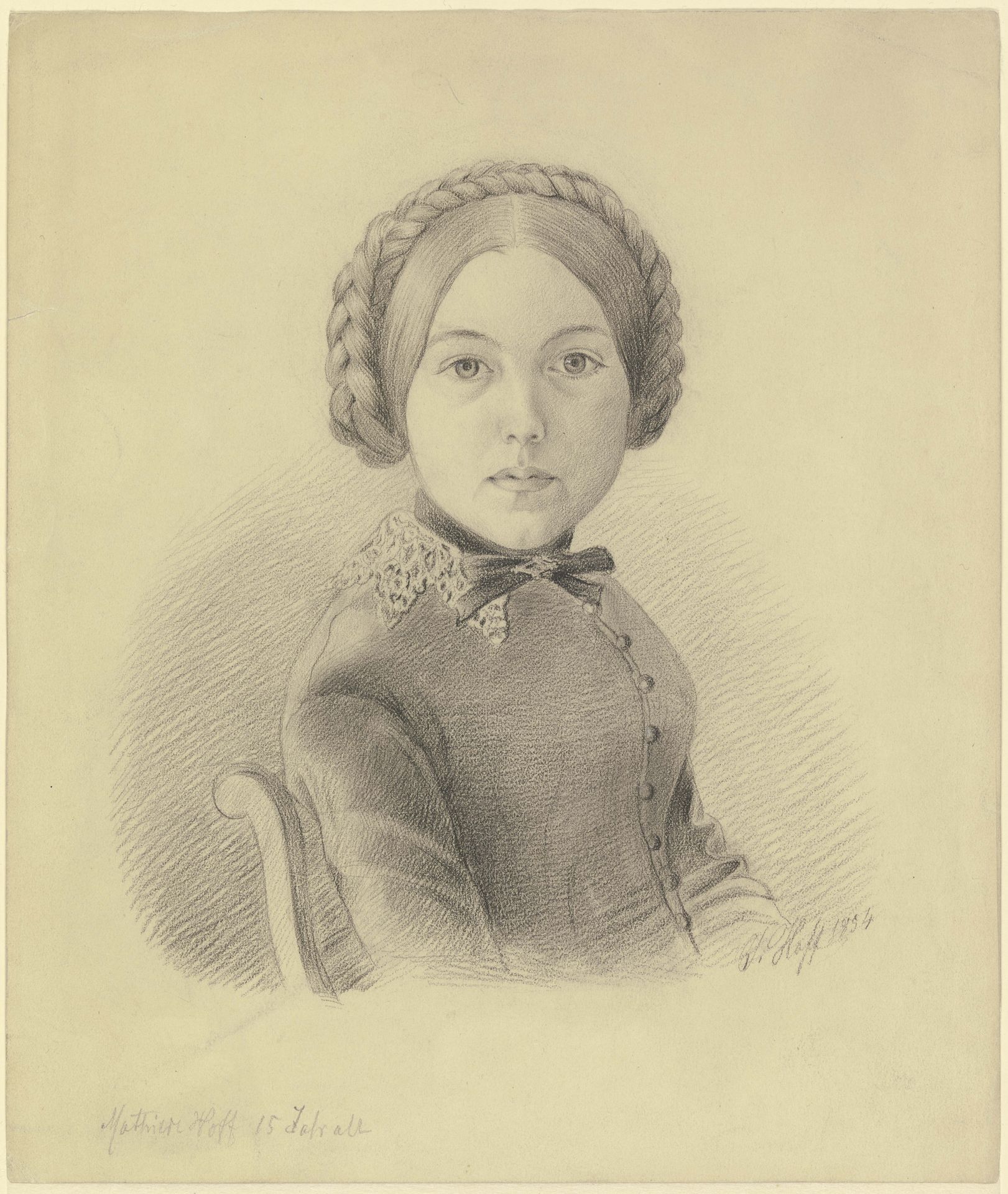
Johann Jakob Hoff made this pencil drawing of his sister, Mathilde Hoff, in 1854. This intimate portrait gives us a glimpse into the family life of a 19th-century German artist. The image creates meaning through visual codes and cultural references. Mathilde's braided hair and simple dress reflect the values of modesty and domesticity that were highly prized for women in that era. The delicate lace collar adds a touch of refinement, hinting at the family's social standing. The artist's attention to detail, particularly in capturing his sister's gaze, speaks to the personal connection between artist and subject. To understand this artwork better, we can research the social and cultural context of 19th-century Germany. By exploring family structures, gender roles, and artistic conventions of the time, we can gain a deeper appreciation for the historical significance of this drawing.
Bildnis Mathilde Hoff, Schwester des Künstlers 1854


Artwork details
- Location
- Städel Museum
- Copyright
- Public Domain
Comments
No comments
About this artwork
Johann Jakob Hoff made this pencil drawing of his sister, Mathilde Hoff, in 1854. This intimate portrait gives us a glimpse into the family life of a 19th-century German artist. The image creates meaning through visual codes and cultural references. Mathilde's braided hair and simple dress reflect the values of modesty and domesticity that were highly prized for women in that era. The delicate lace collar adds a touch of refinement, hinting at the family's social standing. The artist's attention to detail, particularly in capturing his sister's gaze, speaks to the personal connection between artist and subject. To understand this artwork better, we can research the social and cultural context of 19th-century Germany. By exploring family structures, gender roles, and artistic conventions of the time, we can gain a deeper appreciation for the historical significance of this drawing.
Comments
No comments