About this artwork
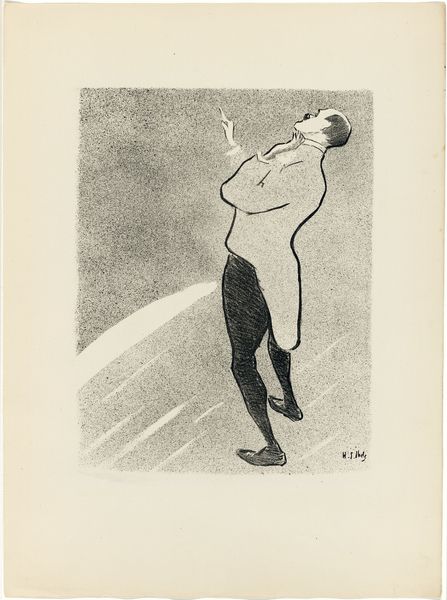
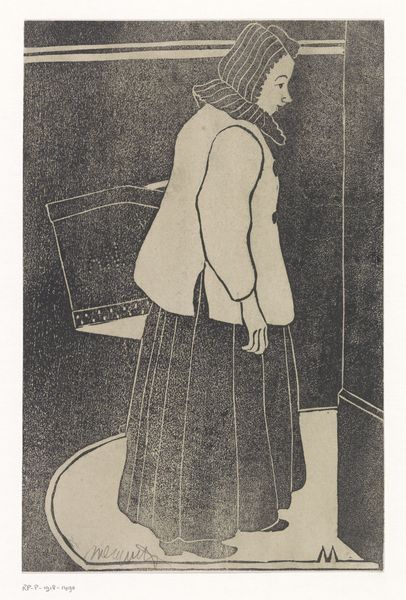
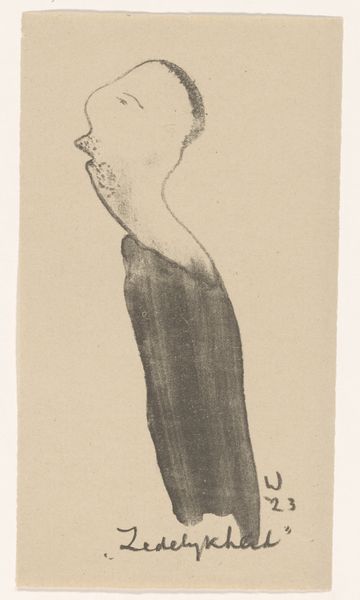
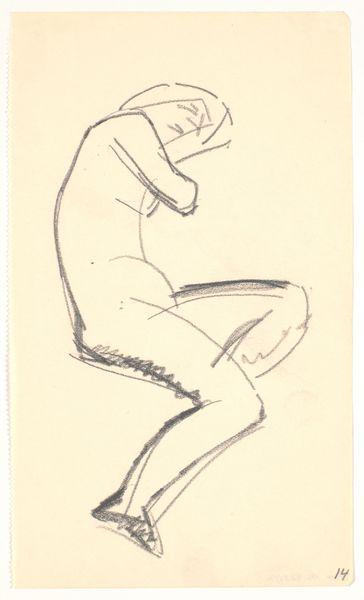
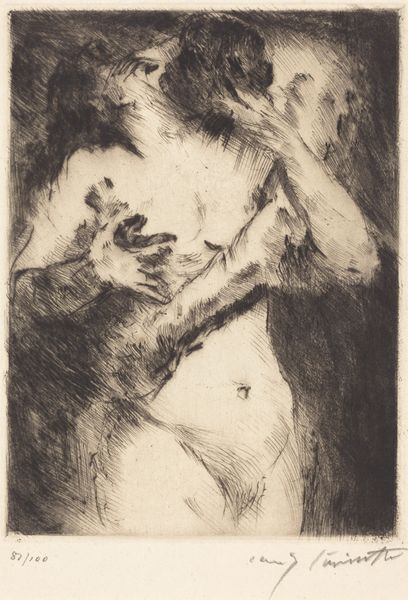
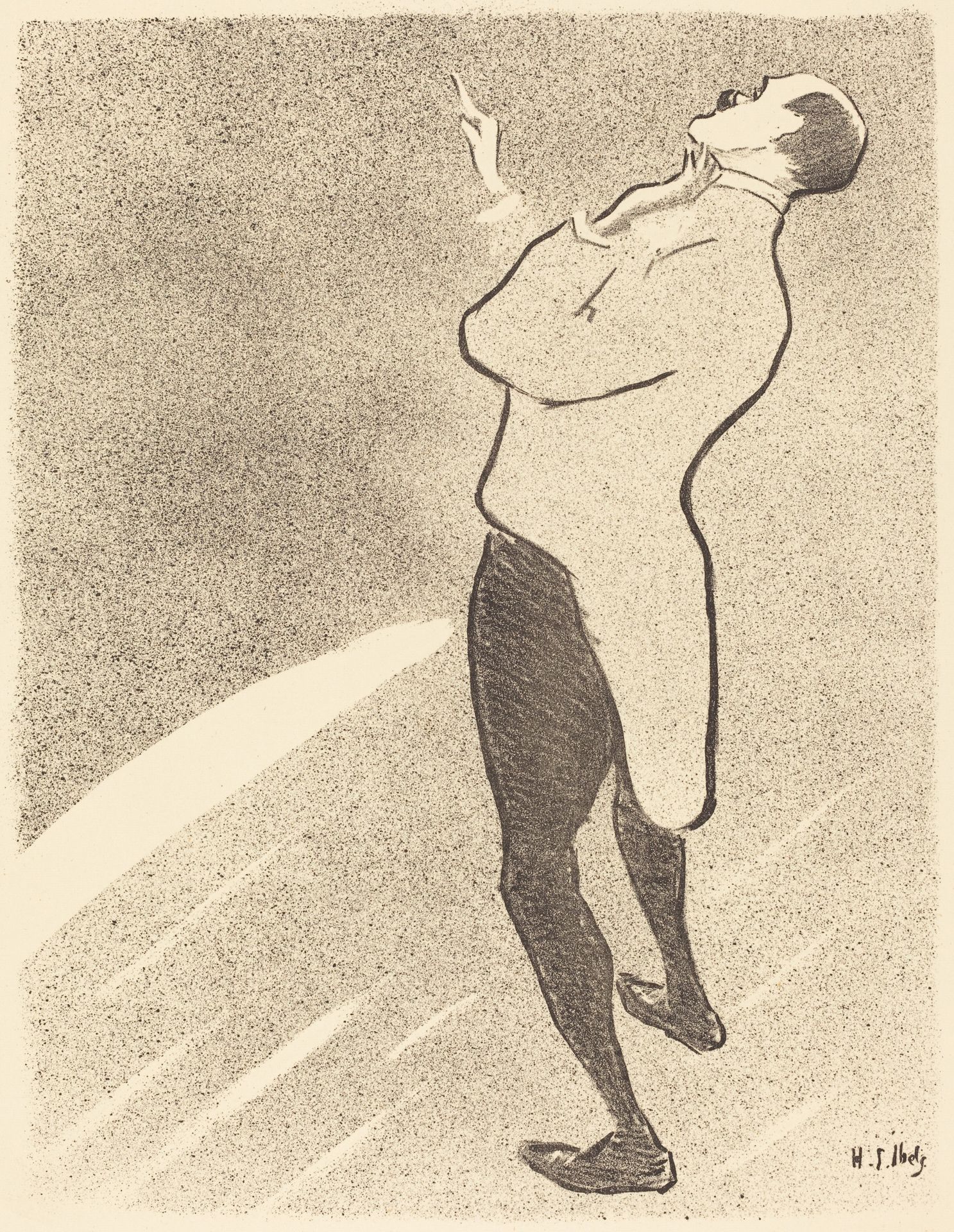
Henri-Gabriel Ibels created this lithograph, entitled "Singer", at the end of the 19th century. The image depicts a performer captured mid-song. Consider the role of popular entertainment in Parisian society at this time. Music halls and cabarets were booming, reflecting the city’s vibrant, sometimes decadent, cultural life. Ibels, like his contemporaries Toulouse-Lautrec and Steinlen, often depicted scenes from these venues. Note the singer’s exaggerated pose and the stark lighting. These visual codes emphasize the theatricality of the performance. Ibels was associated with the Nabis, a group of Post-Impressionist artists who aimed to bridge the gap between fine art and the decorative arts. They embraced printmaking, seeing it as a way to democratize art and engage with a wider audience. By studying the history of printmaking and the entertainment industry in France, we can better understand the social forces that shaped Ibels's artistic vision. Art history isn't just about aesthetics, it's about understanding the world in which art is made.


Artwork details
- Medium
- lithograph, print
- Dimensions
- image: 27.7 x 21.3 cm (10 7/8 x 8 3/8 in.) sheet: 43.5 x 32 cm (17 1/8 x 12 5/8 in.)
- Copyright
- National Gallery of Art: CC0 1.0
Tags
portrait
art-nouveau
lithograph
figuration
Comments
Be the first to share your thoughts about this work.
About this artwork
Henri-Gabriel Ibels created this lithograph, entitled "Singer", at the end of the 19th century. The image depicts a performer captured mid-song. Consider the role of popular entertainment in Parisian society at this time. Music halls and cabarets were booming, reflecting the city’s vibrant, sometimes decadent, cultural life. Ibels, like his contemporaries Toulouse-Lautrec and Steinlen, often depicted scenes from these venues. Note the singer’s exaggerated pose and the stark lighting. These visual codes emphasize the theatricality of the performance. Ibels was associated with the Nabis, a group of Post-Impressionist artists who aimed to bridge the gap between fine art and the decorative arts. They embraced printmaking, seeing it as a way to democratize art and engage with a wider audience. By studying the history of printmaking and the entertainment industry in France, we can better understand the social forces that shaped Ibels's artistic vision. Art history isn't just about aesthetics, it's about understanding the world in which art is made.
Comments
Be the first to share your thoughts about this work.