c. 1800 - 1810
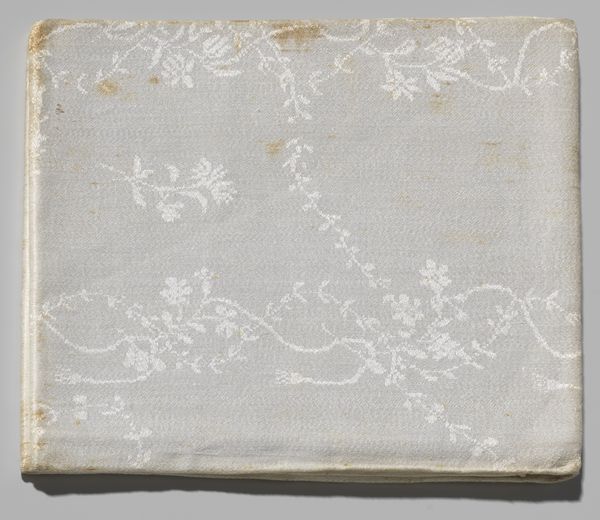
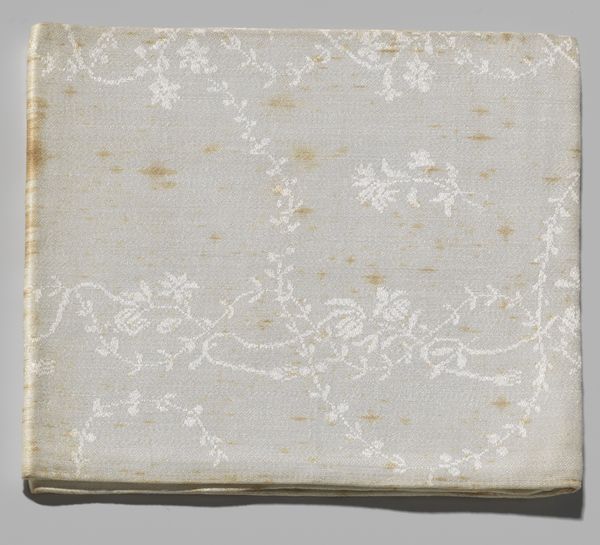
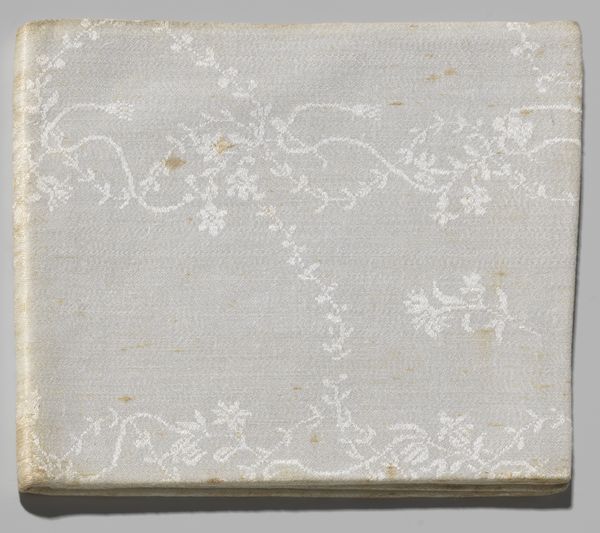
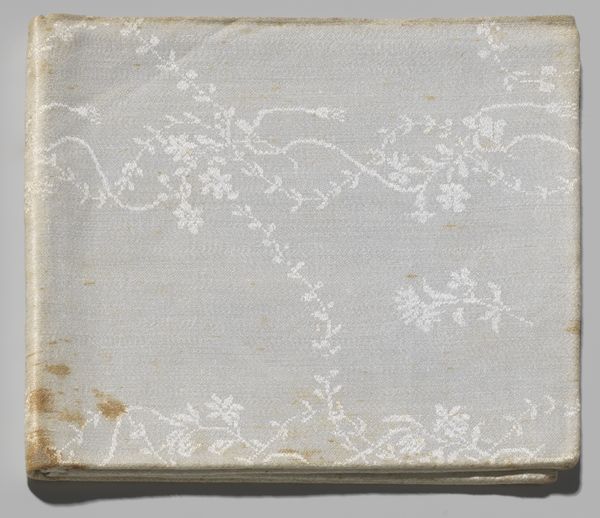
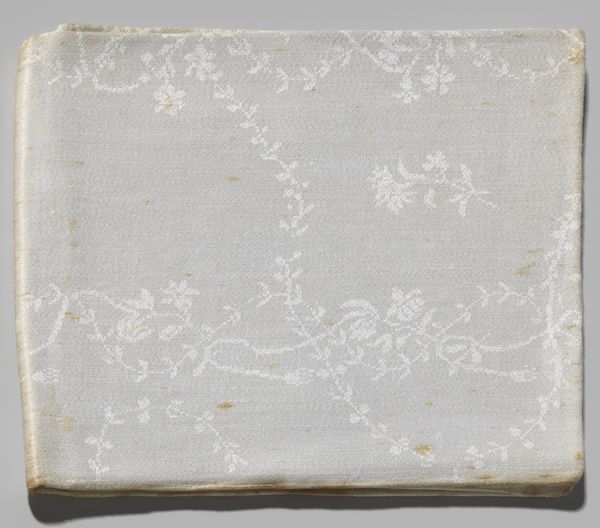
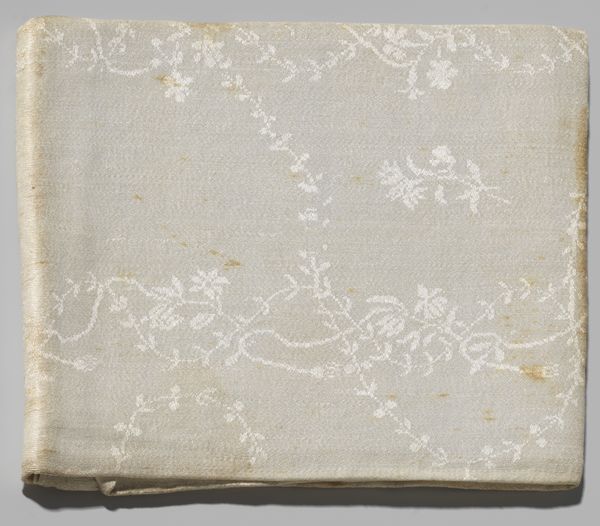
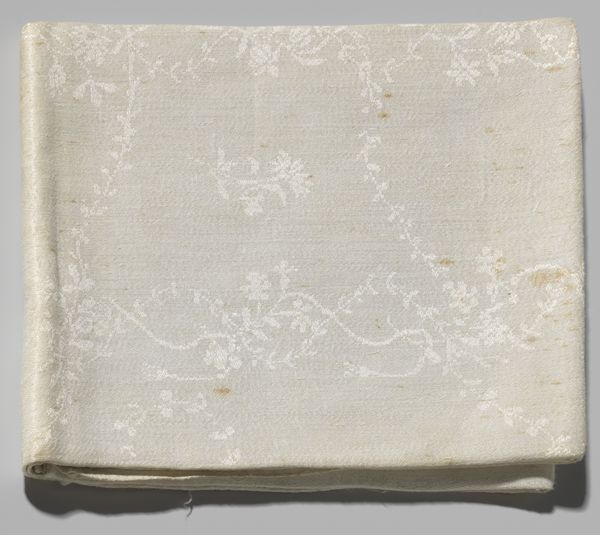
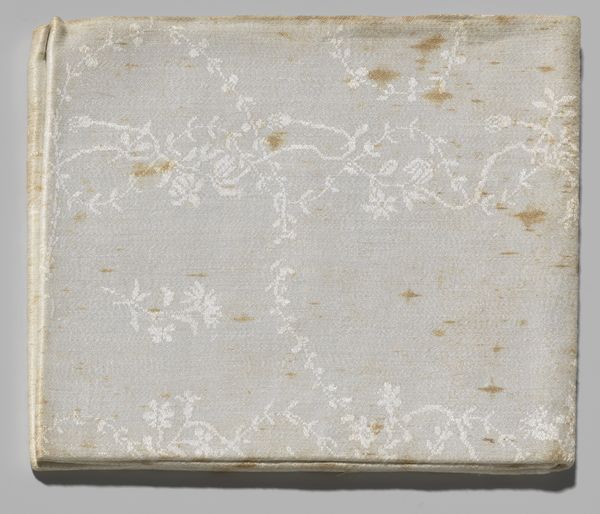
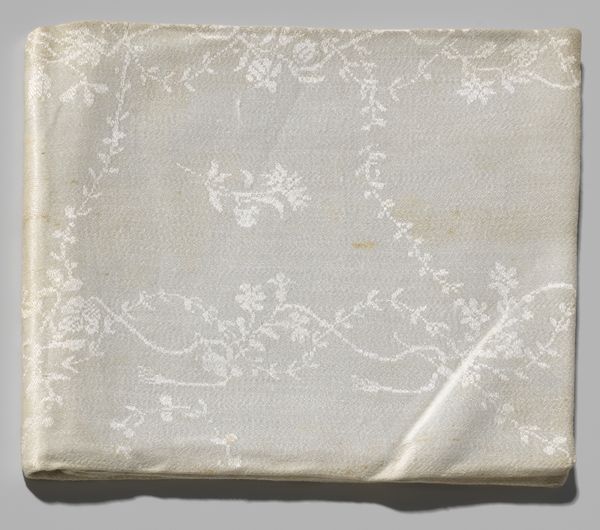
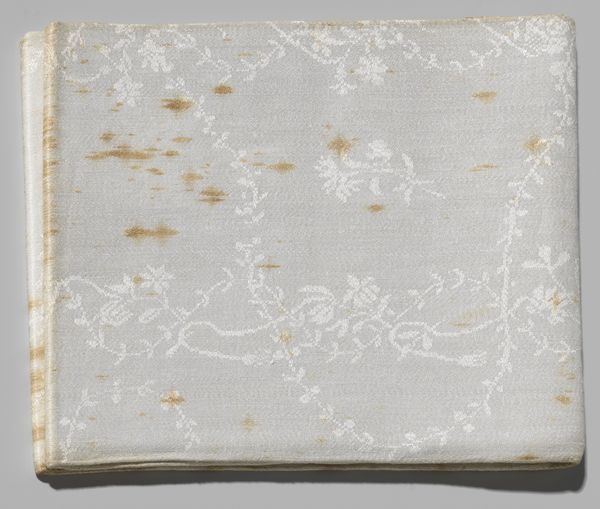
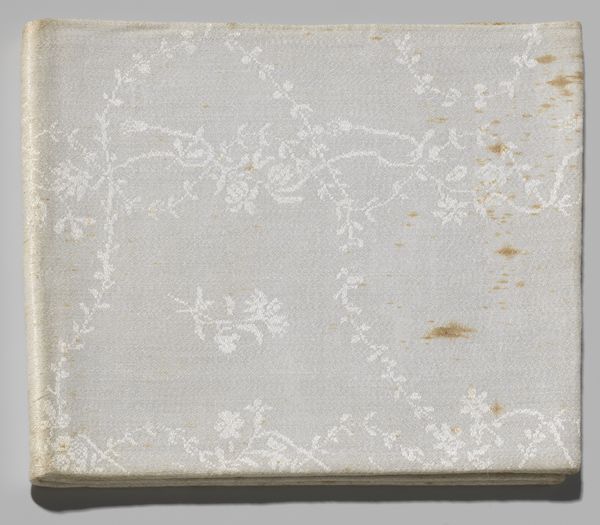
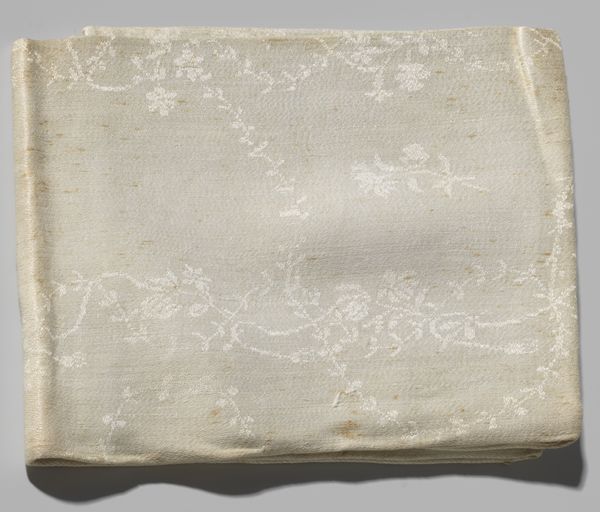
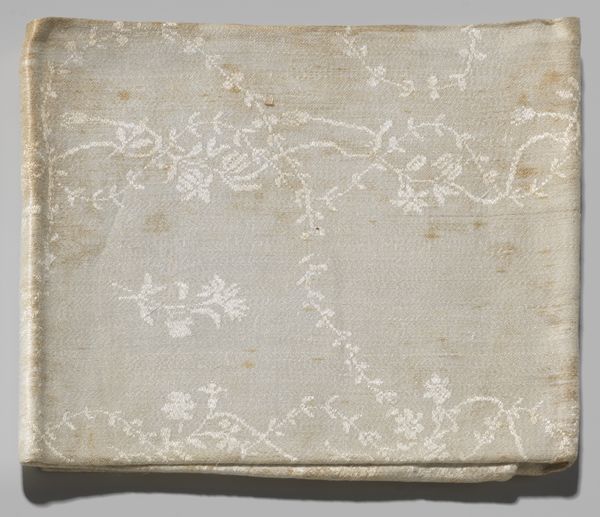
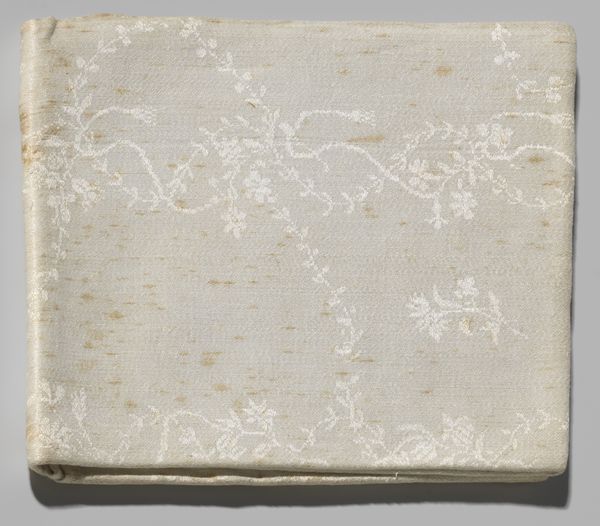
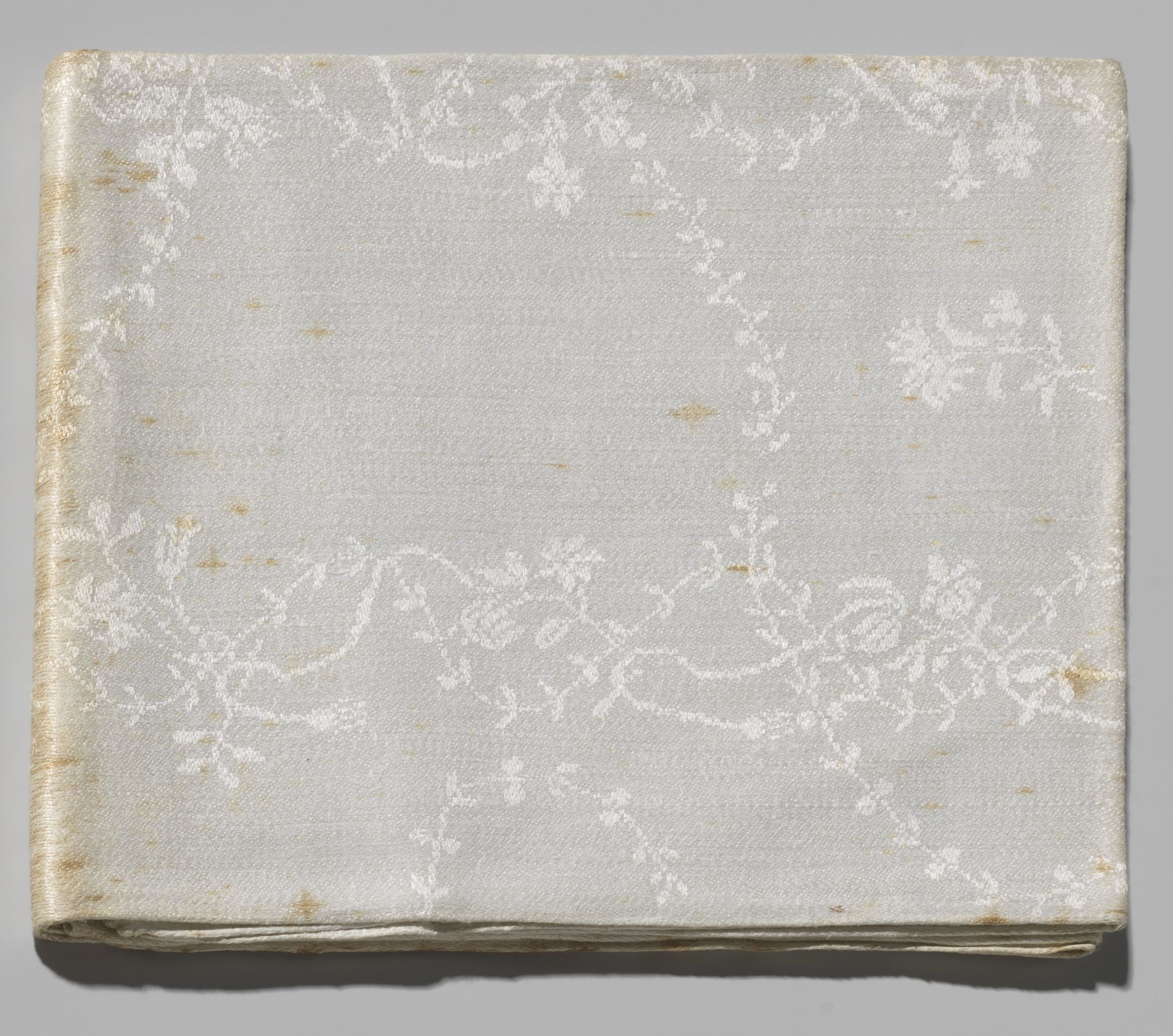
Servet met bloemen en slingers

Listen to curator's interpretation
Curatorial notes
This white linen napkin with woven floral garland comes to us from an anonymous maker, time unknown. What we can say for sure is that textiles like this one are deeply intertwined with social status, economic structures, and cultural values. In many cultures, fine textiles were considered valuable commodities, and ownership of such items was often a sign of wealth and status. Moreover, the motifs and patterns woven into textiles often reflected broader cultural trends and social norms. Floral designs, like the ones seen here, could be symbolic of beauty, fertility, and abundance. Understanding the historical context of an artwork is crucial for uncovering its full meaning. By examining trade records, social histories, and cultural studies, we can gain insight into the role of textiles in shaping social identities and power structures. Such research reveals that art's meaning is not fixed, but rather is contingent on its social and institutional context.