About this artwork
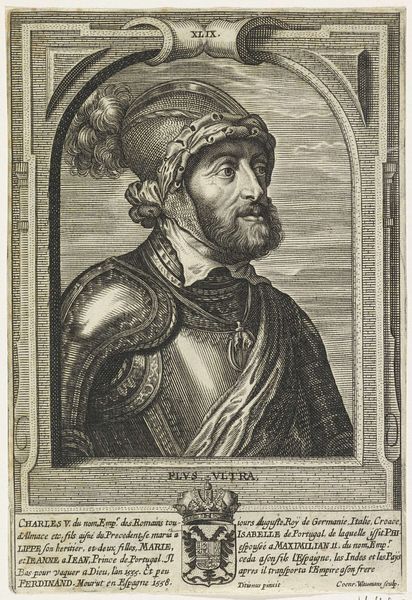
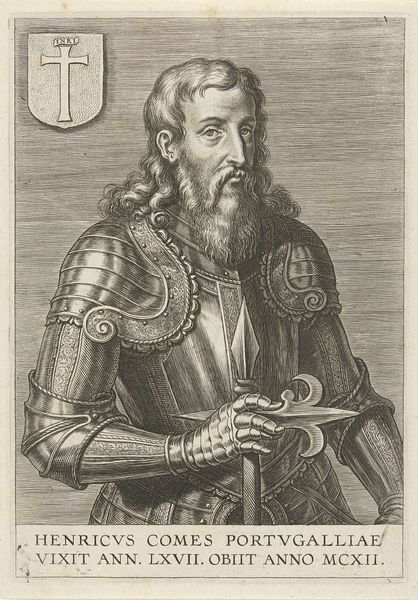
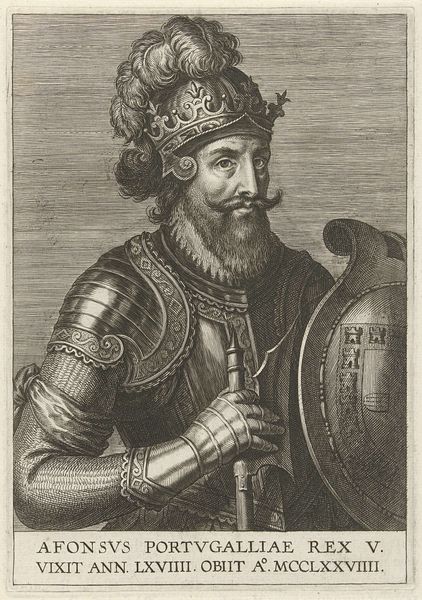
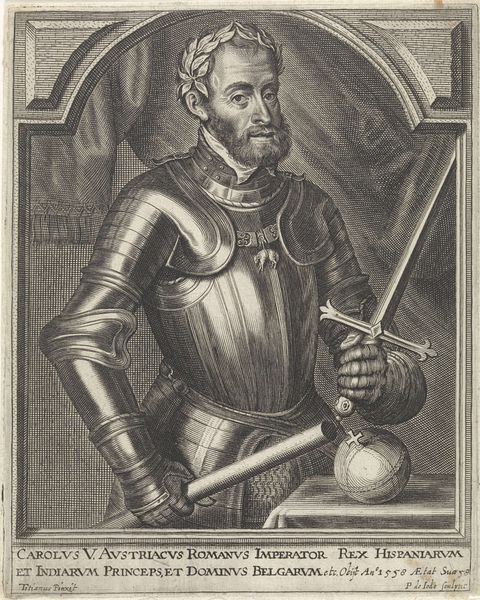
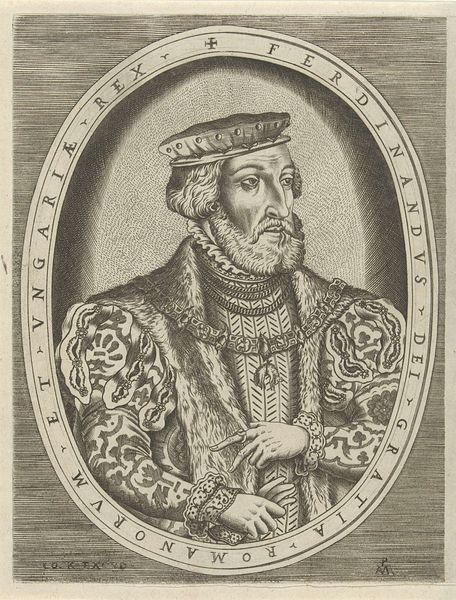
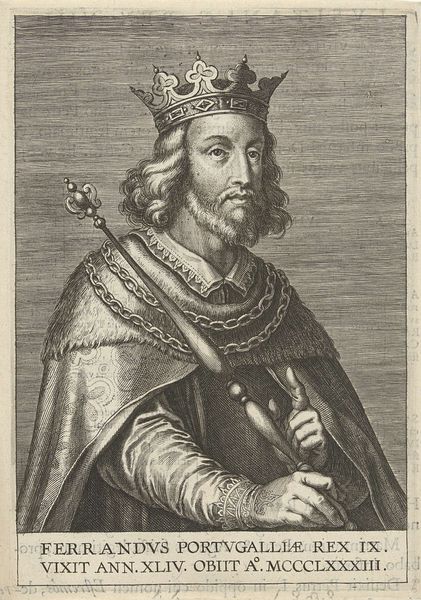
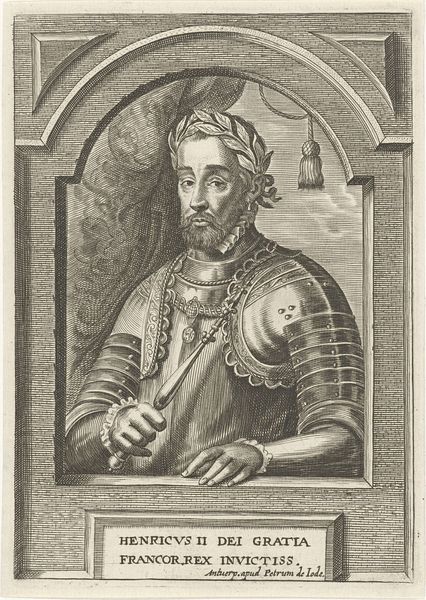
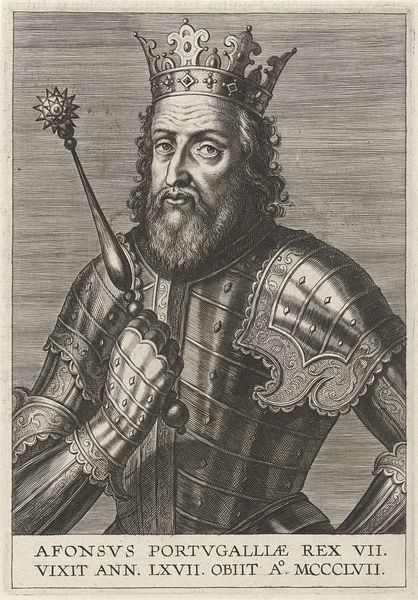
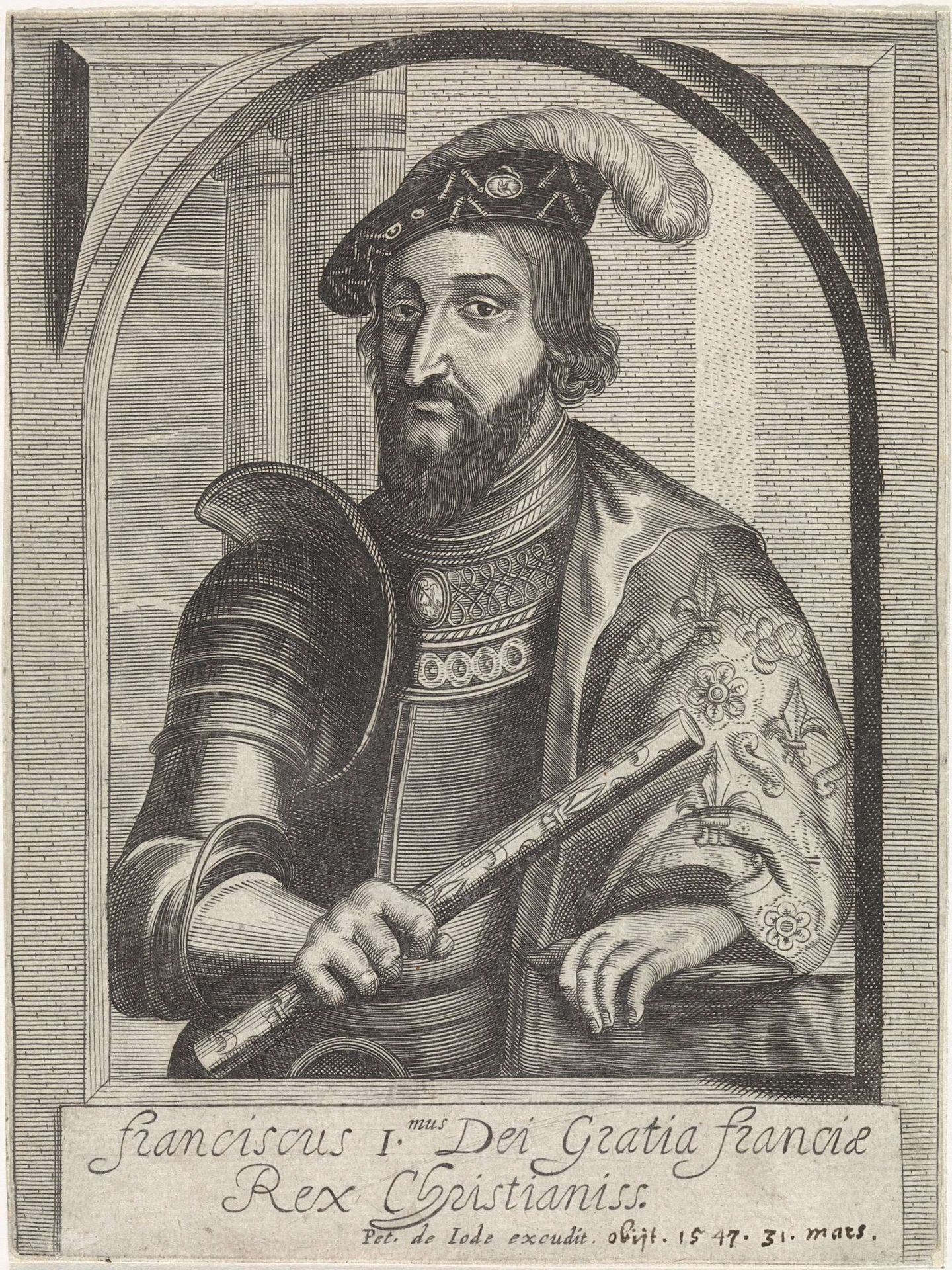
Pieter de Jode II made this portrait of Francis I, King of France using engraving, a printmaking technique dependent on the burin, a tool that allows one to incise lines into a copper plate. The method is laborious, demanding careful control and expert application of force. In this case, it yields a crisp, detailed likeness of the king, whose status is underscored by his fine armor. Note how de Jode skillfully uses hatching to create tone and volume, bringing the king's garments to life, from the furrows of his brow, to the folds of his sleeves. Engraving had been a core skill of goldsmiths for centuries, but it was increasingly used for printing, an activity which became ever-more essential to commerce. The texture of the print is evidence of de Jode's mastery of the burin. The fact that such a craft-based technique could be scaled up to meet the needs of the print market is a fascinating collision of two worlds, reflecting the changing dynamics of labor and production.
Portret van Frans I, koning van Frankrijk
c. 1628 - 1670

Pieter de (II) Jode
1606 - 1674Location
RijksmuseumArtwork details
- Medium
- print, metal, engraving
- Dimensions
- height 164 mm, width 123 mm
- Location
- Rijksmuseum
- Copyright
- Rijks Museum: Open Domain
Tags
Comments
Share your thoughts
About this artwork
Pieter de Jode II made this portrait of Francis I, King of France using engraving, a printmaking technique dependent on the burin, a tool that allows one to incise lines into a copper plate. The method is laborious, demanding careful control and expert application of force. In this case, it yields a crisp, detailed likeness of the king, whose status is underscored by his fine armor. Note how de Jode skillfully uses hatching to create tone and volume, bringing the king's garments to life, from the furrows of his brow, to the folds of his sleeves. Engraving had been a core skill of goldsmiths for centuries, but it was increasingly used for printing, an activity which became ever-more essential to commerce. The texture of the print is evidence of de Jode's mastery of the burin. The fact that such a craft-based technique could be scaled up to meet the needs of the print market is a fascinating collision of two worlds, reflecting the changing dynamics of labor and production.
Comments
Share your thoughts