About this artwork
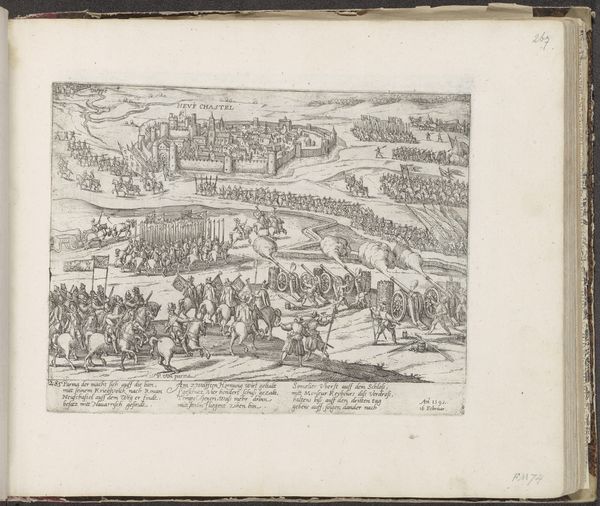
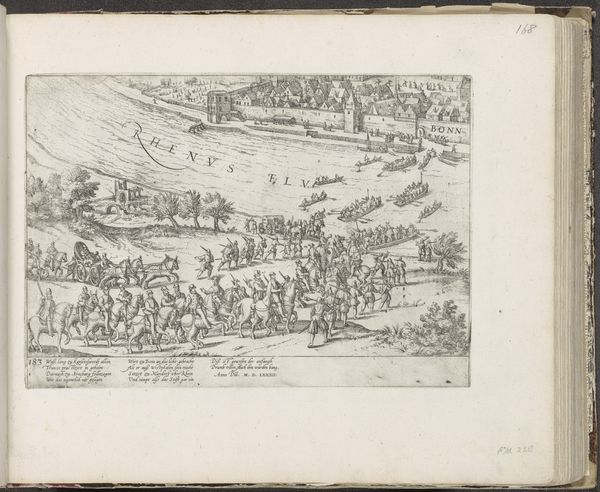
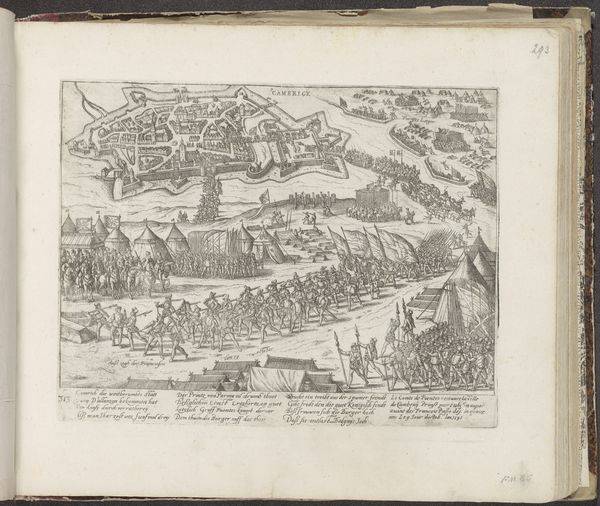
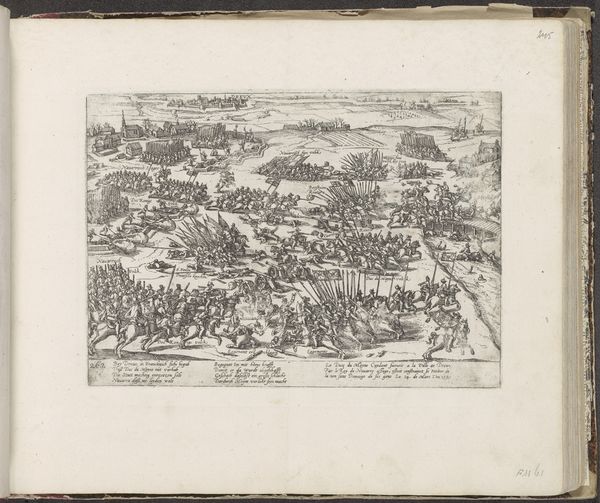
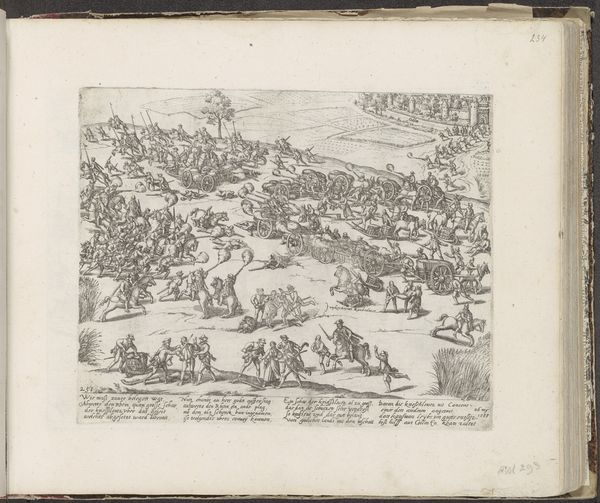
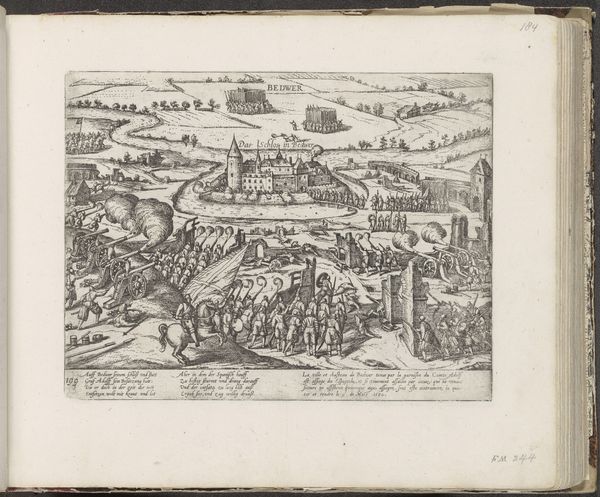
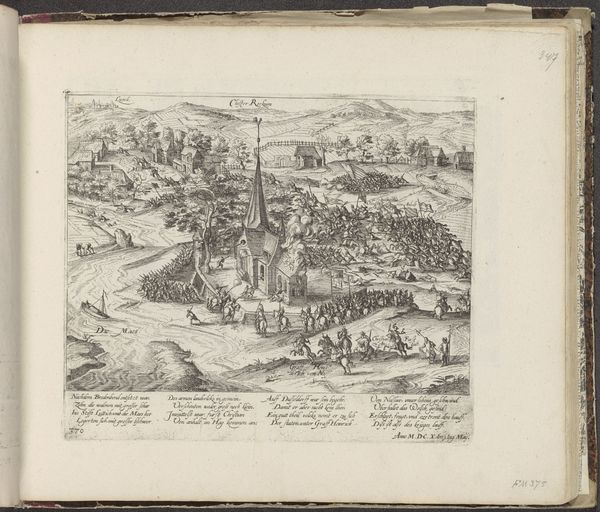
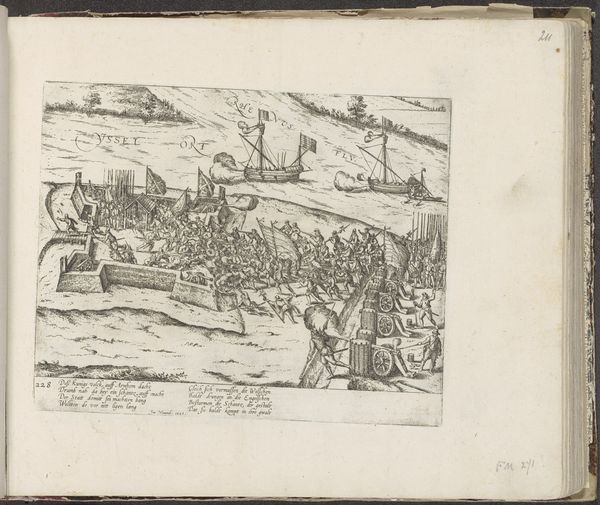
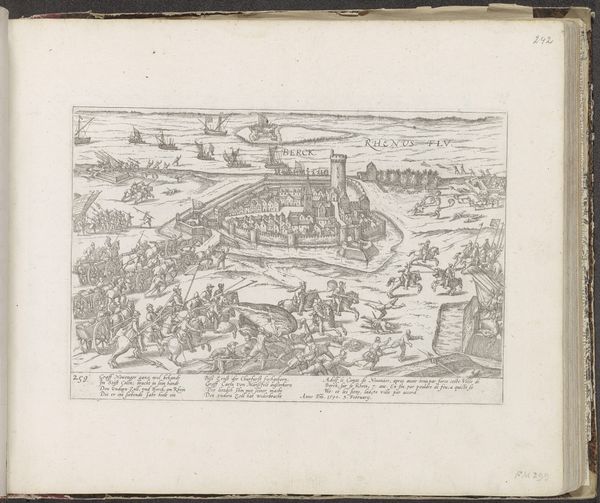
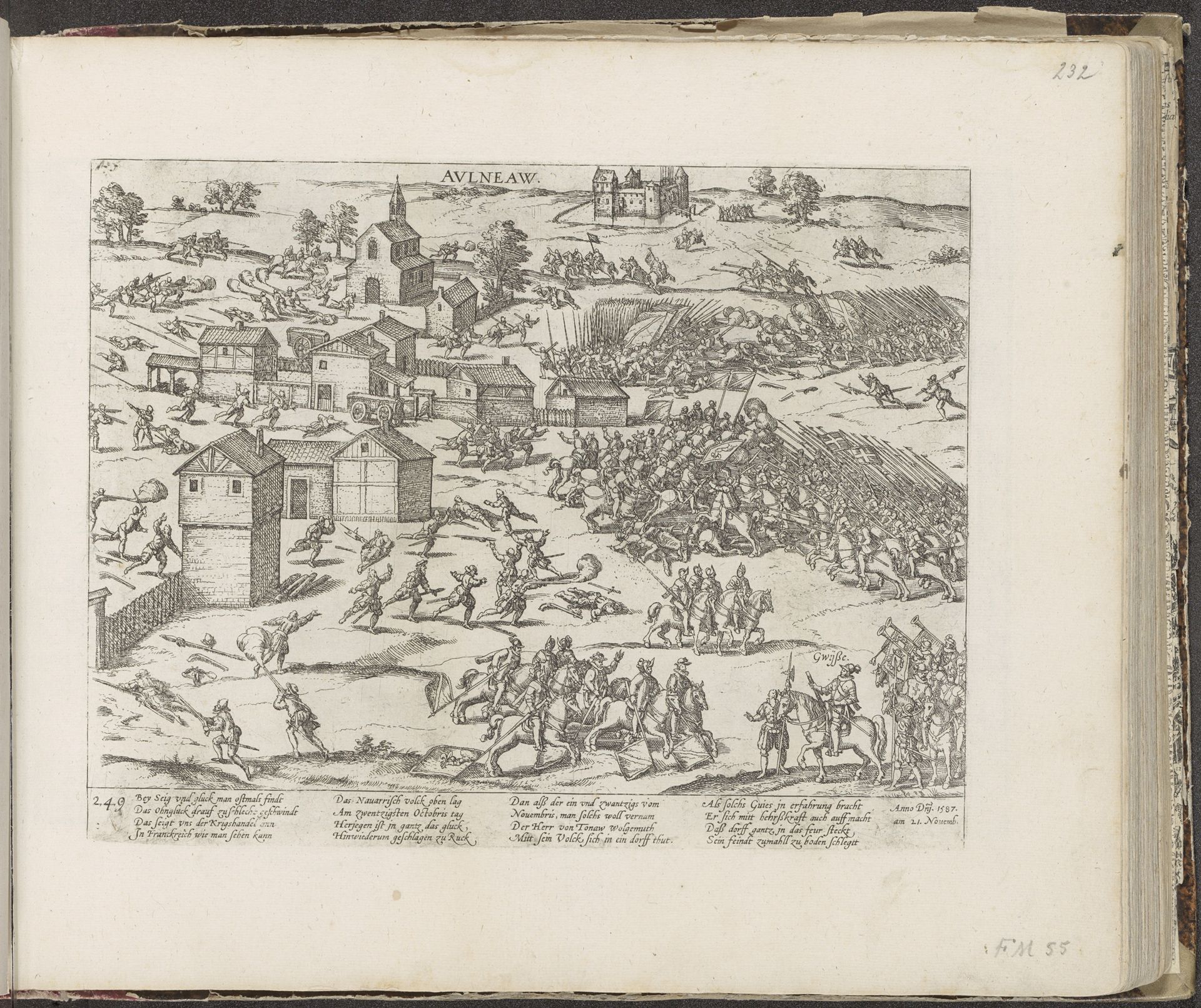
Frans Hogenberg created this print of the Battle of Auneau in 1587 in the Netherlands. This image is more than just a depiction of a historical event, it’s a window into the complex religious and political landscape of the time. The print shows the Battle of Auneau, a significant clash in the French Wars of Religion between the Catholics and Protestants. Hogenberg uses visual codes to depict the chaos and intensity of battle, with tiny figures engaged in combat across the landscape. The town of Auneau is visible in the background. It serves as a reminder of the stakes of this conflict, which was deeply rooted in religious differences and power struggles. As historians, it’s our job to look beyond the surface and explore the social and political forces that shaped this artwork. By consulting historical documents, religious texts, and other primary sources, we can gain a deeper understanding of the complex world in which this image was created.

Artwork details
- Medium
- print, engraving
- Dimensions
- height 220 mm, width 285 mm
- Location
- Rijksmuseum
- Copyright
- Rijks Museum: Open Domain
Tags
mannerism
history-painting
engraving
Comments
Be the first to share your thoughts about this work.
About this artwork
Frans Hogenberg created this print of the Battle of Auneau in 1587 in the Netherlands. This image is more than just a depiction of a historical event, it’s a window into the complex religious and political landscape of the time. The print shows the Battle of Auneau, a significant clash in the French Wars of Religion between the Catholics and Protestants. Hogenberg uses visual codes to depict the chaos and intensity of battle, with tiny figures engaged in combat across the landscape. The town of Auneau is visible in the background. It serves as a reminder of the stakes of this conflict, which was deeply rooted in religious differences and power struggles. As historians, it’s our job to look beyond the surface and explore the social and political forces that shaped this artwork. By consulting historical documents, religious texts, and other primary sources, we can gain a deeper understanding of the complex world in which this image was created.
Comments
Be the first to share your thoughts about this work.