About this artwork
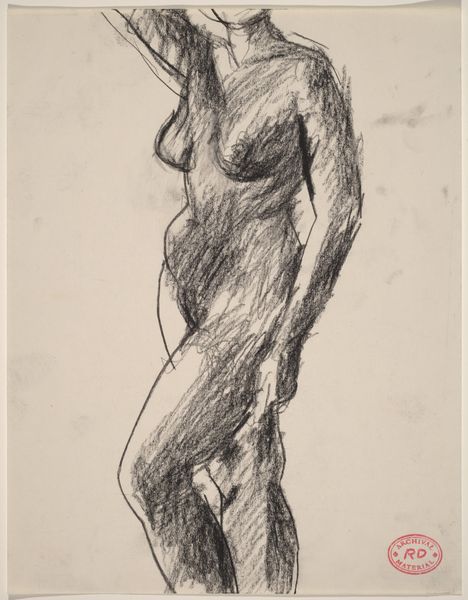
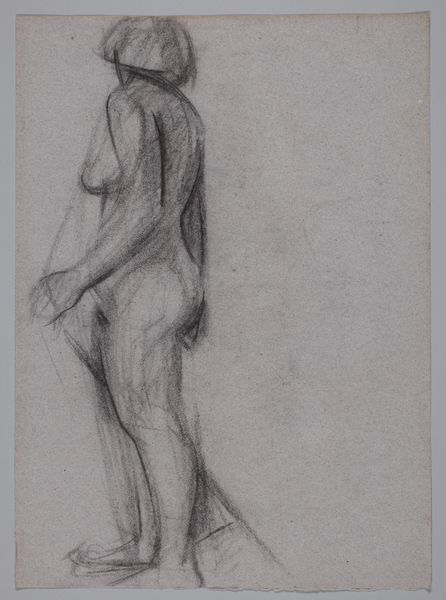
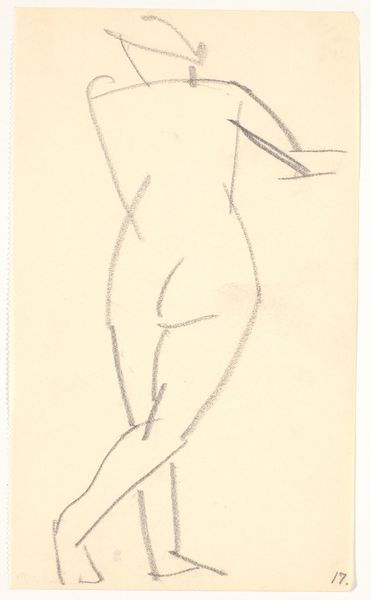
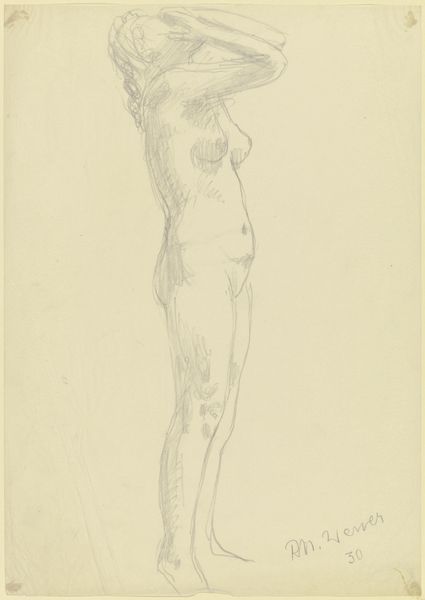
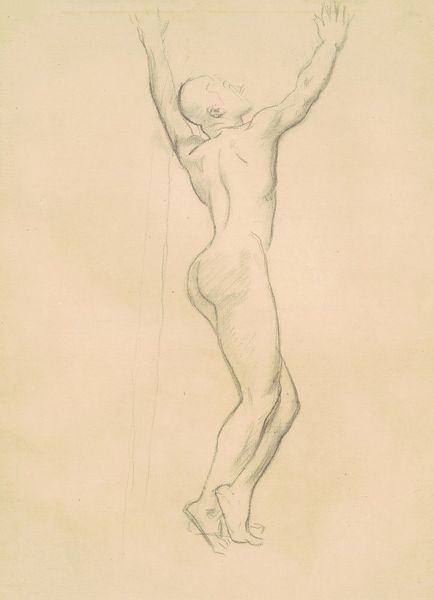
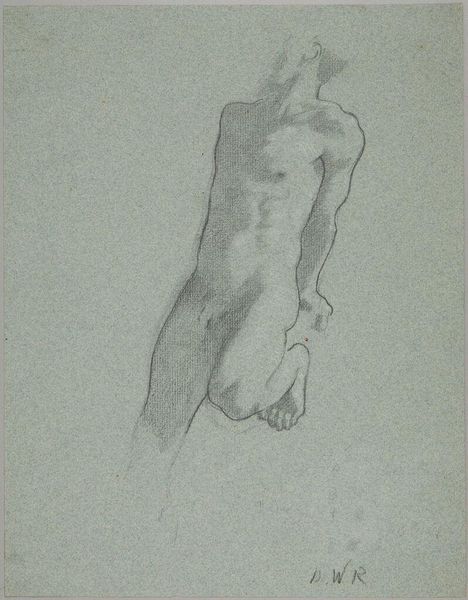
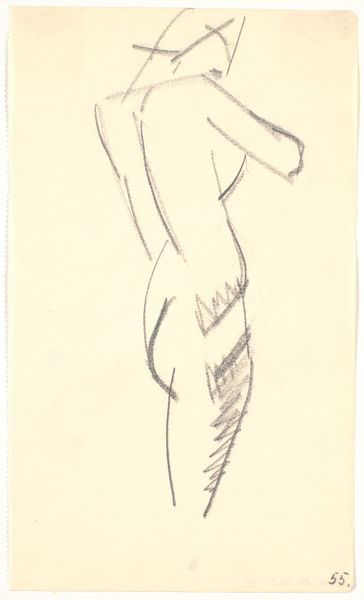
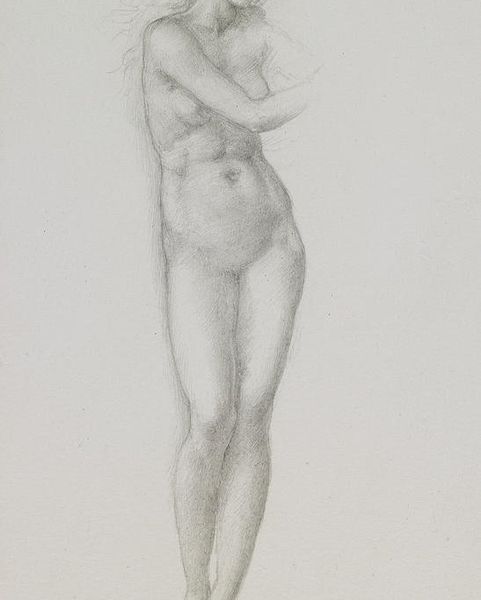
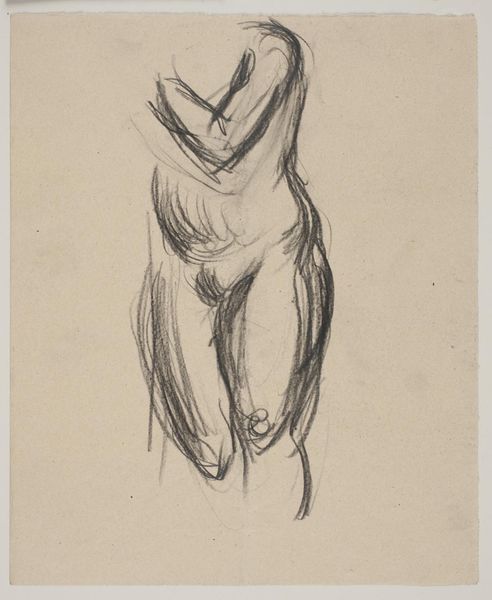
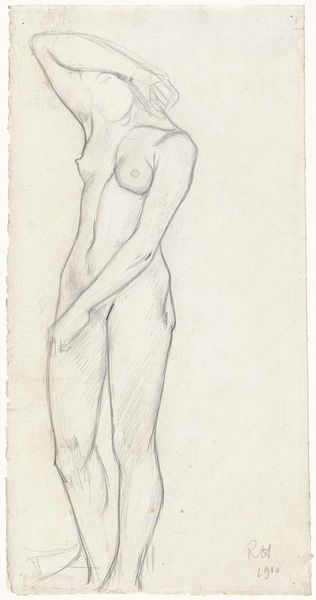
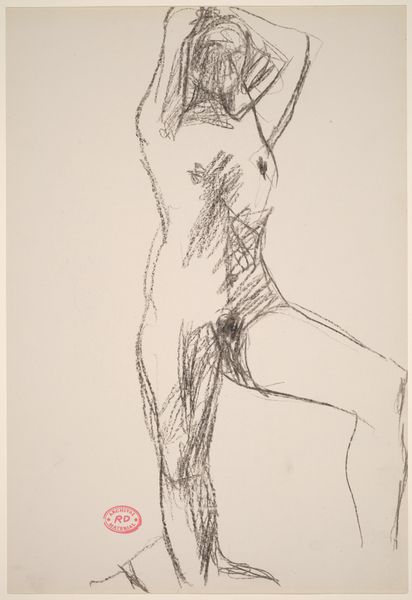
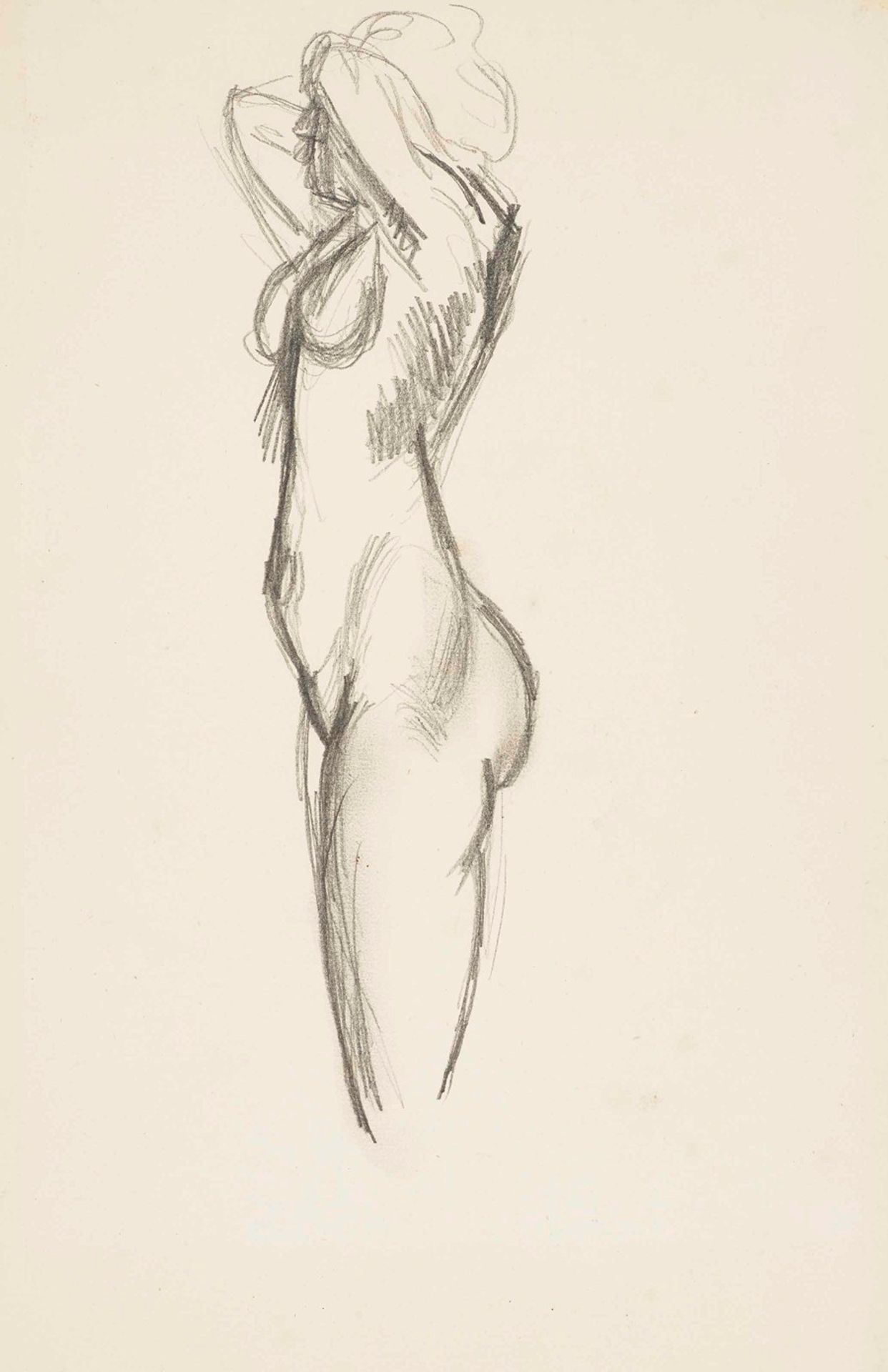
Henri Matisse made this drawing, titled "Nu," with graphite on paper. It’s a simple combination of materials, yet they reveal so much. Consider the directness of graphite. Each mark is immediately visible, a record of the artist's hand and eye working together. The texture of the paper also plays a role, creating subtle variations in the graphite's tone, catching on the surface to give a tactile quality to the image. Matisse, of course, was academically trained, so he knew exactly what he was doing with these simple means. There is a long tradition of preparatory drawing in the European tradition. With just a few strokes, he was able to evoke volume and form, making the figure come alive on the page. Yet, in his work as a whole, he was questioning the very nature of the western canon. The very directness of the materials is what gives the work its expressive power. It’s a reminder that profound statements can be made with humble means, breaking down the traditional hierarchy of art and craft.

Artwork details
- Medium
- drawing, pencil
- Copyright
- Modern Artists: Artvee
Tags
Comments
Share your thoughts
About this artwork
Henri Matisse made this drawing, titled "Nu," with graphite on paper. It’s a simple combination of materials, yet they reveal so much. Consider the directness of graphite. Each mark is immediately visible, a record of the artist's hand and eye working together. The texture of the paper also plays a role, creating subtle variations in the graphite's tone, catching on the surface to give a tactile quality to the image. Matisse, of course, was academically trained, so he knew exactly what he was doing with these simple means. There is a long tradition of preparatory drawing in the European tradition. With just a few strokes, he was able to evoke volume and form, making the figure come alive on the page. Yet, in his work as a whole, he was questioning the very nature of the western canon. The very directness of the materials is what gives the work its expressive power. It’s a reminder that profound statements can be made with humble means, breaking down the traditional hierarchy of art and craft.
Comments
Share your thoughts