About this artwork
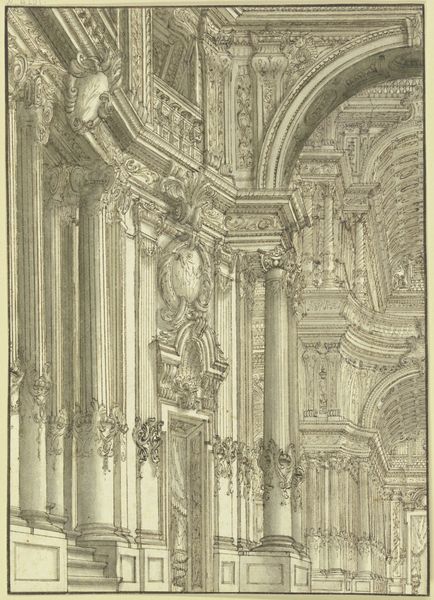
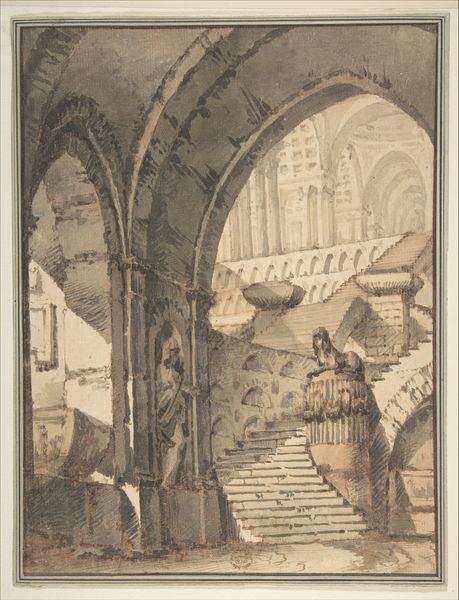
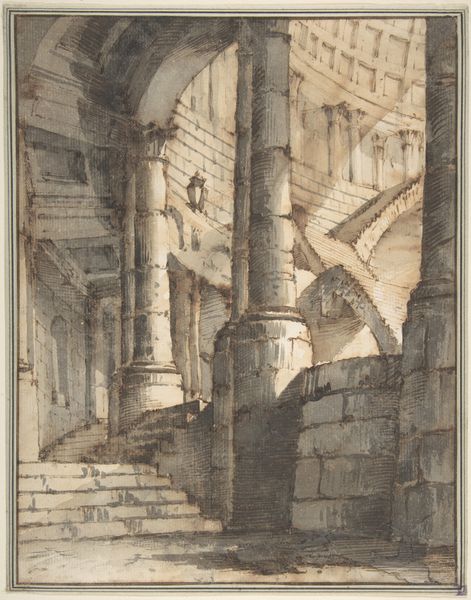
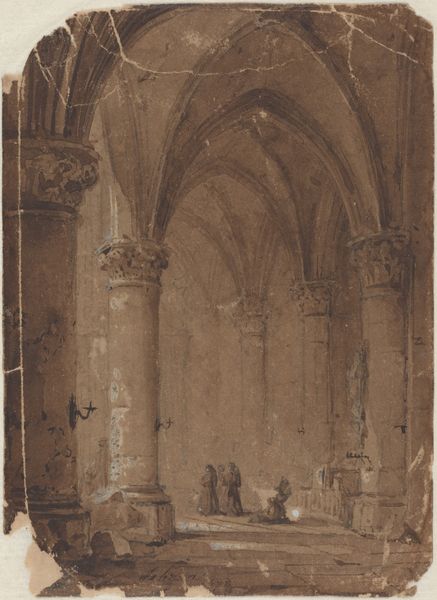
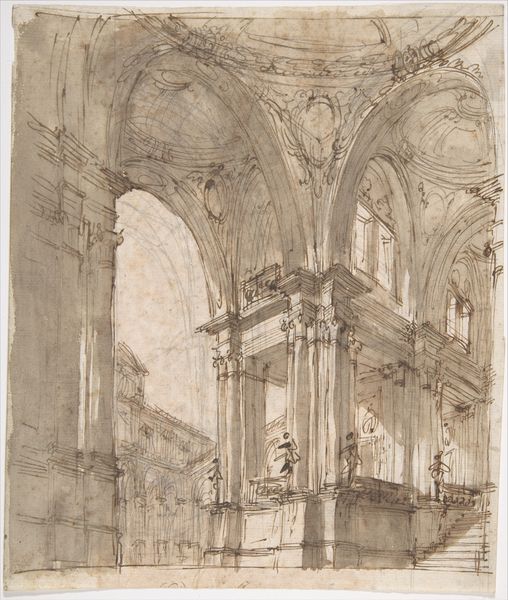
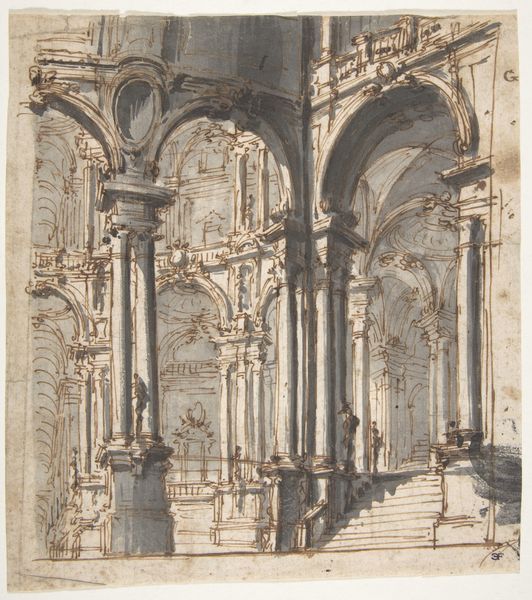
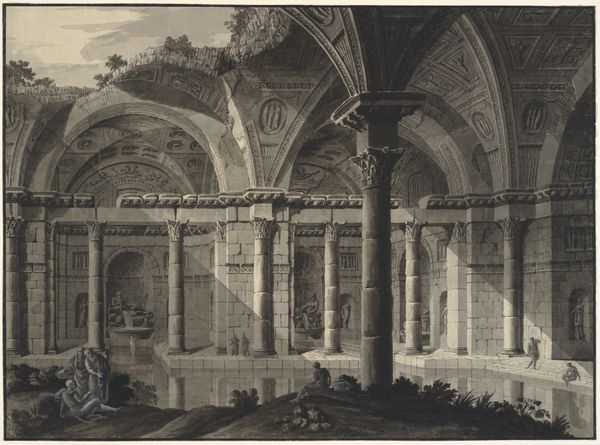
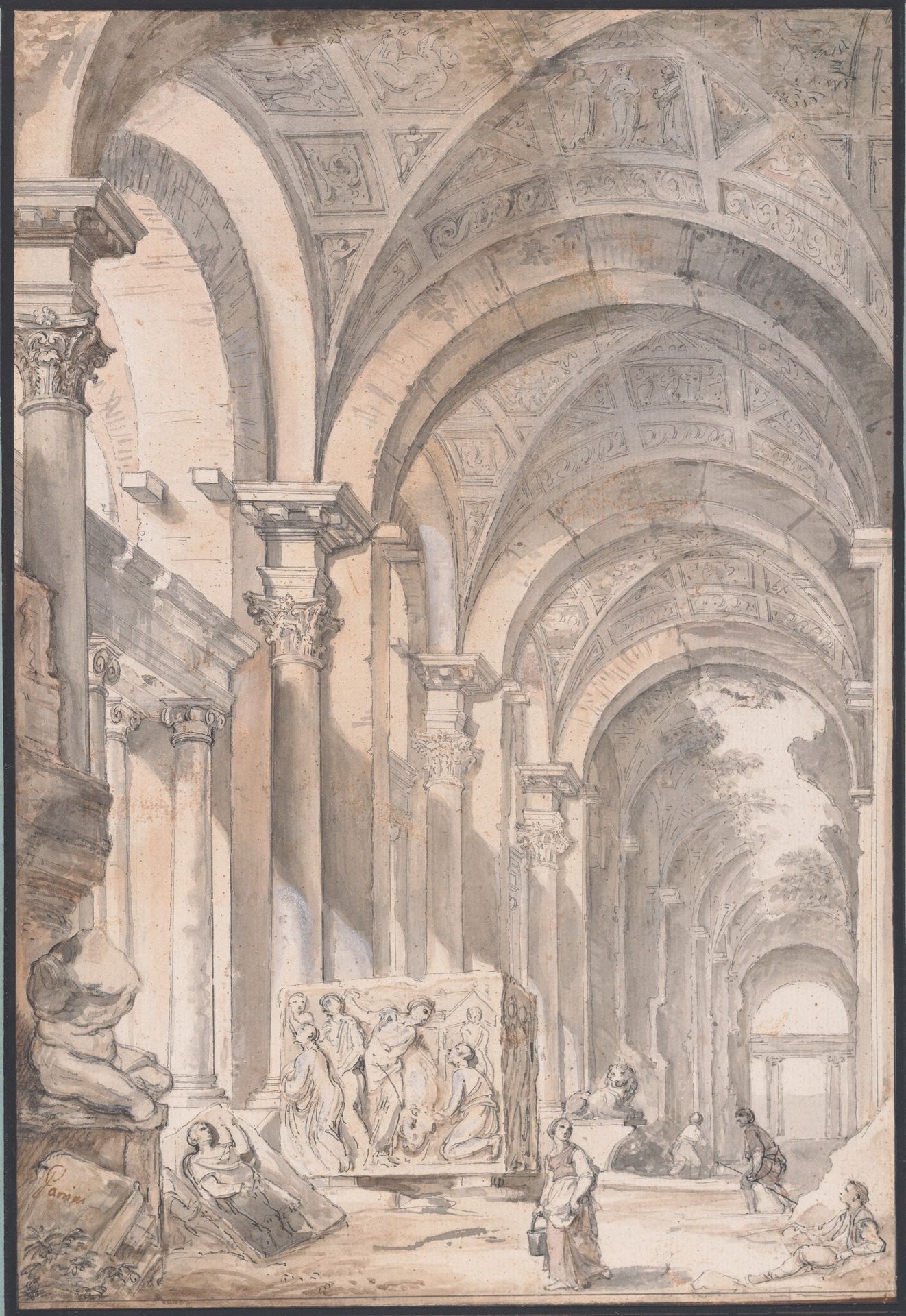
Giovanni Paolo Panini created this architectural capriccio using pen, brown ink, and watercolor wash on paper. What we see is an imaginary space populated with figures and classical ruins, which speaks to the 18th-century fascination with antiquity and its role in shaping contemporary culture. The drawing highlights visual codes that reference the grandeur of ancient Rome, a cultural touchstone for European identity and artistic inspiration. Panini was working in Italy at a time when the Grand Tour was popular, and wealthy Europeans, especially Britons, would travel to Italy to experience its art, architecture, and history. The imaginary, theatrical architecture creates an evocative atmosphere that simultaneously celebrates and perhaps critiques this romanticized view of the past. The presence of everyday figures amidst the ruins subtly comments on the relationship between the present and the past. To better understand the complexities of Panini’s work, scholars delve into travel diaries, architectural treatises, and the social history of collecting and patronage. Ultimately, this drawing reminds us that art is always entangled with the social, cultural, and institutional contexts in which it is produced and received.
Architectural capriccio with Figures and Antiquities
1750 - 1770

Giovanni Paolo Panini
1691 - 1765
The Metropolitan Museum of Art
Metropolitan Museum of Art, New York, NYArtwork details
- Medium
- drawing, tempera, print, watercolor, architecture
- Dimensions
- Sheet: 14 1/4 × 9 5/8 in. (36.2 × 24.5 cm)
- Location
- Metropolitan Museum of Art, New York, NY
- Copyright
- Public Domain
Tags
Comments
Share your thoughts
About this artwork
Giovanni Paolo Panini created this architectural capriccio using pen, brown ink, and watercolor wash on paper. What we see is an imaginary space populated with figures and classical ruins, which speaks to the 18th-century fascination with antiquity and its role in shaping contemporary culture. The drawing highlights visual codes that reference the grandeur of ancient Rome, a cultural touchstone for European identity and artistic inspiration. Panini was working in Italy at a time when the Grand Tour was popular, and wealthy Europeans, especially Britons, would travel to Italy to experience its art, architecture, and history. The imaginary, theatrical architecture creates an evocative atmosphere that simultaneously celebrates and perhaps critiques this romanticized view of the past. The presence of everyday figures amidst the ruins subtly comments on the relationship between the present and the past. To better understand the complexities of Panini’s work, scholars delve into travel diaries, architectural treatises, and the social history of collecting and patronage. Ultimately, this drawing reminds us that art is always entangled with the social, cultural, and institutional contexts in which it is produced and received.
Comments
Share your thoughts