About this artwork
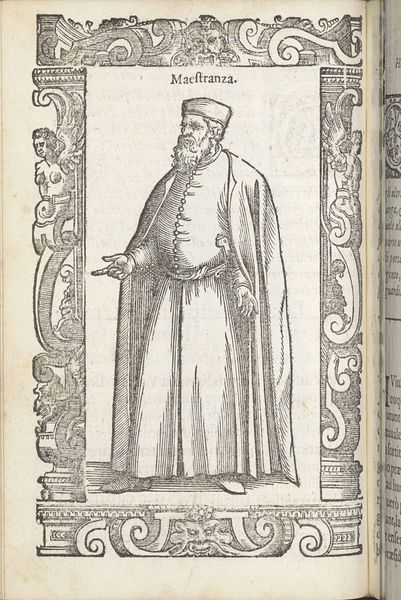
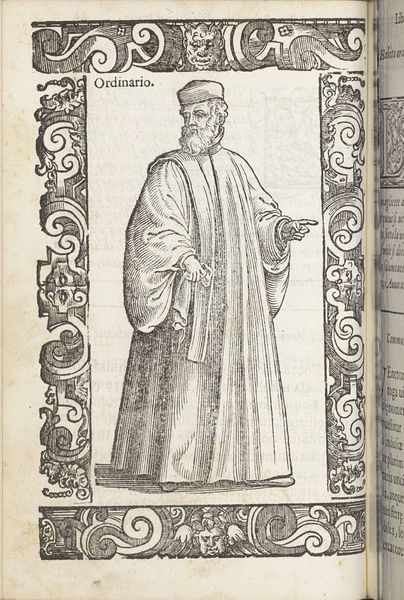
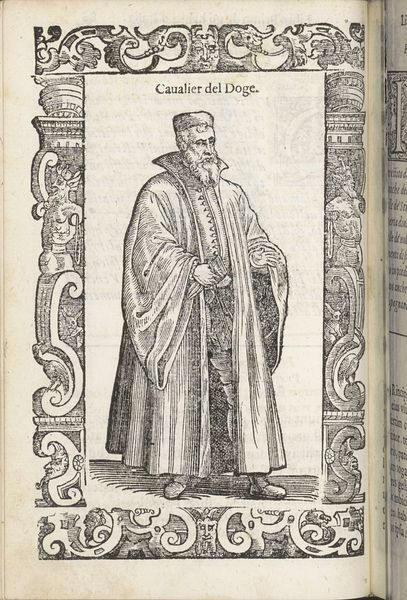
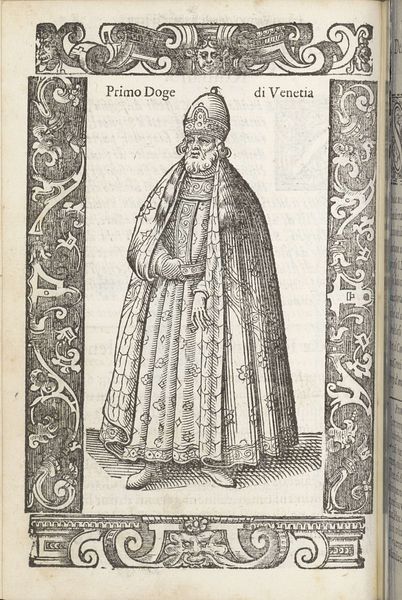
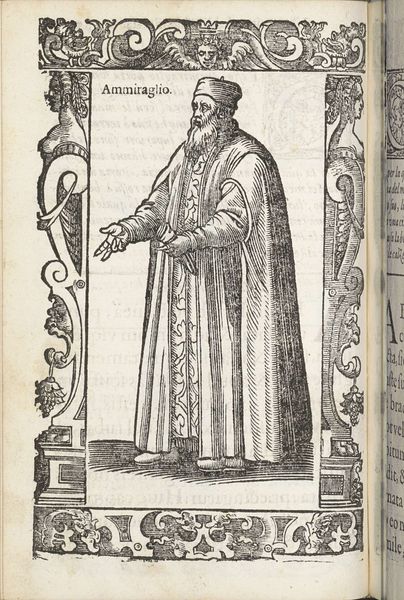
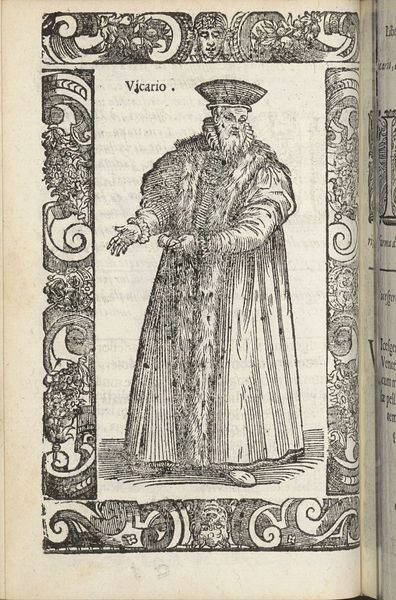
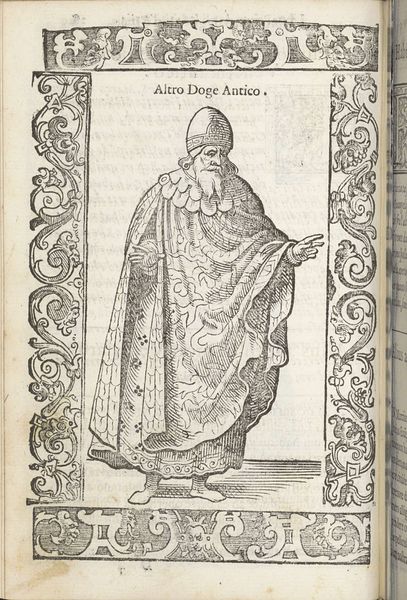
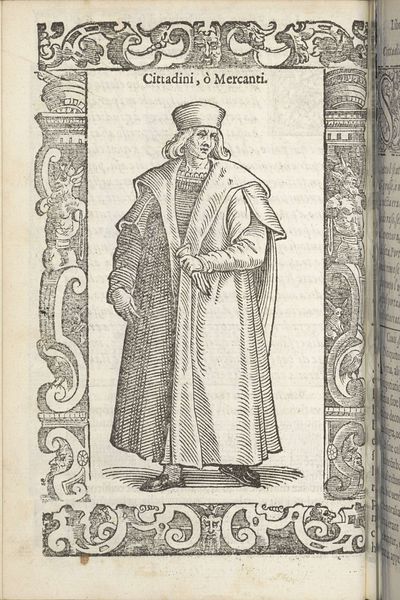
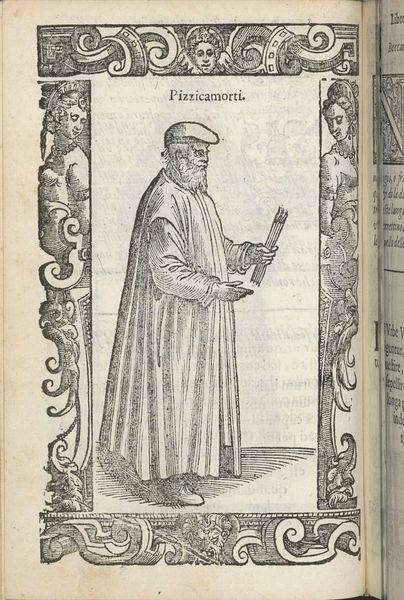
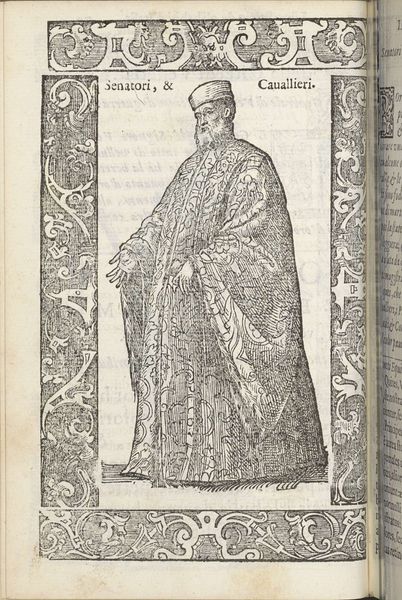
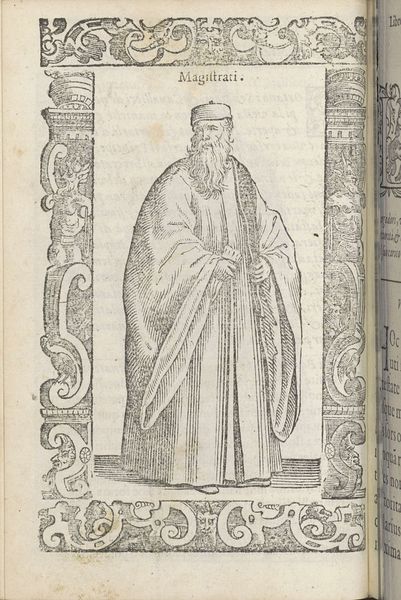
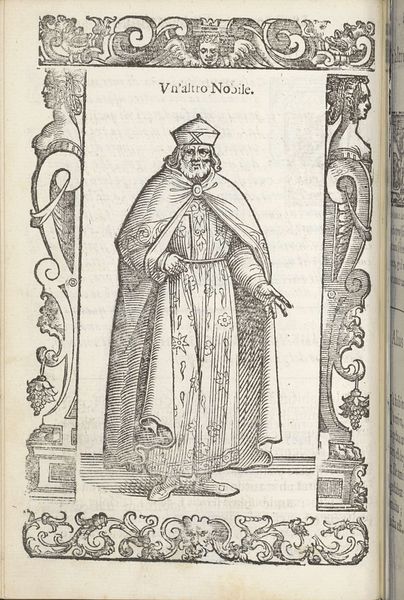
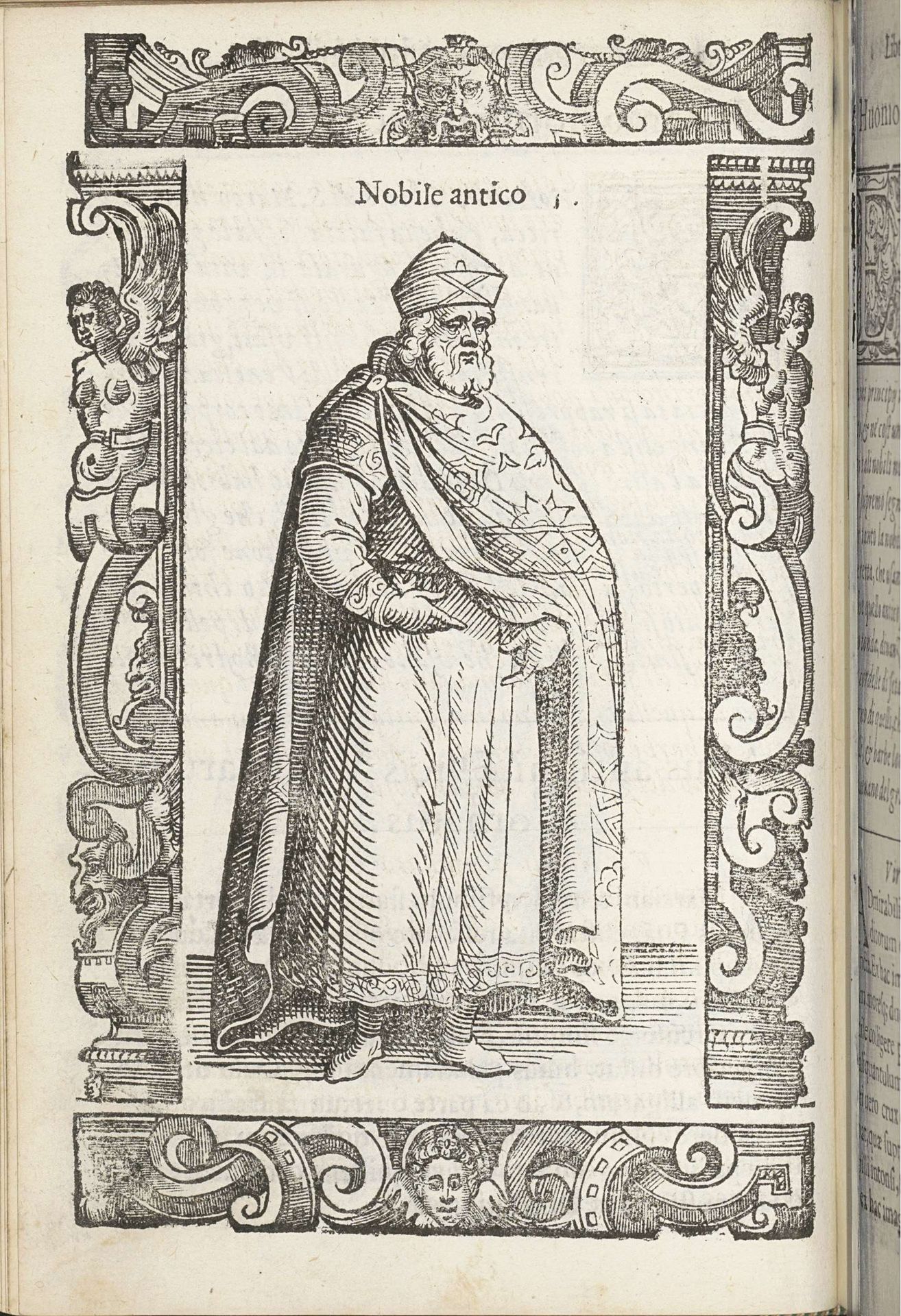
This engraving of an aristocratic gentleman from old Venice was created by Christoph Krieger. The image gives us a glimpse into the social hierarchy of old Venice. The man is formally dressed, his clothing a symbol of status, class, and power within Venetian society. Yet, by presenting this figure in the context of 'old Venice', the image also evokes a sense of historical distance. It asks us to reflect on the changing nature of social identity and the passage of time. What does it mean to be 'noble' or 'aristocratic', and how have these notions shifted over the centuries? The engraving might be viewed as an exploration of cultural memory, inviting us to question how societies construct their identities. What aspects of history do we choose to remember and celebrate, and what do we leave behind? The image prompts us to consider our own emotional and intellectual relationship with the past.

Artwork details
- Medium
- print, engraving
- Dimensions
- height 167 mm, width 125 mm
- Copyright
- Rijks Museum: Open Domain
Tags
portrait
figuration
11_renaissance
line
history-painting
italian-renaissance
engraving
calligraphy
Comments
No comments
About this artwork
This engraving of an aristocratic gentleman from old Venice was created by Christoph Krieger. The image gives us a glimpse into the social hierarchy of old Venice. The man is formally dressed, his clothing a symbol of status, class, and power within Venetian society. Yet, by presenting this figure in the context of 'old Venice', the image also evokes a sense of historical distance. It asks us to reflect on the changing nature of social identity and the passage of time. What does it mean to be 'noble' or 'aristocratic', and how have these notions shifted over the centuries? The engraving might be viewed as an exploration of cultural memory, inviting us to question how societies construct their identities. What aspects of history do we choose to remember and celebrate, and what do we leave behind? The image prompts us to consider our own emotional and intellectual relationship with the past.
Comments
No comments