About this artwork
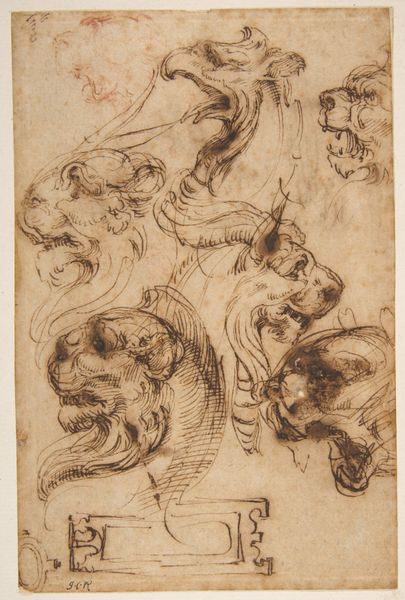
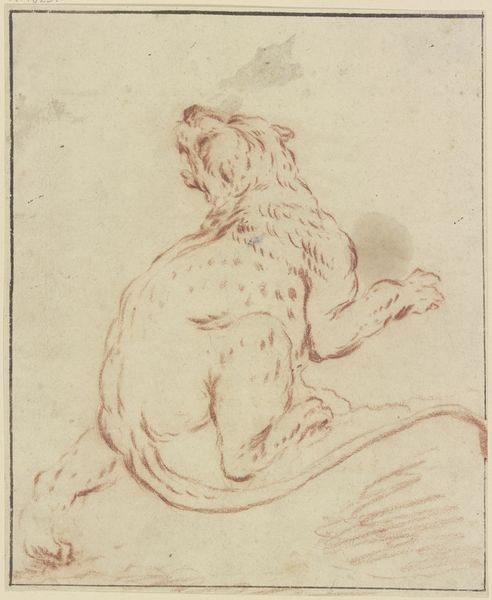
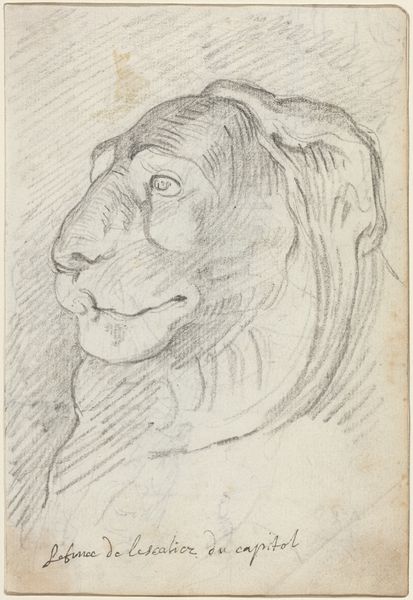
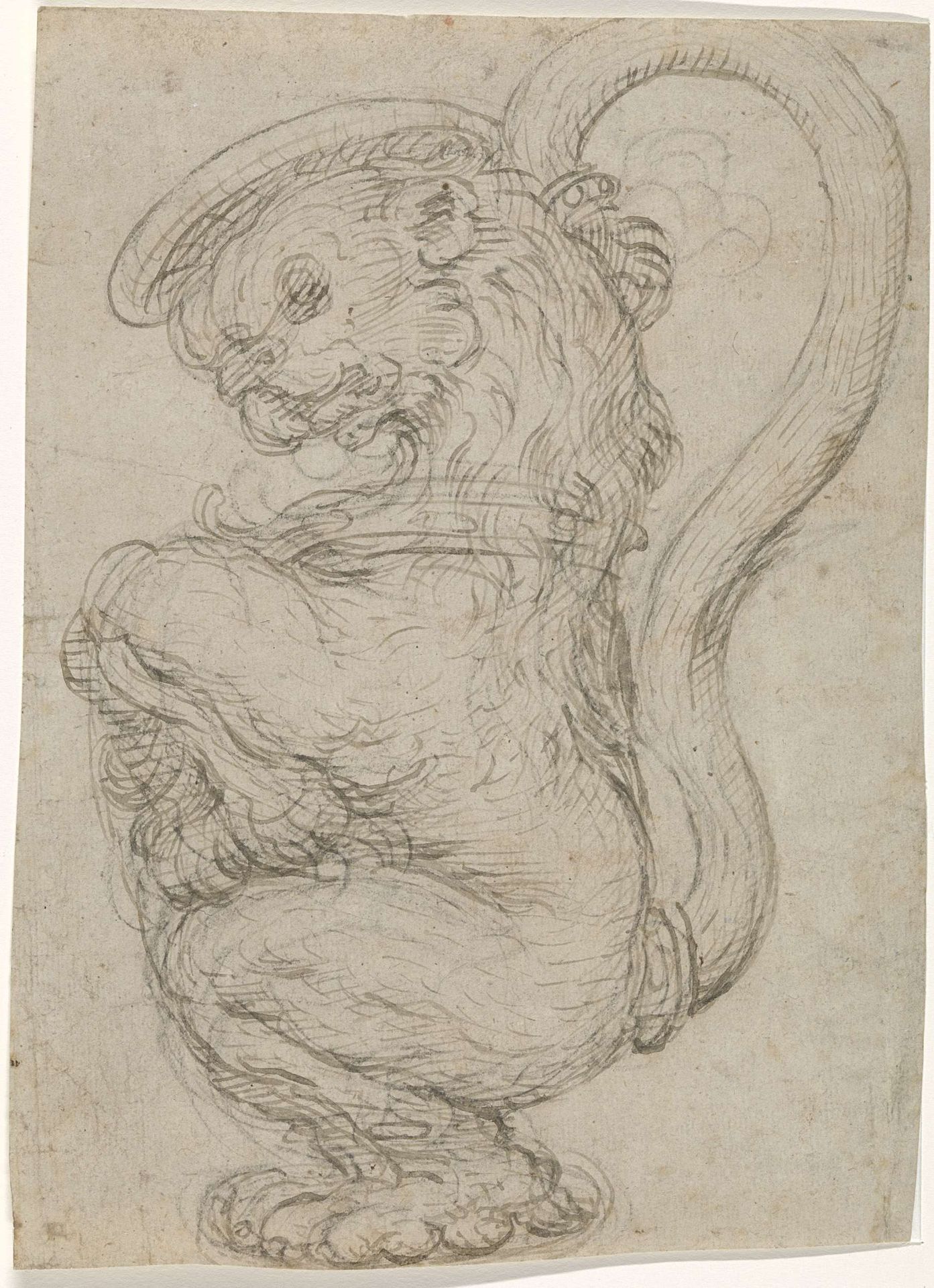
This is Lattanzio Gambara's sketch of a ewer in the form of a lion, made sometime in the mid-16th century. During this time, the Italian Renaissance was in full swing, and artists frequently looked to classical antiquity for inspiration. Here, Gambara embodies the Renaissance fascination with the natural world, combined with the era's penchant for symbolism. Lions in Renaissance art are often associated with strength, courage, and nobility, traits admired and emulated by the aristocracy. This design would have appealed to wealthy patrons looking to display their power and status through luxurious household items. However, it is crucial to consider the historical context in which such symbols were produced. The Renaissance was also a period of intense social hierarchy. While the lion might represent noble virtues, it also reflects the vast disparities in wealth and power between the elite and the working class. The emotional weight of this piece lies in its tension between aesthetic beauty and social critique.
Ontwerp van een schenkkan in de vorm van en leeuw c. 1555s - 1565s

Artwork details
- Medium
- drawing, pencil
- Dimensions
- height 283 mm, width 205 mm
- Copyright
- Rijks Museum: Open Domain
Tags
drawing
pencil sketch
form
11_renaissance
pencil
line
pencil work
Comments
No comments
About this artwork
This is Lattanzio Gambara's sketch of a ewer in the form of a lion, made sometime in the mid-16th century. During this time, the Italian Renaissance was in full swing, and artists frequently looked to classical antiquity for inspiration. Here, Gambara embodies the Renaissance fascination with the natural world, combined with the era's penchant for symbolism. Lions in Renaissance art are often associated with strength, courage, and nobility, traits admired and emulated by the aristocracy. This design would have appealed to wealthy patrons looking to display their power and status through luxurious household items. However, it is crucial to consider the historical context in which such symbols were produced. The Renaissance was also a period of intense social hierarchy. While the lion might represent noble virtues, it also reflects the vast disparities in wealth and power between the elite and the working class. The emotional weight of this piece lies in its tension between aesthetic beauty and social critique.
Comments
No comments