About this artwork
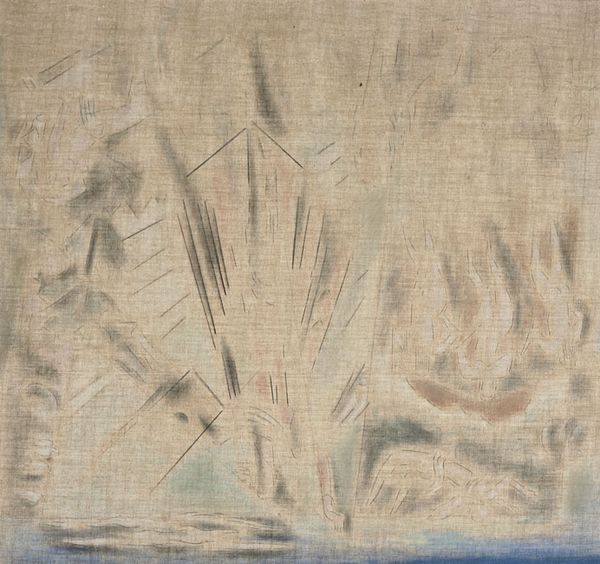
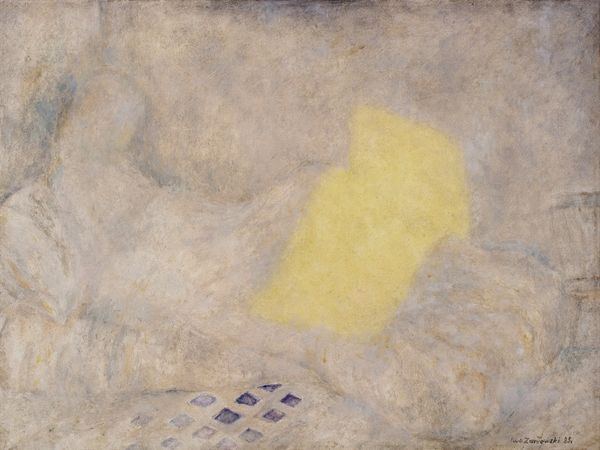
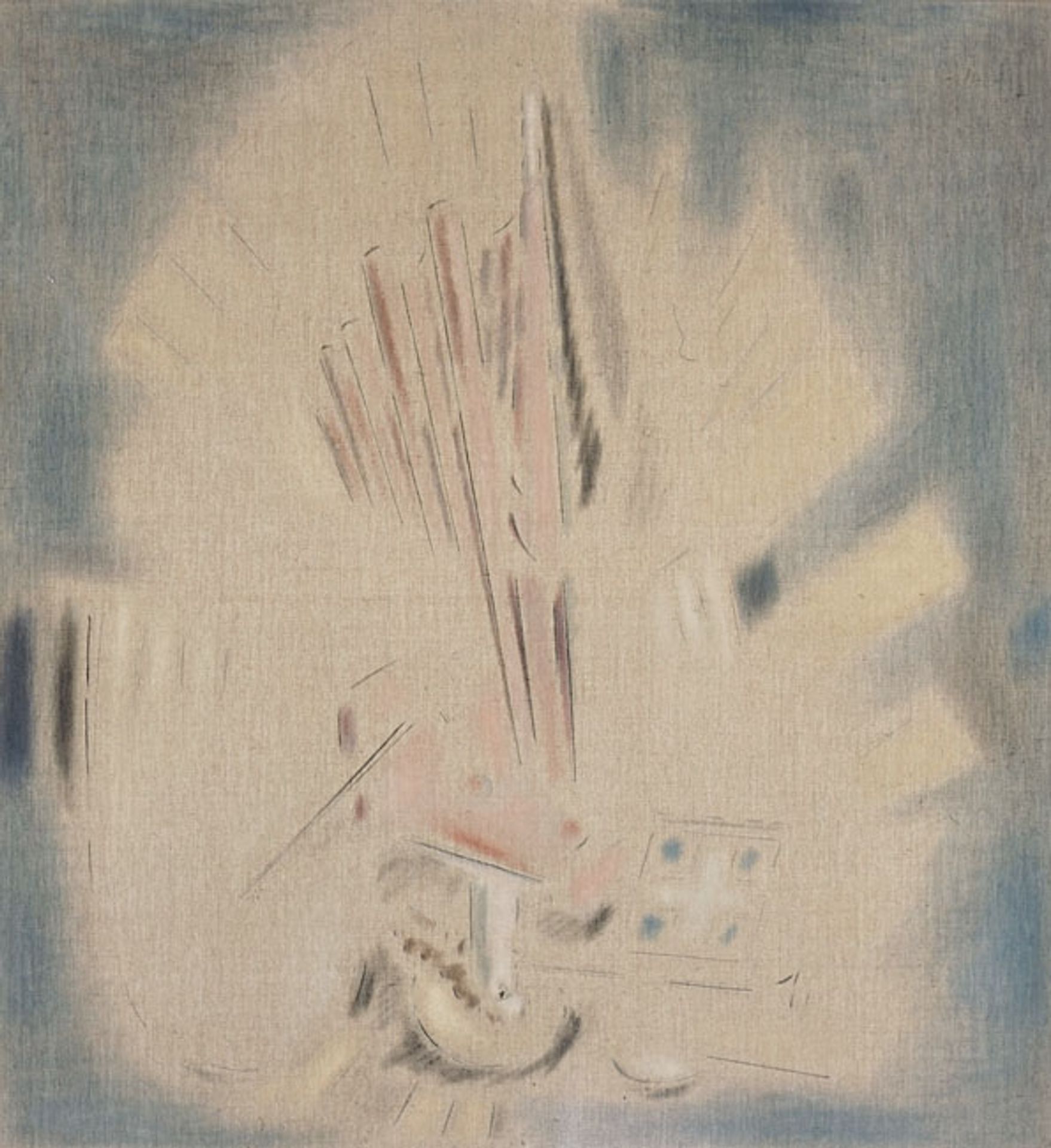
Konstantinos Parthenis created this painting, Victory, using oil on canvas. See how the radiant light envelops a series of vertical lines that suggest classical columns and perhaps even a triumphant, winged figure. The symbol of victory, deeply rooted in classical antiquity, transcends mere conquest. Think of Nike, the Greek goddess whose image has graced countless monuments—heralding triumph and divine favor. You see echoes of such imagery here. The columns, while abstract, conjure a sense of enduring strength, reminiscent of ancient temples built to honor victorious deeds. Yet, Parthenis abstracts these symbols, presenting them through a dreamlike haze. What does it mean to evoke such powerful motifs in this way? It's as if the collective memory of victory, deeply embedded in the subconscious, is being reinterpreted through a modern lens. Parthenis captures not just the historical event, but its lingering psychological resonance. Symbols evolve, take on new life, and resurface in unexpected forms. The image becomes a powerful reminder of the cyclical nature of history.
Victory

Konstantinos Parthenis
1878 - 1967Location
National Art Gallery (Alexandros Soutzos Museum), Athens, GreeceArtwork details
- Medium
- drawing, painting, pastel
- Dimensions
- 95 x 90 cm
- Location
- National Art Gallery (Alexandros Soutzos Museum), Athens, Greece
- Copyright
- Konstantinos Parthenis,Fair Use
Tags
Comments
Share your thoughts
About this artwork
Konstantinos Parthenis created this painting, Victory, using oil on canvas. See how the radiant light envelops a series of vertical lines that suggest classical columns and perhaps even a triumphant, winged figure. The symbol of victory, deeply rooted in classical antiquity, transcends mere conquest. Think of Nike, the Greek goddess whose image has graced countless monuments—heralding triumph and divine favor. You see echoes of such imagery here. The columns, while abstract, conjure a sense of enduring strength, reminiscent of ancient temples built to honor victorious deeds. Yet, Parthenis abstracts these symbols, presenting them through a dreamlike haze. What does it mean to evoke such powerful motifs in this way? It's as if the collective memory of victory, deeply embedded in the subconscious, is being reinterpreted through a modern lens. Parthenis captures not just the historical event, but its lingering psychological resonance. Symbols evolve, take on new life, and resurface in unexpected forms. The image becomes a powerful reminder of the cyclical nature of history.
Comments
Share your thoughts