About this artwork
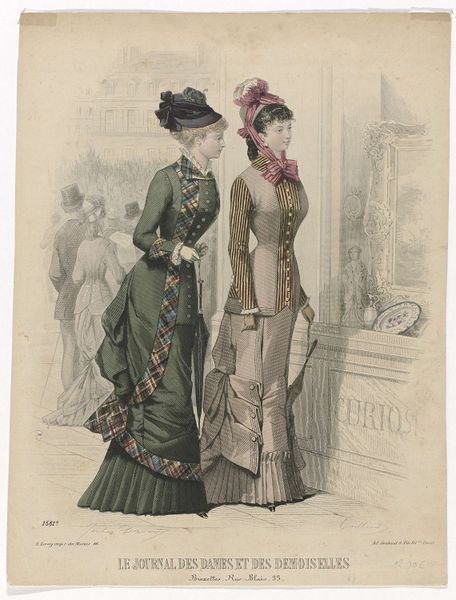
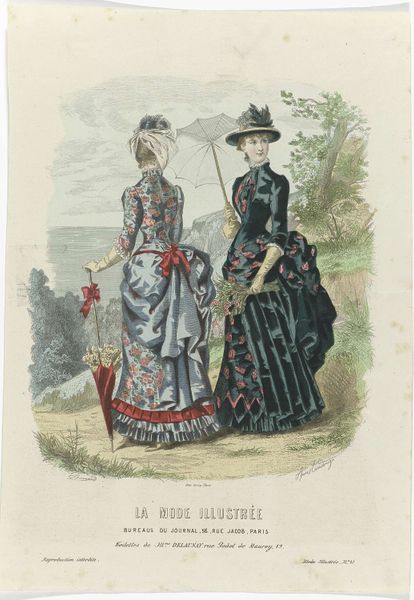
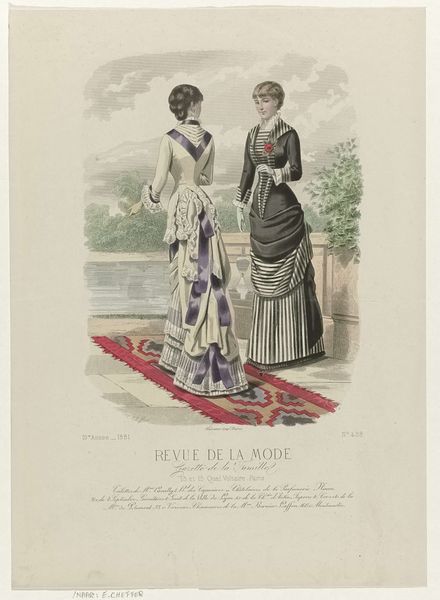
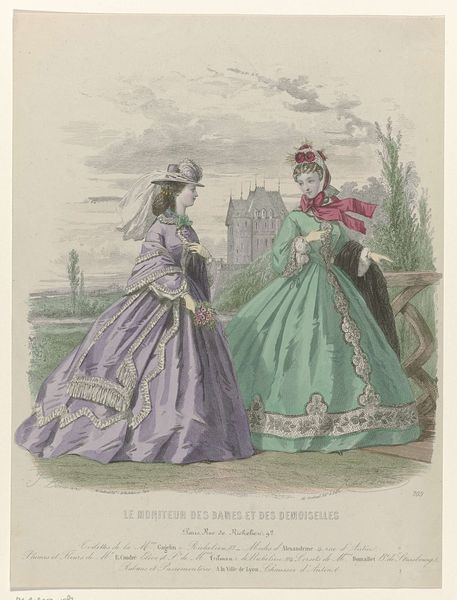
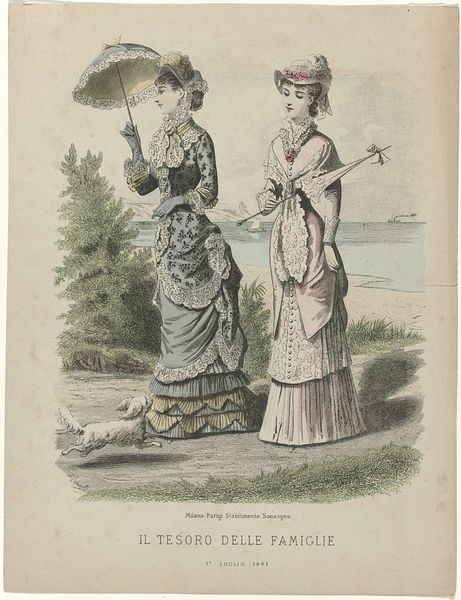
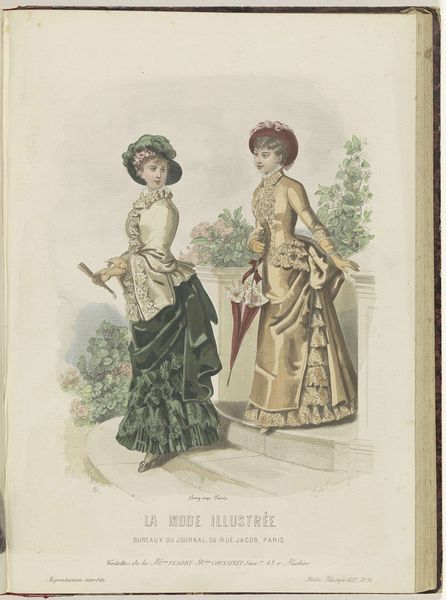
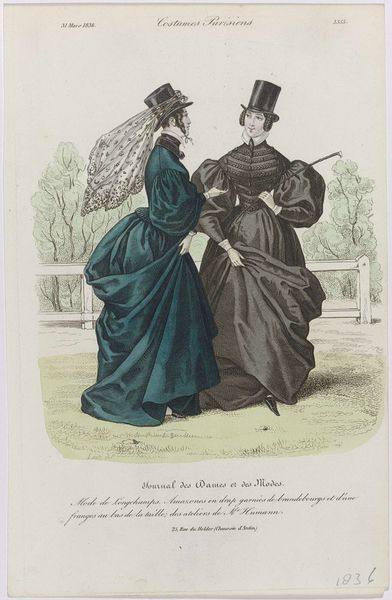
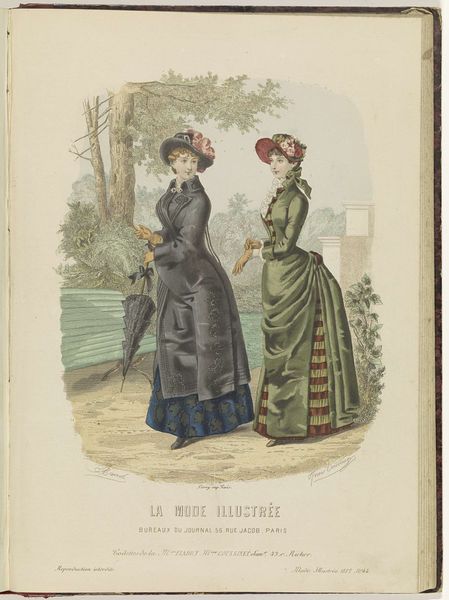
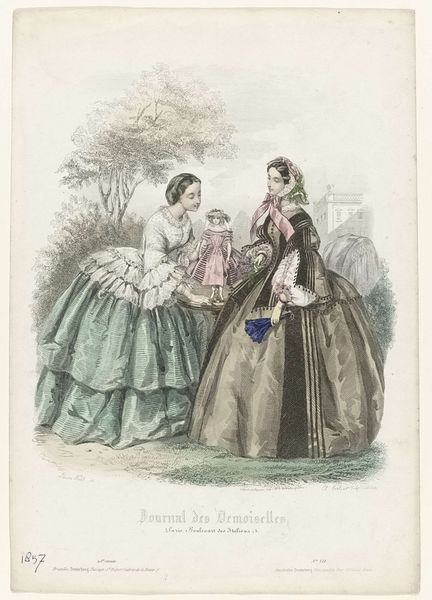
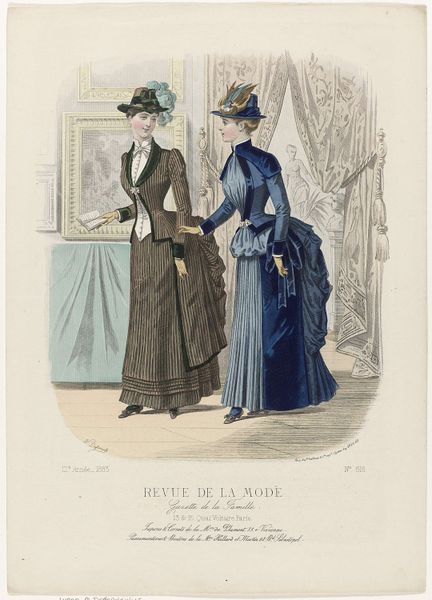
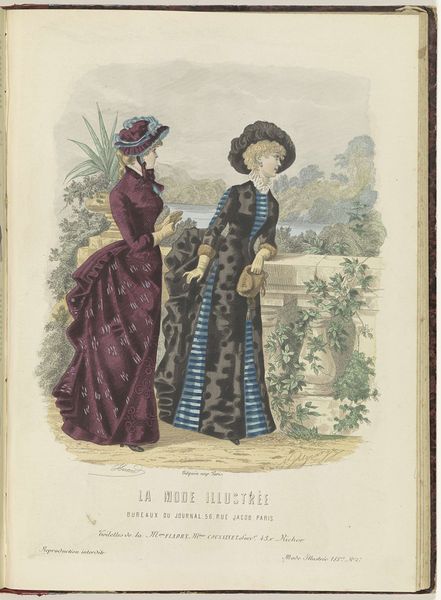
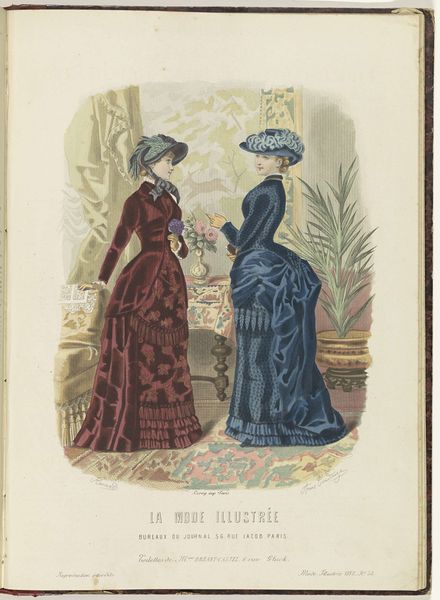
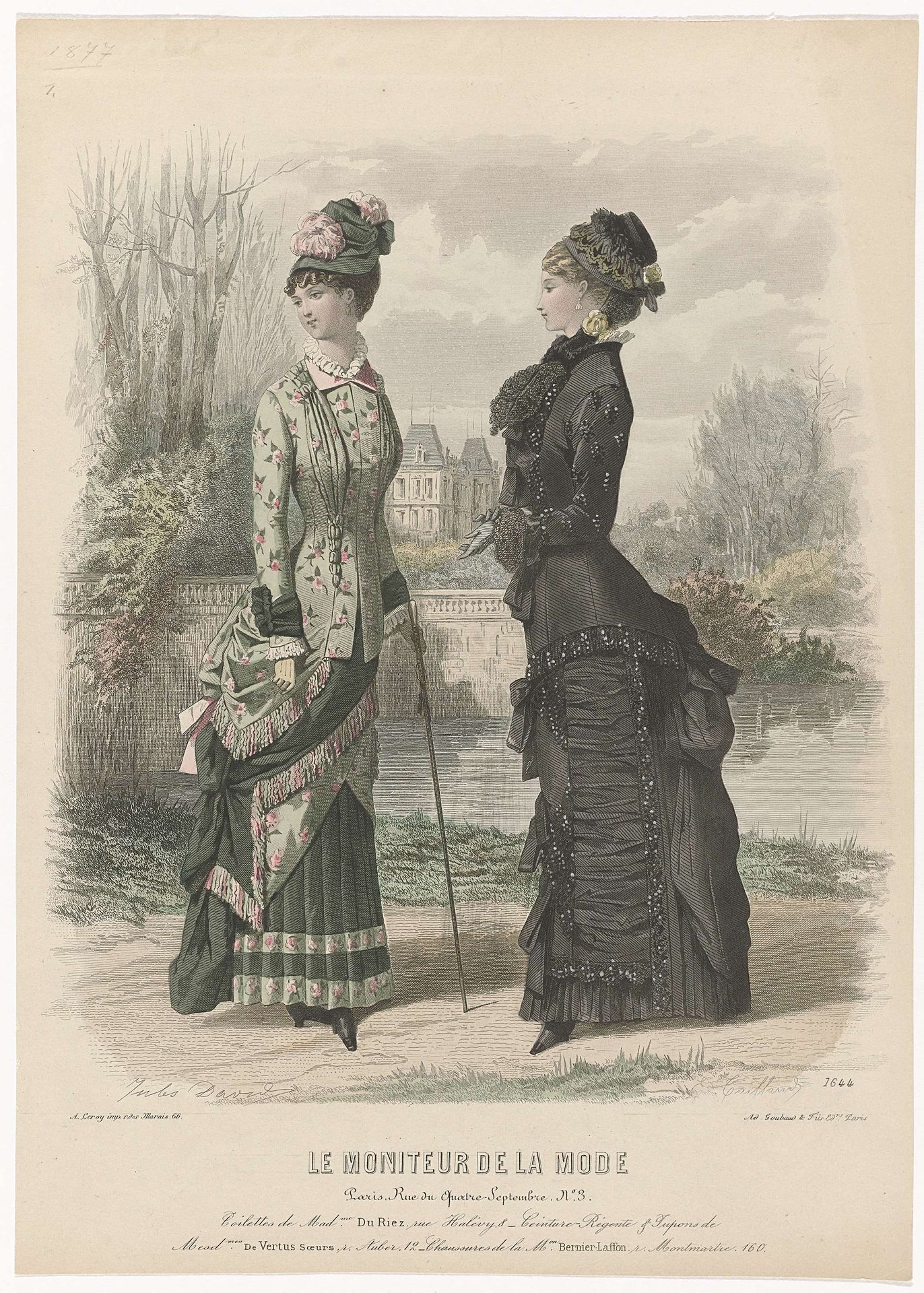
Edouard Tailland made this print, "Le Moniteur de la Mode," in 1879. It appeared in a periodical of the same name, one of many such journals that arose in France to meet the growing demand for news and information. Here we see two women displaying the latest fashions. The image creates meaning through visual codes, cultural references, and historical associations. In 1879, France was a republic again, but still feeling the effects of the Franco-Prussian War and the Paris Commune. These journals helped to promote French industry and design, and they also offered a vision of bourgeois life that was both aspirational and conservative. Fashion plates like this one show us the material culture of the time, but they also tell us about the social and economic forces that shaped it. Art historians can use sources like periodicals, advertisements, and social media to understand art. Ultimately, art always speaks to its own time.
Le Moniteur de la Mode, 1879, No. 1644 : Toilettes de Madme Du Riez (...)
1879

Artwork details
- Medium
- print, intaglio
- Dimensions
- height 324 mm, width 232 mm
- Copyright
- Rijks Museum: Open Domain
Tags
Comments
Share your thoughts
About this artwork
Edouard Tailland made this print, "Le Moniteur de la Mode," in 1879. It appeared in a periodical of the same name, one of many such journals that arose in France to meet the growing demand for news and information. Here we see two women displaying the latest fashions. The image creates meaning through visual codes, cultural references, and historical associations. In 1879, France was a republic again, but still feeling the effects of the Franco-Prussian War and the Paris Commune. These journals helped to promote French industry and design, and they also offered a vision of bourgeois life that was both aspirational and conservative. Fashion plates like this one show us the material culture of the time, but they also tell us about the social and economic forces that shaped it. Art historians can use sources like periodicals, advertisements, and social media to understand art. Ultimately, art always speaks to its own time.
Comments
Share your thoughts