About this artwork
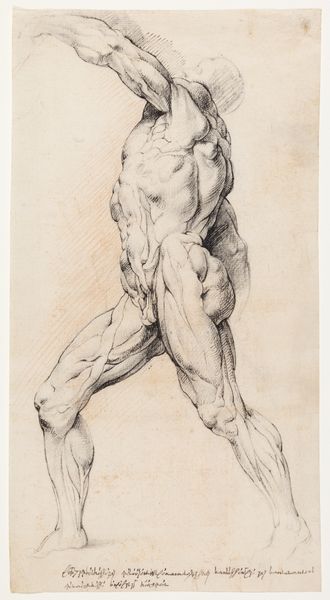
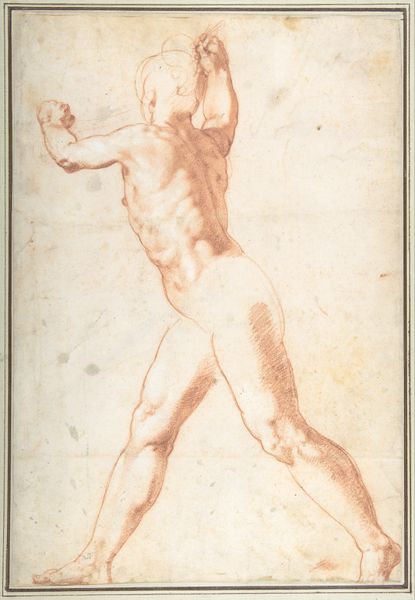
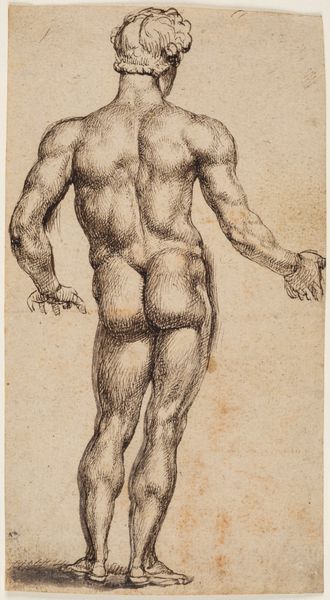
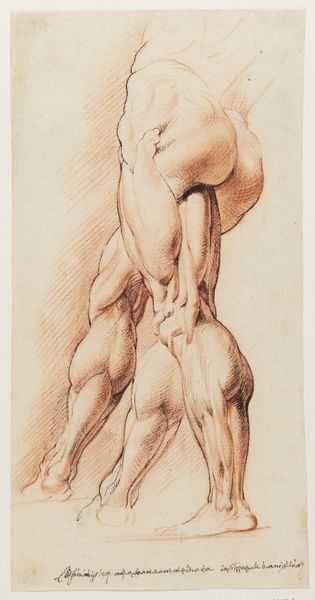
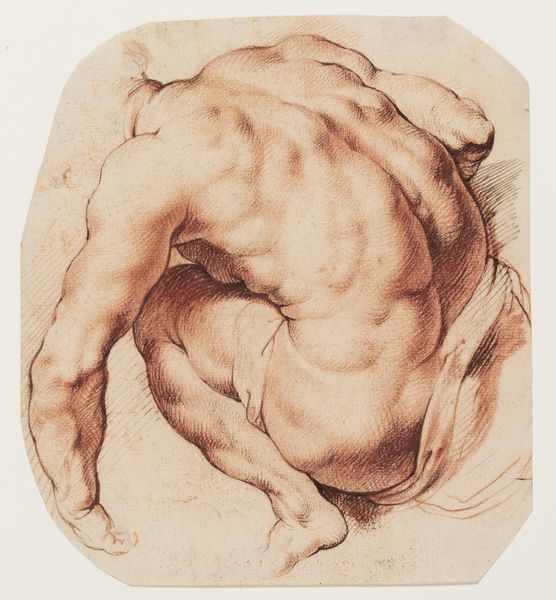
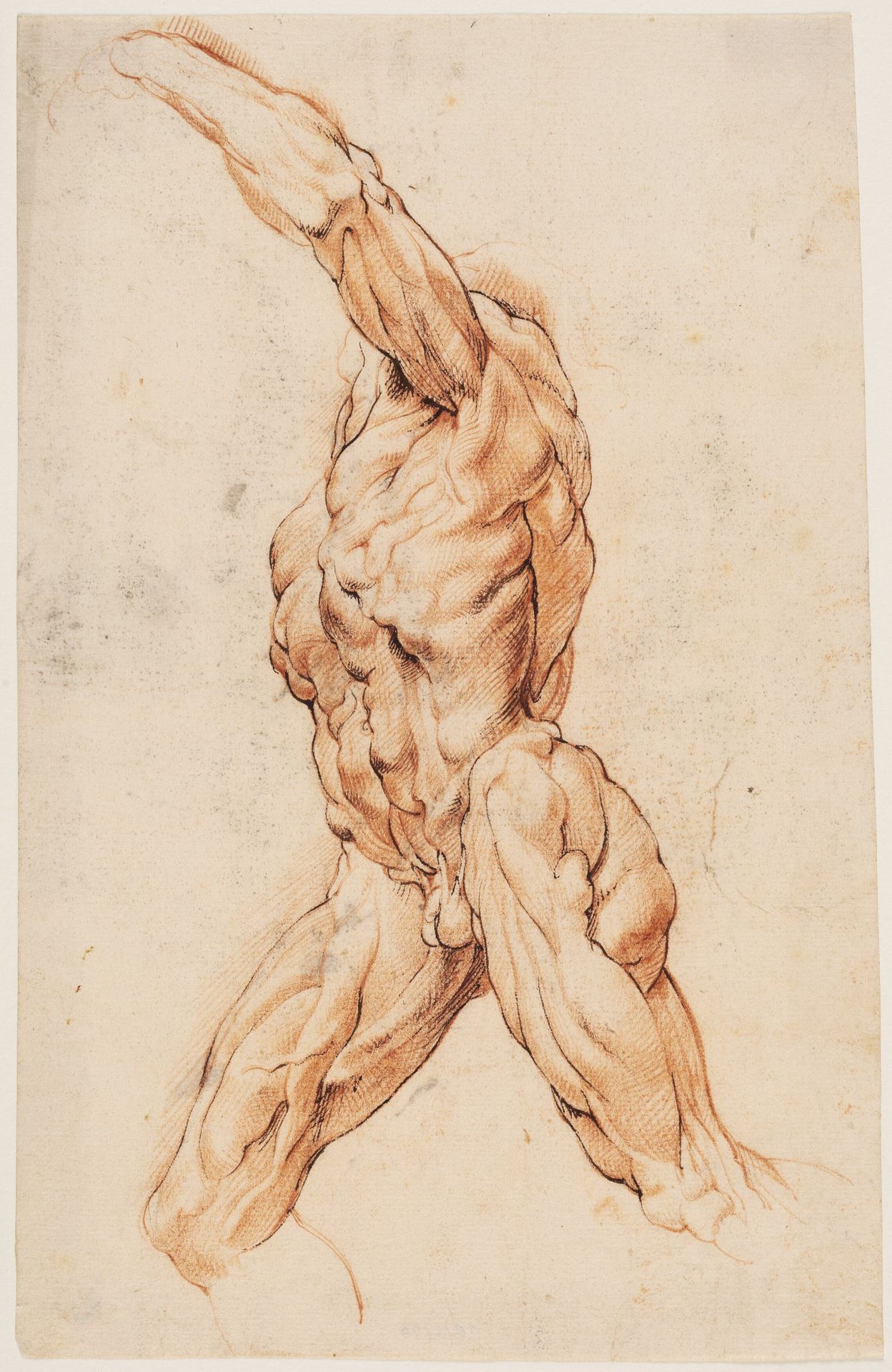
Willem Panneels created this anatomical study with pen and brown ink in the 17th-century. The écorché, or flayed figure, has a long history in anatomical illustration but also in the visual arts. Here, Panneels depicts a man with his skin removed, revealing the muscles beneath, walking purposefully with a raised arm. Drawings like this one, made in the Netherlands, served as important educational tools during a time when medical and artistic knowledge were closely linked, and both relied on observation and direct study of the human body. This one is a copy after the Flemish artist Peter Paul Rubens. The history of science provides us with invaluable context. By looking into medical texts, anatomical theaters, and the exchange of knowledge between artists and scientists during this period, we can better understand the cultural significance of these images. The public role of such art was primarily educational but it also reflects a fascination with the human body, a growing scientific curiosity, and the changing social status of artists.
Anatomical Study (écorchés). Walking flayed man turned to the left
1628 - 1630


Artwork details
- Medium
- drawing, charcoal
- Dimensions
- 268 mm (height) x 173 mm (width) (bladmaal)
- Location
- SMK - Statens Museum for Kunst
Tags
Comments
Share your thoughts
About this artwork
Willem Panneels created this anatomical study with pen and brown ink in the 17th-century. The écorché, or flayed figure, has a long history in anatomical illustration but also in the visual arts. Here, Panneels depicts a man with his skin removed, revealing the muscles beneath, walking purposefully with a raised arm. Drawings like this one, made in the Netherlands, served as important educational tools during a time when medical and artistic knowledge were closely linked, and both relied on observation and direct study of the human body. This one is a copy after the Flemish artist Peter Paul Rubens. The history of science provides us with invaluable context. By looking into medical texts, anatomical theaters, and the exchange of knowledge between artists and scientists during this period, we can better understand the cultural significance of these images. The public role of such art was primarily educational but it also reflects a fascination with the human body, a growing scientific curiosity, and the changing social status of artists.
Comments
Share your thoughts