bronze, sculpture
#
sculpture
#
bronze
#
mannerism
#
figuration
#
form
#
sculpture
Copyright: Rijks Museum: Open Domain
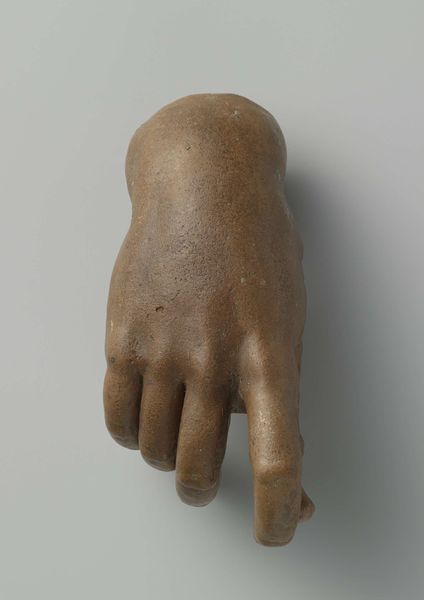
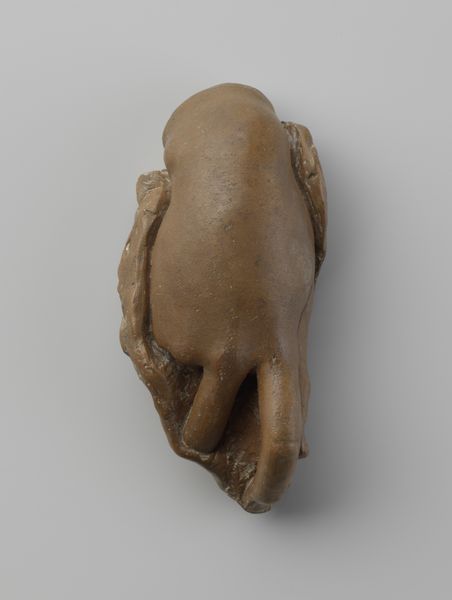
This study model of a hand was created by Johan Gregor van der Schardt in the 16th century. Van der Schardt worked in bronze, a material prized for its durability and ability to capture fine detail. The hand appears to have been cast using the lost wax method, a technique that dates back to ancient times. This process involves creating a wax model, encasing it in clay, melting out the wax, and then pouring molten bronze into the resulting mold. The final step is breaking away the clay to reveal the bronze casting. The artist skillfully renders the hand’s anatomy, including the knuckles, veins, and fingernails. The bronze material gives the sculpture a sense of weight and permanence. The choice of bronze also aligns with the Renaissance interest in classical art, where bronze was a favored material for sculpture. By understanding the materials and processes involved, we can appreciate the artist’s technical skill and the cultural context in which this work was created. This piece challenges the traditional distinctions between craft and fine art.
Comments

rijksmuseum over 2 years ago
⋮
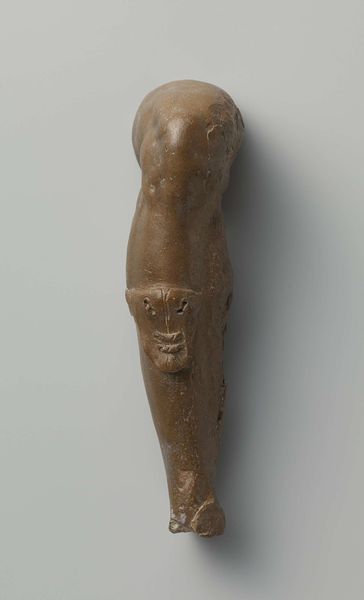
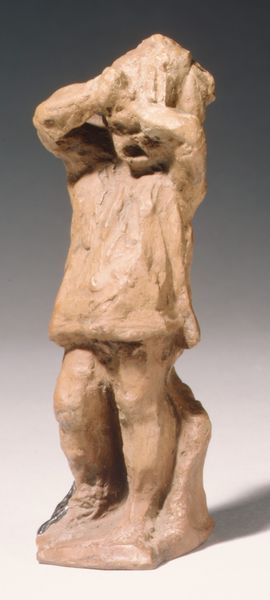
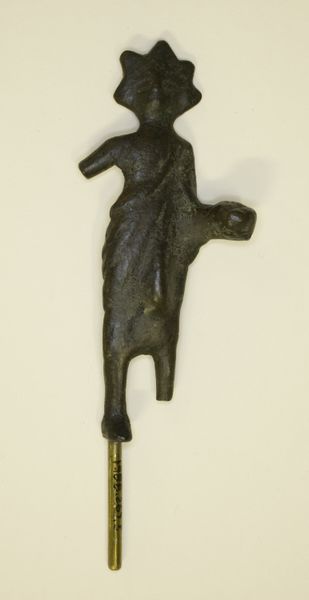
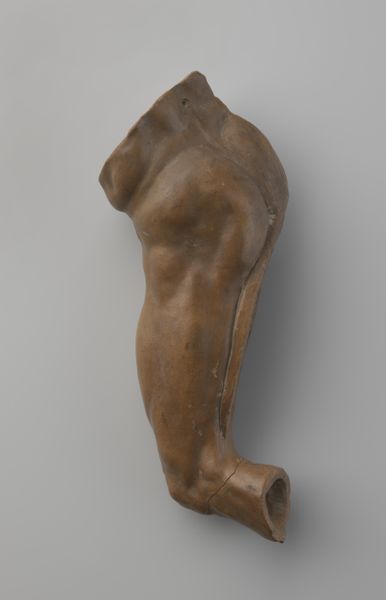
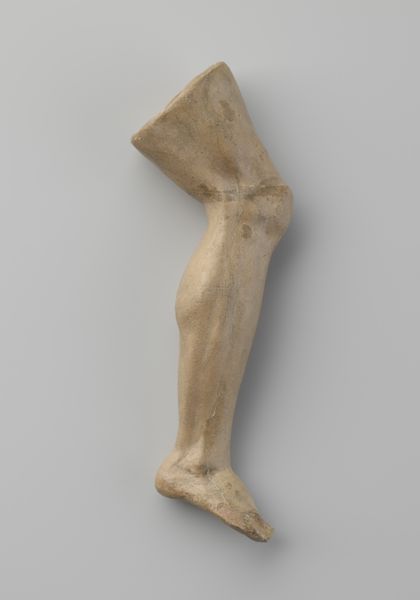
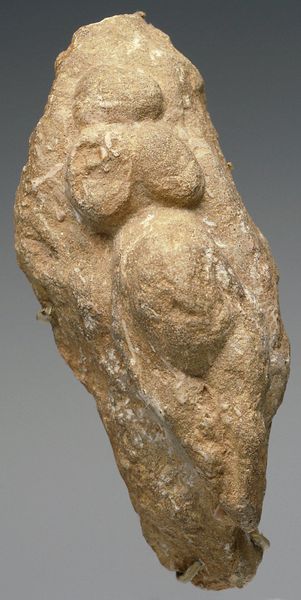
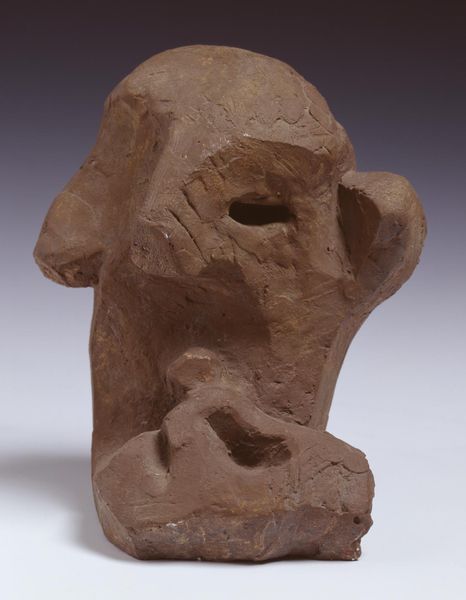
This group of small models of parts of the body are carefully copied after famous sculptures, in particular by Michelangelo, in Florence and Rome. They came from the workshop of the Nijmegen sculptor Johan Gregor van der Schardt, who had a successful career in Italy, Nuremberg, and Copenhagen. They are extremely rare examples of the, in part autograph, study material of a 16th-century sculptor.


Join the conversation
Join millions of artists and users on Artera today and experience the ultimate creative platform.
 Collect
More like this