About this artwork
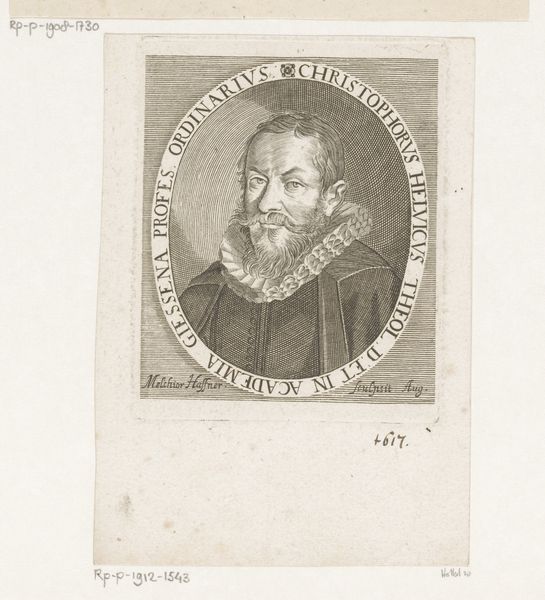
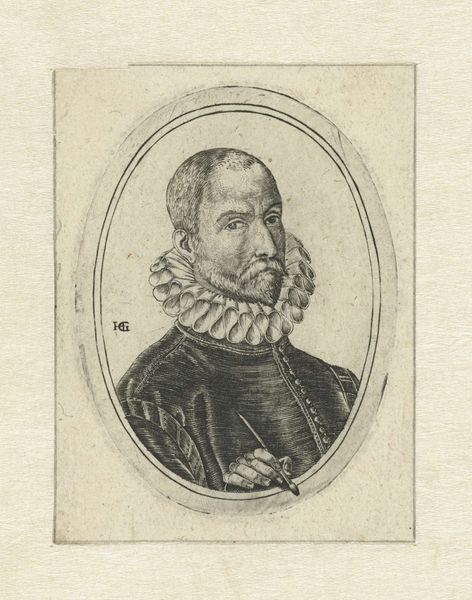
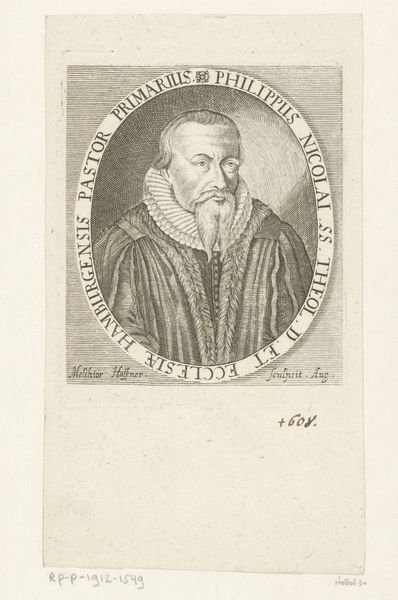
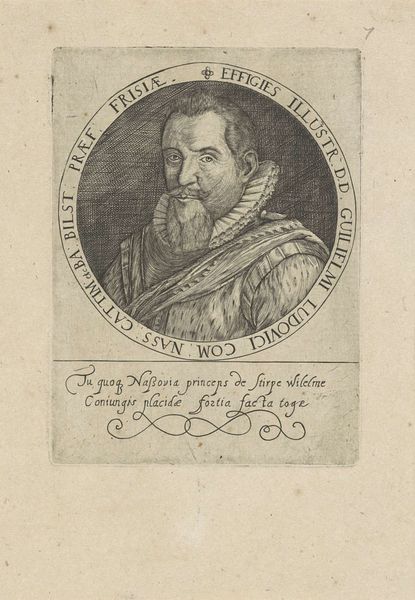
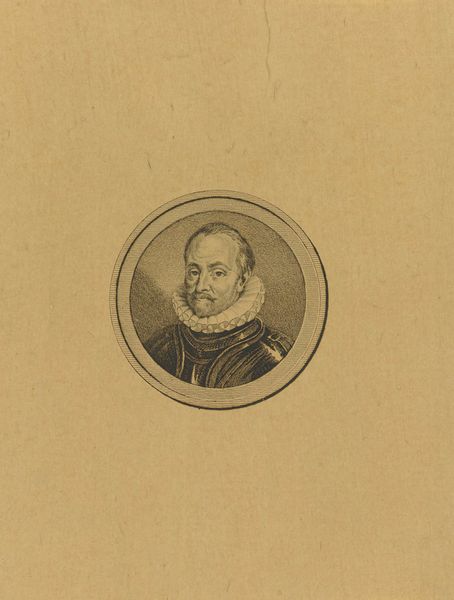
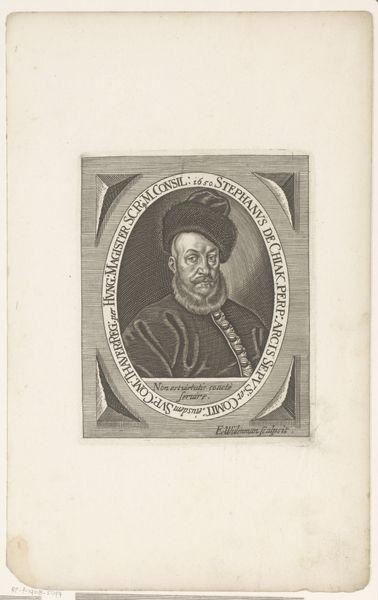
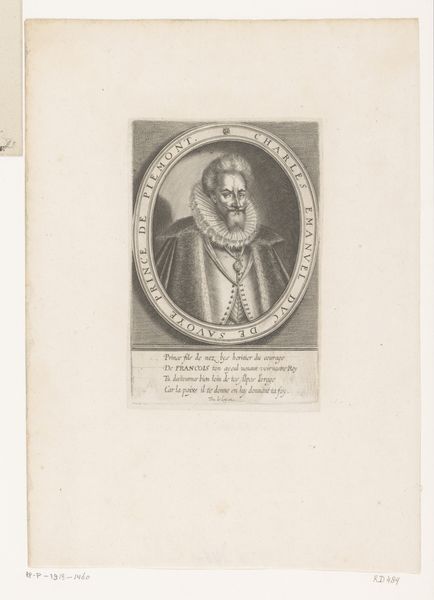
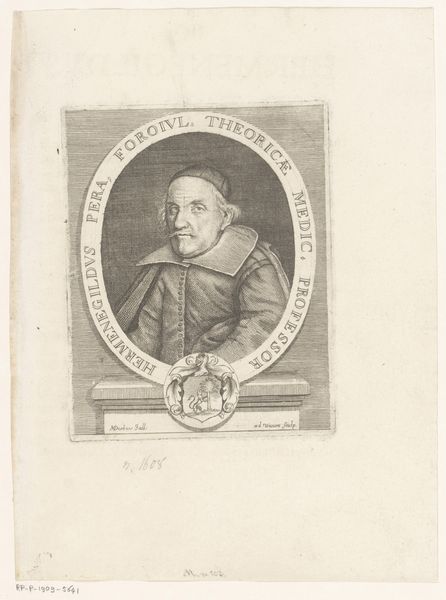
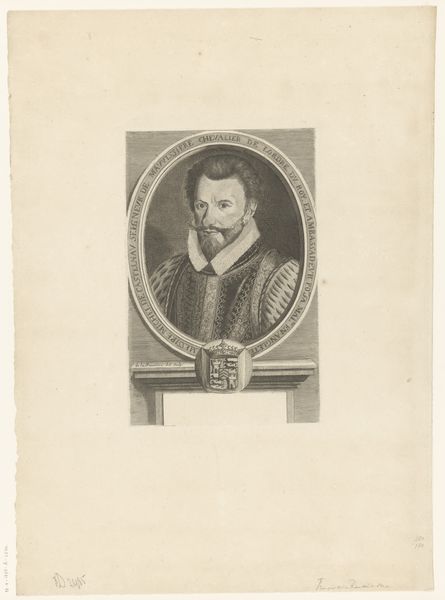
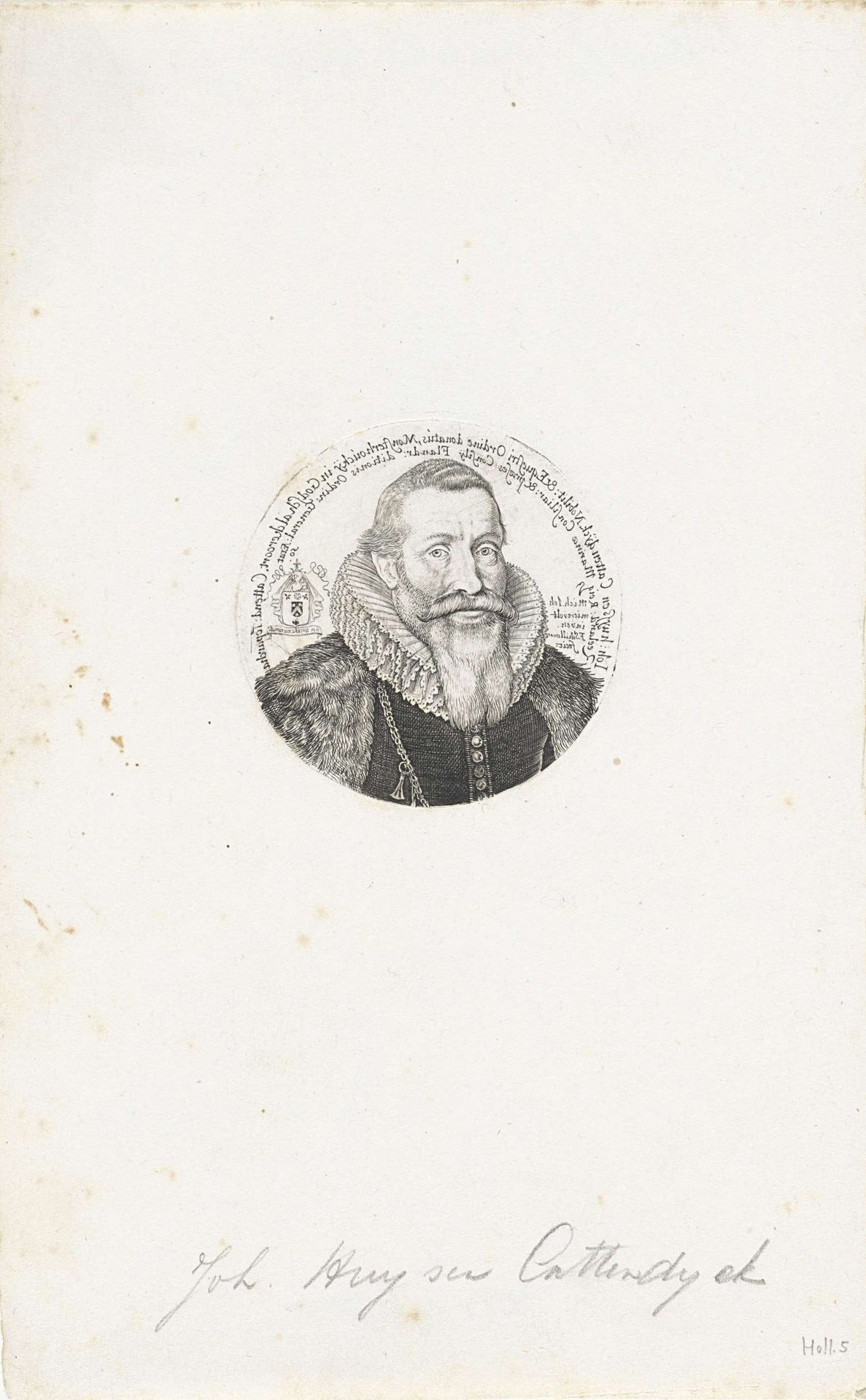
This portrait of Johan Huyssen van Kattendijke was engraved by François Schillemans in the 16th or 17th century. The subject is framed within a circle, a form echoing the Renaissance interest in classical antiquity and the perfection of the divine. Notice the ruff collar, a symbol of status and formality, which confines the neck but draws the eye, a sartorial echo of the period's social constraints. The coat of arms subtly placed to the side roots him in a lineage, in a tradition, but it’s the surrounding inscription that captures our attention; words as talismans, encircling and defining his existence. The image is not just a representation but an invocation. Consider the evolution of portraiture—from Roman busts to these early modern likenesses. Each iteration builds upon the last, adding layers of cultural meaning. The past never truly dies, it only transforms, resurfacing in new guises.
Portret van Johan Huyssen van Kattendijke
1585 - 1630

François Schillemans
1575 - 1630Location
RijksmuseumArtwork details
- Medium
- drawing, ink, engraving
- Location
- Rijksmuseum
- Copyright
- Rijks Museum: Open Domain
Tags
Comments
Share your thoughts
About this artwork
This portrait of Johan Huyssen van Kattendijke was engraved by François Schillemans in the 16th or 17th century. The subject is framed within a circle, a form echoing the Renaissance interest in classical antiquity and the perfection of the divine. Notice the ruff collar, a symbol of status and formality, which confines the neck but draws the eye, a sartorial echo of the period's social constraints. The coat of arms subtly placed to the side roots him in a lineage, in a tradition, but it’s the surrounding inscription that captures our attention; words as talismans, encircling and defining his existence. The image is not just a representation but an invocation. Consider the evolution of portraiture—from Roman busts to these early modern likenesses. Each iteration builds upon the last, adding layers of cultural meaning. The past never truly dies, it only transforms, resurfacing in new guises.
Comments
Share your thoughts