1896
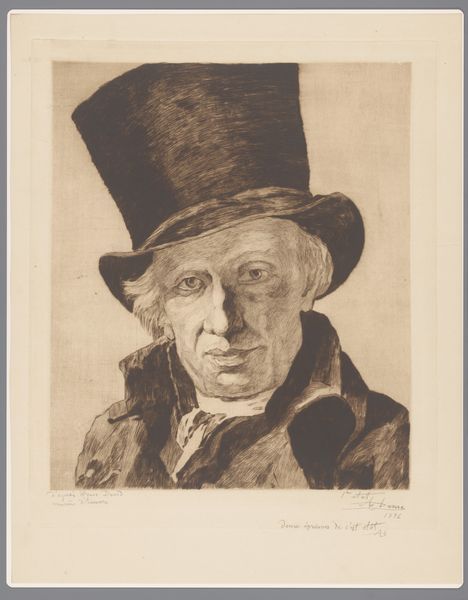
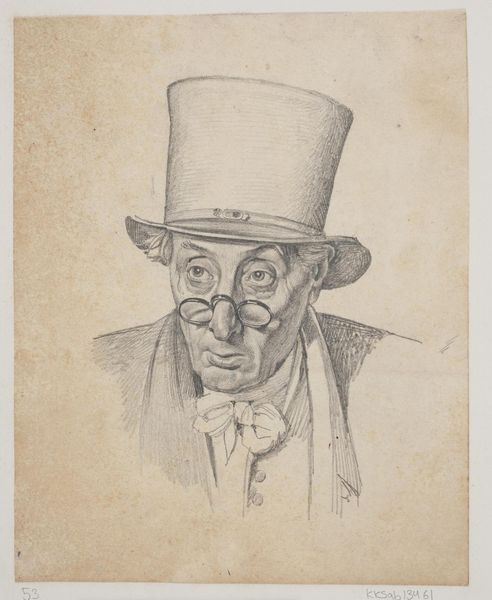
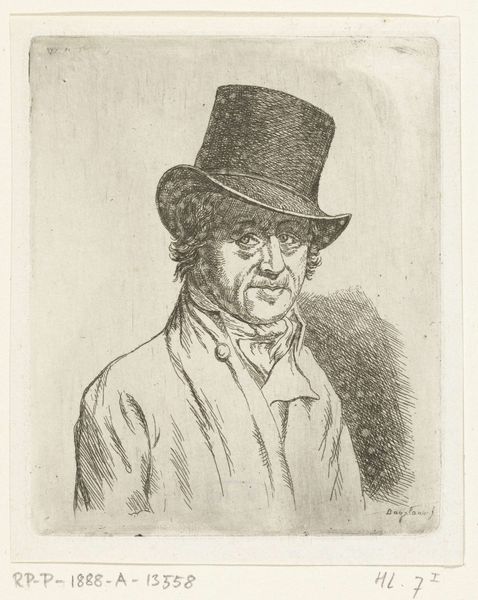
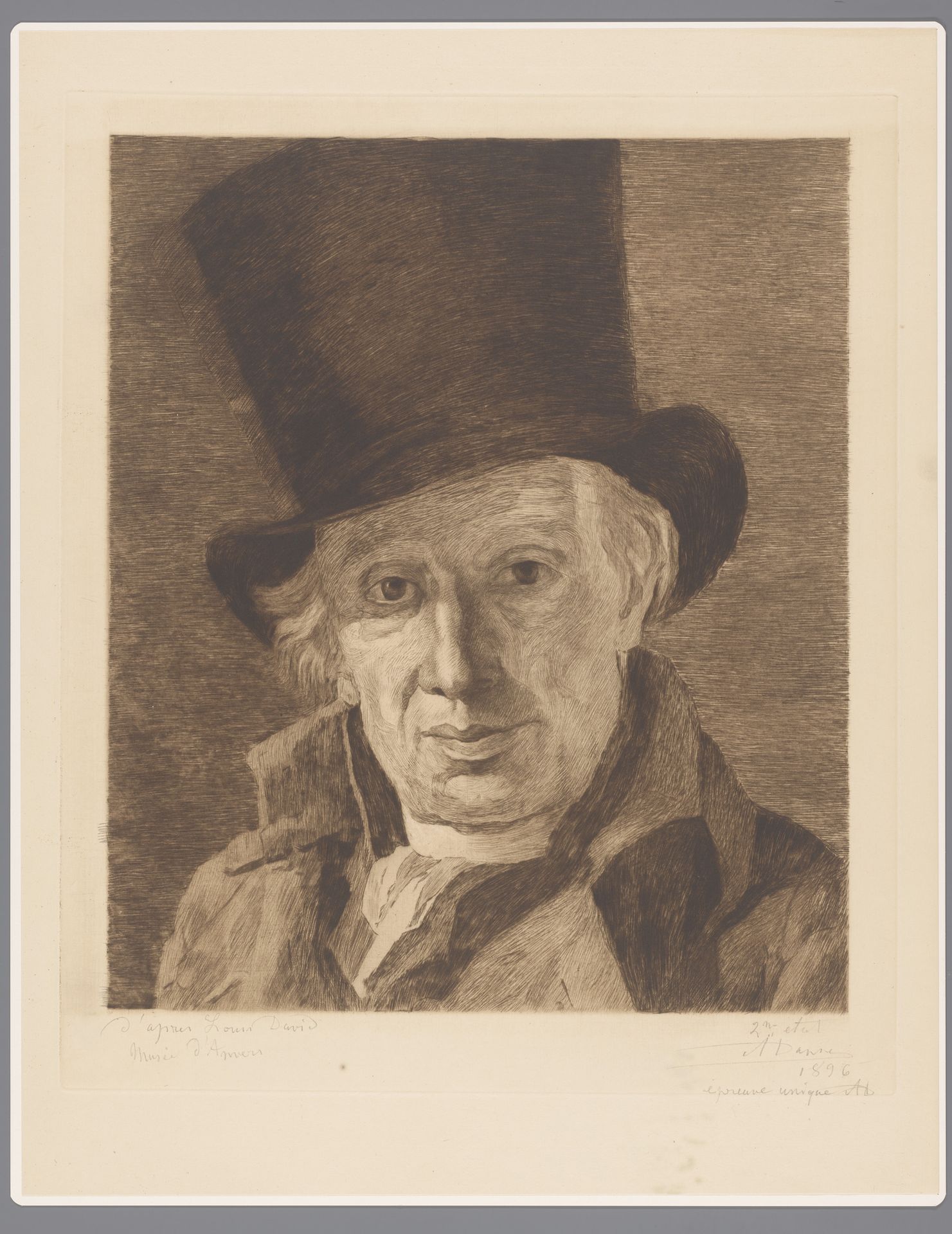
Heer met een hoge hoed

Auguste Danse
1829 - 1929Location
RijksmuseumListen to curator's interpretation
Curatorial notes
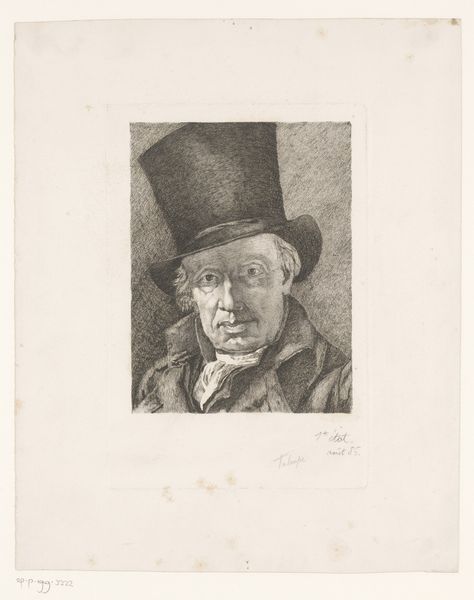
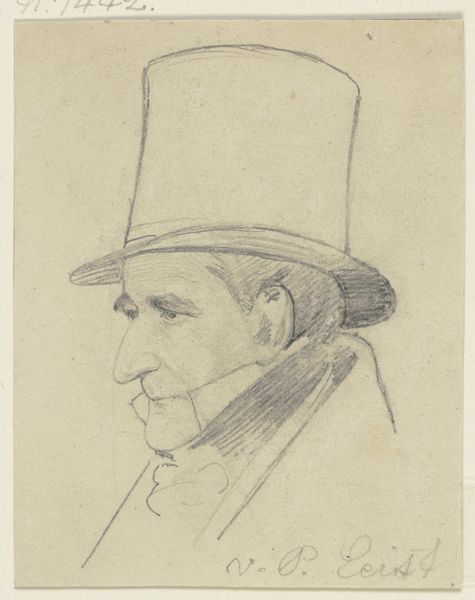
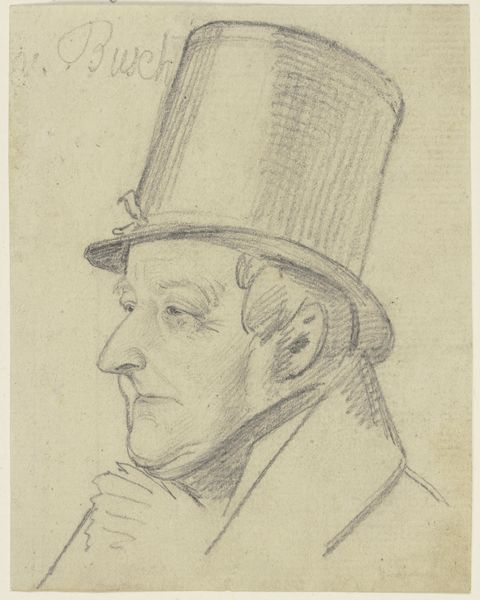
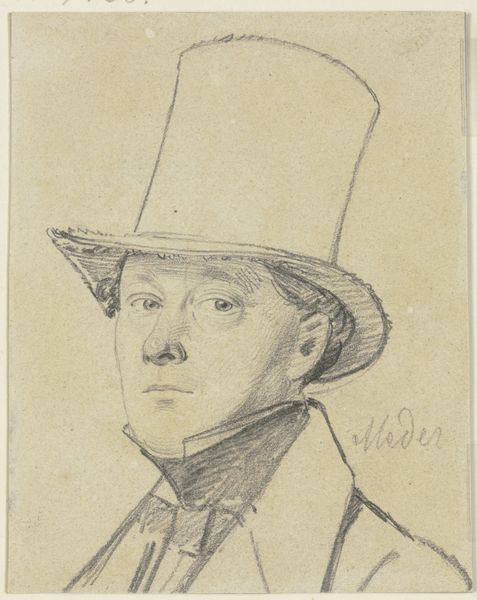
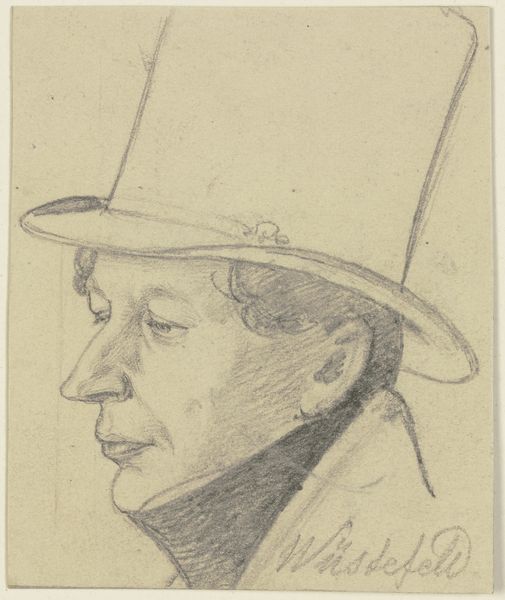
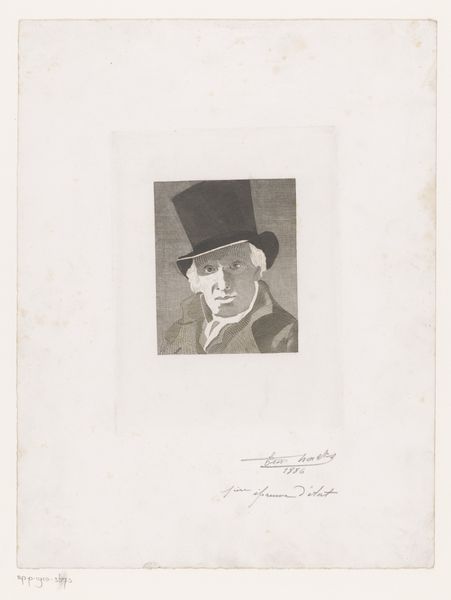
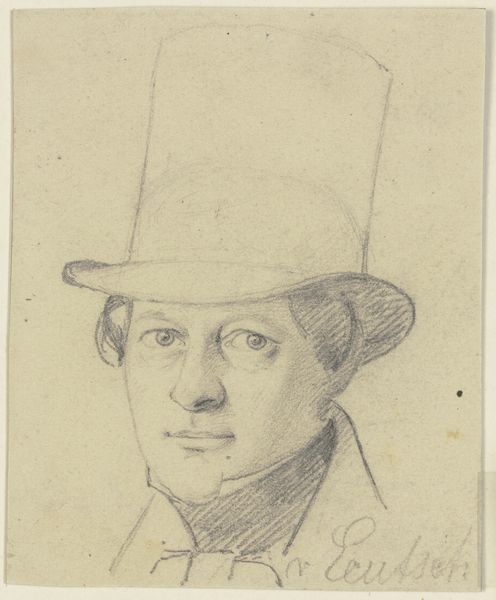
Auguste Danse created this etching, "Heer met een hoge hoed," which translates to "Gentleman with a Top Hat," sometime in the 19th century. This work exemplifies the era's fascination with portraiture, reflecting both individual identity and social standing. The gentleman's top hat and coat are visual signifiers, denoting his place within the bourgeoisie of the time. In 19th-century Belgium, class distinctions were sharply defined, and dress was a powerful indicator of social status. Danse, working within this context, presents us with more than just a likeness; he offers a glimpse into the values and conventions of his society. To truly understand this image, we might turn to sources that reveal the dress codes of the time, alongside the exhibition histories of institutions like the Rijksmuseum. The meaning of such an image is contingent on its social and institutional context.