About this artwork
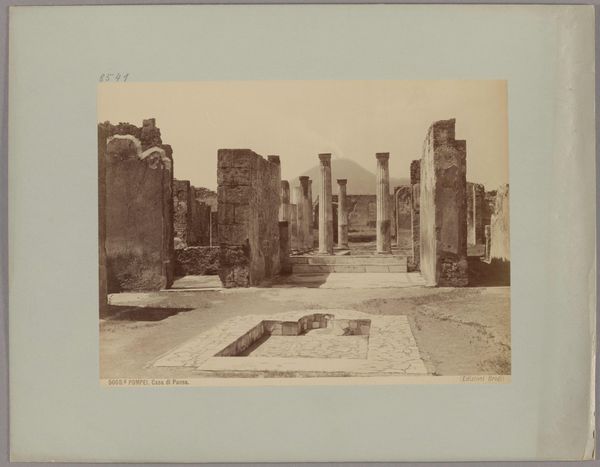
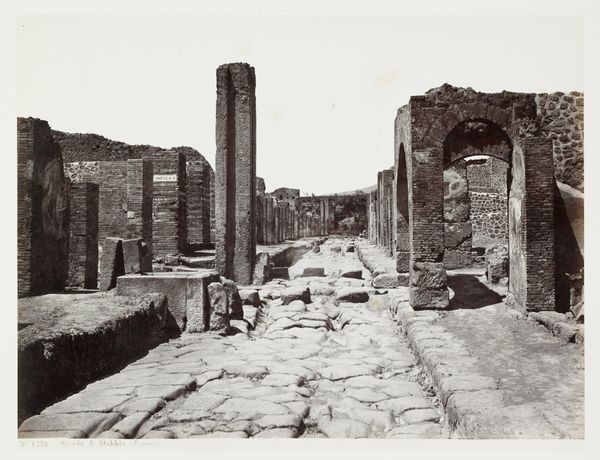
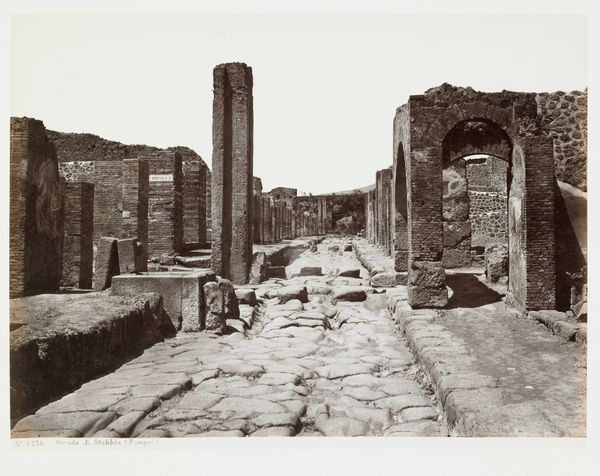
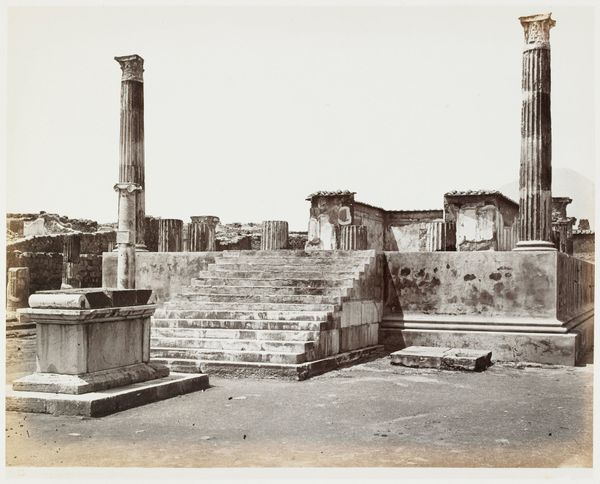
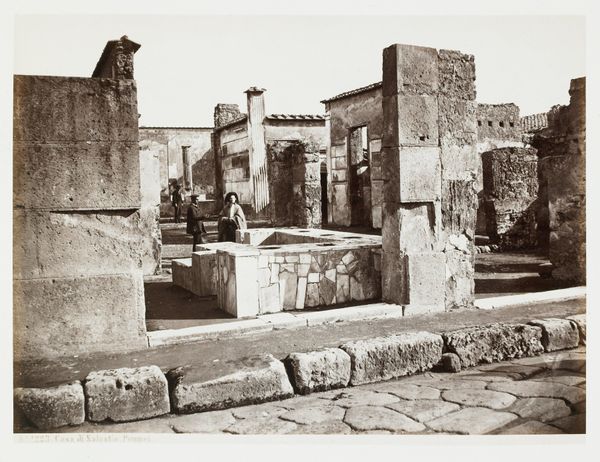
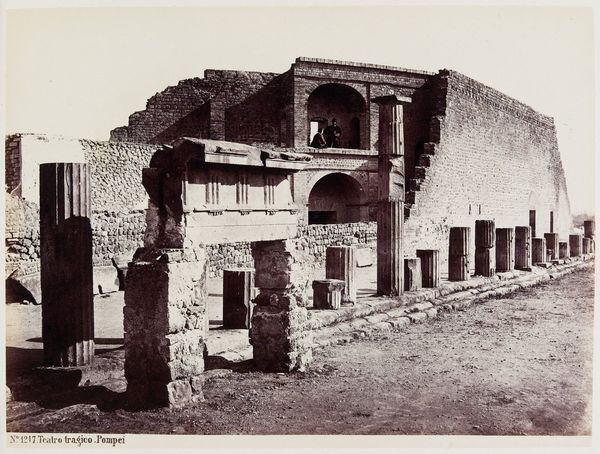
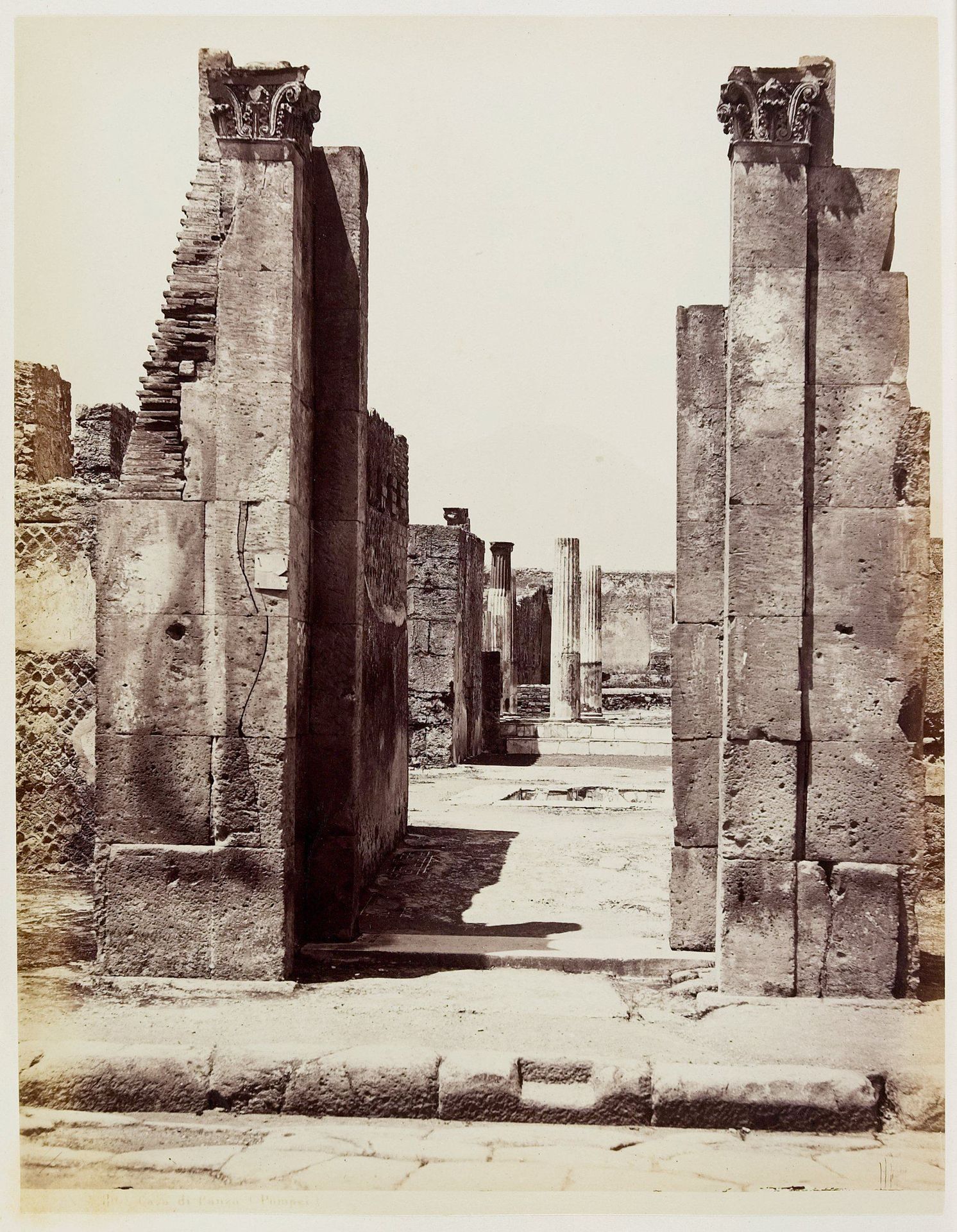
Giorgio Sommer's photograph, Casa di Panza, captures the skeletal remains of a building, using light and shadow to create a melancholic atmosphere. The composition is structured by two columns that act as a frame, drawing the eye into the depth of the ruined interior. The image is striking for its formal arrangement. Sommer uses the architectural elements to create a series of receding planes. The columns, walls, and distant pillars align to form a visual pathway, enhanced by the play of light. This manipulation of space invites contemplation on the themes of time and decay. The photograph also operates as a sign. The ruins of Pompeii symbolize the transience of human endeavor and the inevitable triumph of nature. Sommer's capture is not just a record, but a reflection on how structures, once imbued with meaning, are transformed into artifacts. Each shadow suggests absence, prompting questions about lost civilizations.
Casa di Panza 19th-20th century


Artwork details
- Medium
- albumen-print, print, photography, albumen-print, architecture
- Dimensions
- 9 3/4 x 7 11/16 in. (24.77 x 19.53 cm) (image)
- Location
- Minneapolis Institute of Art
- Copyright
- Public Domain
Tags
albumen-print
excavation photography
sculpture
landscape
photography
geometric
ancient-mediterranean
history-painting
albumen-print
architecture
Comments
No comments
About this artwork
Giorgio Sommer's photograph, Casa di Panza, captures the skeletal remains of a building, using light and shadow to create a melancholic atmosphere. The composition is structured by two columns that act as a frame, drawing the eye into the depth of the ruined interior. The image is striking for its formal arrangement. Sommer uses the architectural elements to create a series of receding planes. The columns, walls, and distant pillars align to form a visual pathway, enhanced by the play of light. This manipulation of space invites contemplation on the themes of time and decay. The photograph also operates as a sign. The ruins of Pompeii symbolize the transience of human endeavor and the inevitable triumph of nature. Sommer's capture is not just a record, but a reflection on how structures, once imbued with meaning, are transformed into artifacts. Each shadow suggests absence, prompting questions about lost civilizations.
Comments
No comments