About this artwork
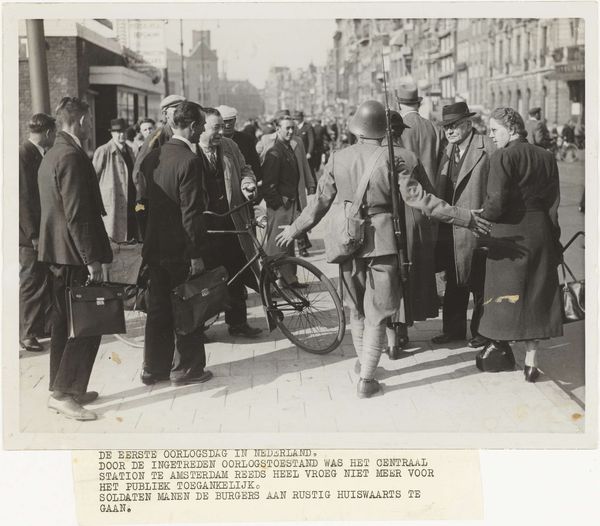
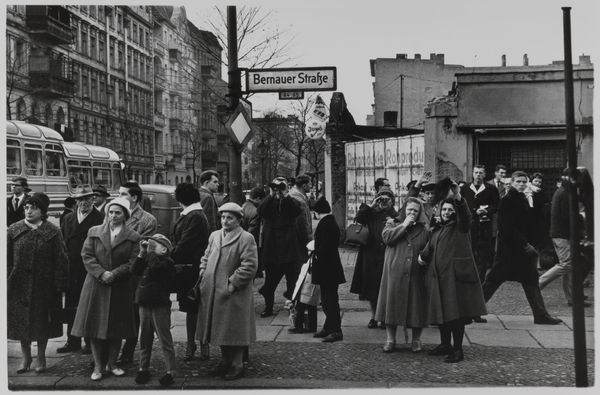
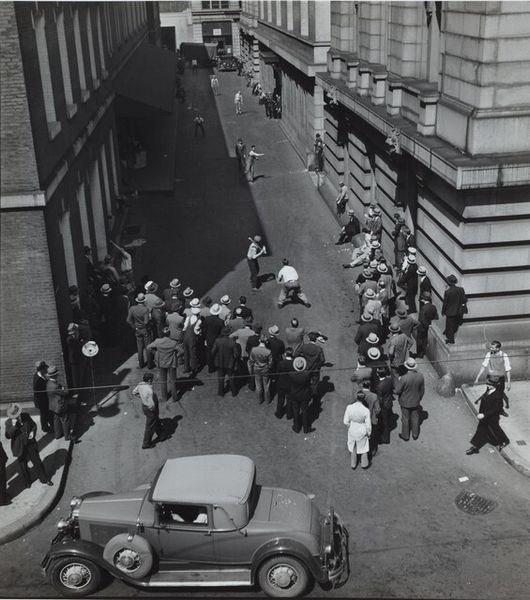
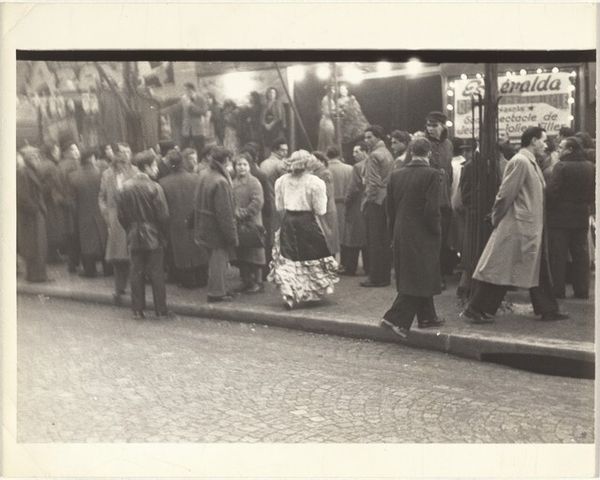
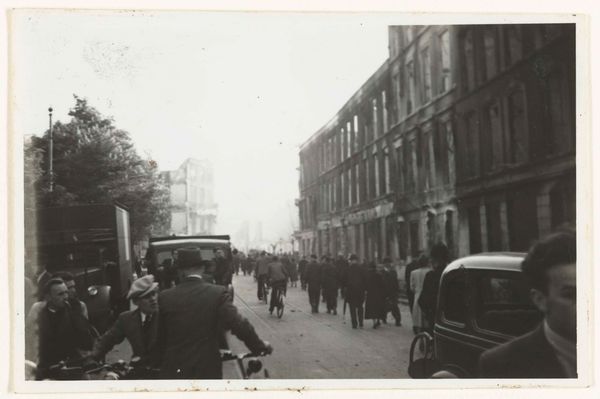
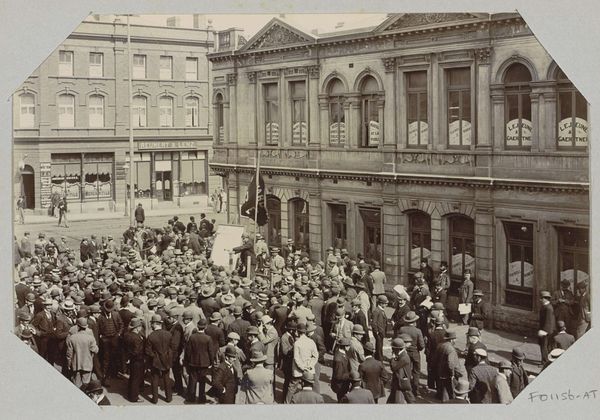
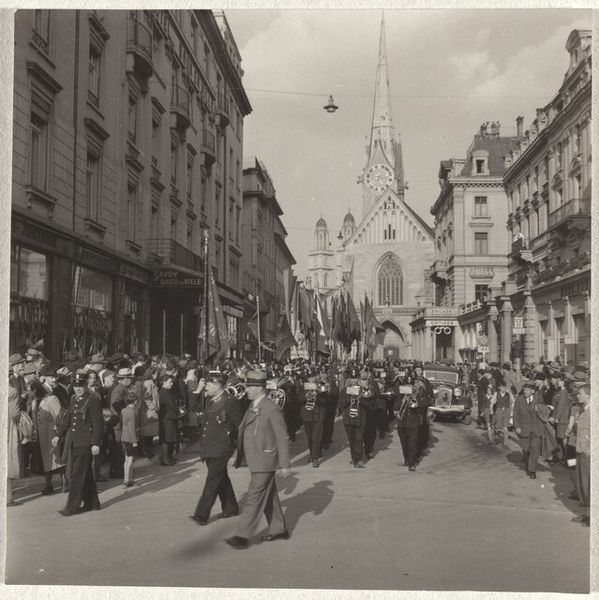
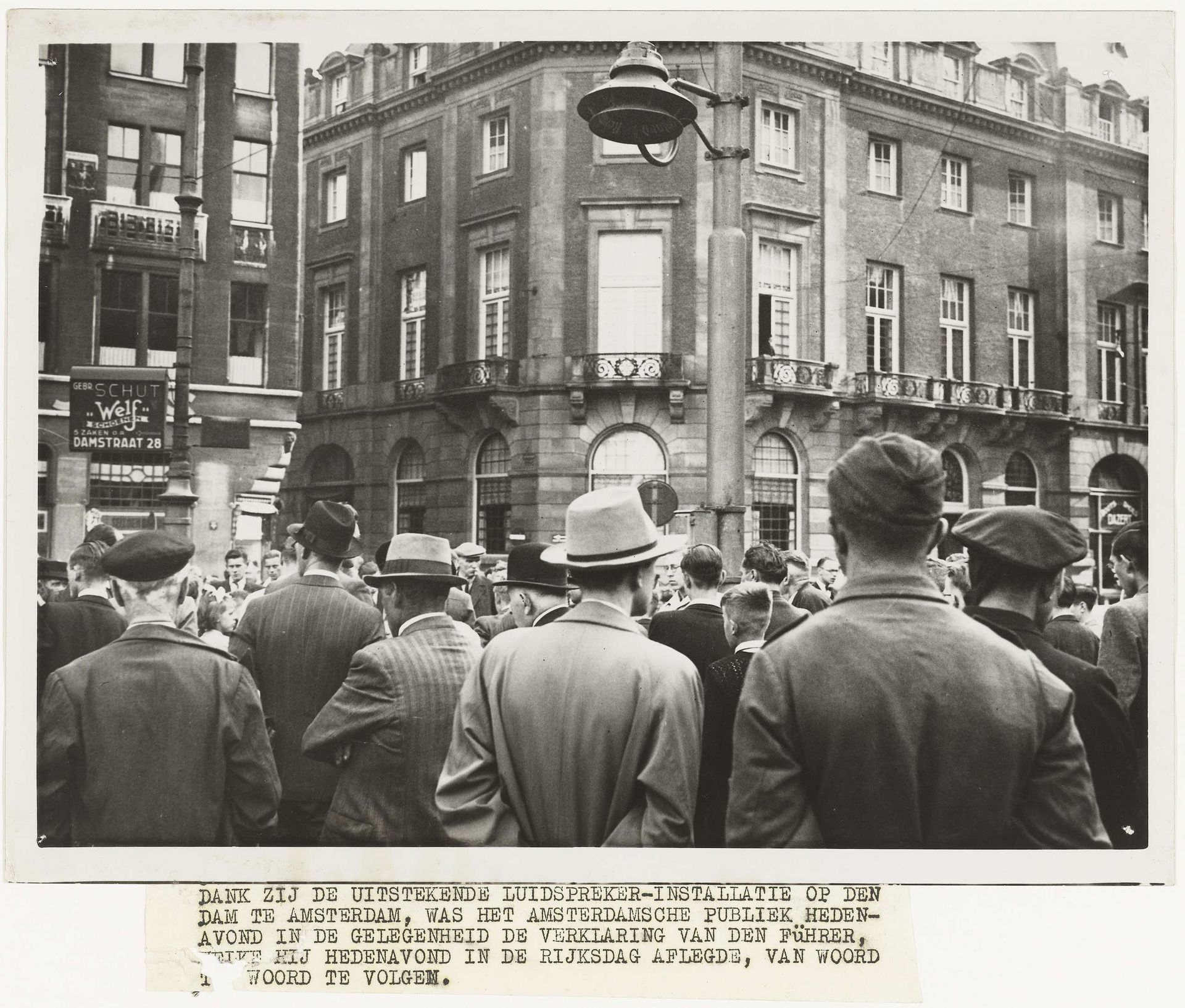
This photograph, by Polygoon, captures a crowd listening to Hitler speak, somewhere in Amsterdam. It’s a monochrome image, a study in shades of grey that feels so appropriate to the mood it conjures. Look at the tonal range here: from the bright highlights on the buildings to the deep shadows of the crowd. The composition has a kind of formal balance, but there's also an undeniable tension in the air, a sense of something ominous lurking beneath the surface. There’s a real sense of documentary in the image, a starkness of light and shade, like reality itself is being exposed or developed in the moment. This work reminds me a bit of Gerhard Richter’s black and white paintings based on photographs. Both use the indexical nature of photography to comment on history, memory, and representation. Ultimately, I think the photograph invites us to contemplate the complexities of history. It reminds us that interpretation is an ongoing process.
Publiek luistert naar een toespraak van Hitler Possibly 1940 - 1947

Polygoon
@polygoonLocation
RijksmuseumArtwork details
- Medium
- photography, gelatin-silver-print
- Location
- Rijksmuseum
- Copyright
- Rijks Museum: Open Domain
Tags
print photography
street-photography
photography
historical photography
gelatin-silver-print
history-painting
modernism
Comments
No comments
About this artwork
This photograph, by Polygoon, captures a crowd listening to Hitler speak, somewhere in Amsterdam. It’s a monochrome image, a study in shades of grey that feels so appropriate to the mood it conjures. Look at the tonal range here: from the bright highlights on the buildings to the deep shadows of the crowd. The composition has a kind of formal balance, but there's also an undeniable tension in the air, a sense of something ominous lurking beneath the surface. There’s a real sense of documentary in the image, a starkness of light and shade, like reality itself is being exposed or developed in the moment. This work reminds me a bit of Gerhard Richter’s black and white paintings based on photographs. Both use the indexical nature of photography to comment on history, memory, and representation. Ultimately, I think the photograph invites us to contemplate the complexities of history. It reminds us that interpretation is an ongoing process.
Comments
No comments