About this artwork
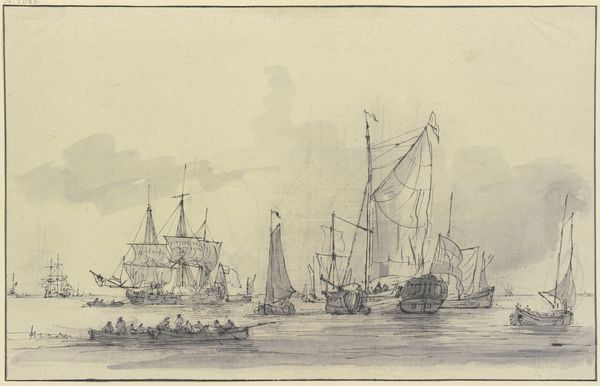
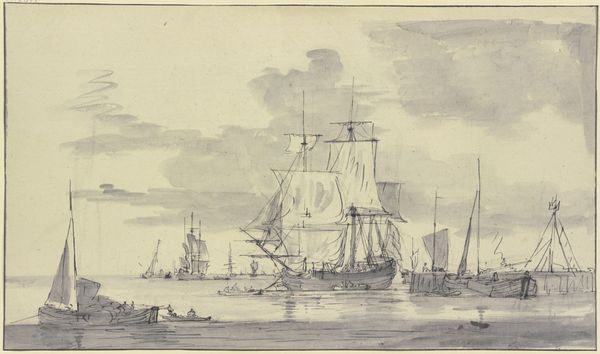
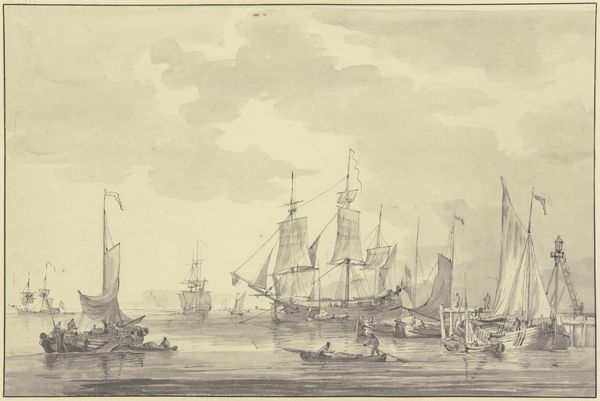
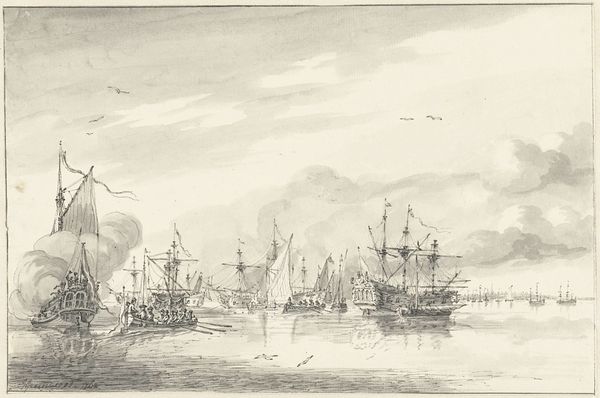
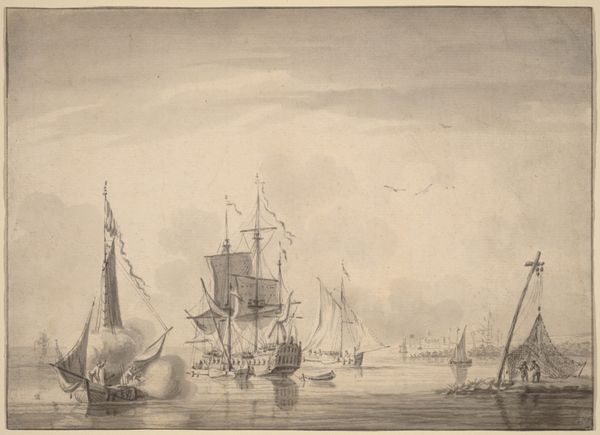
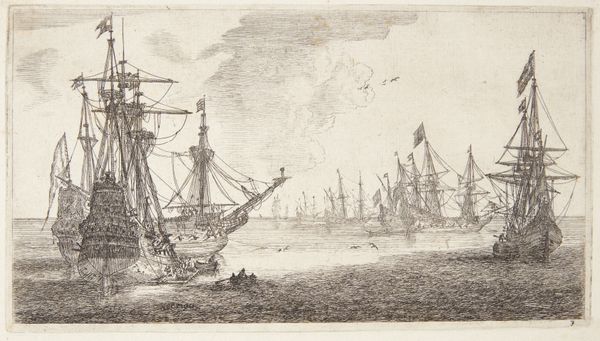
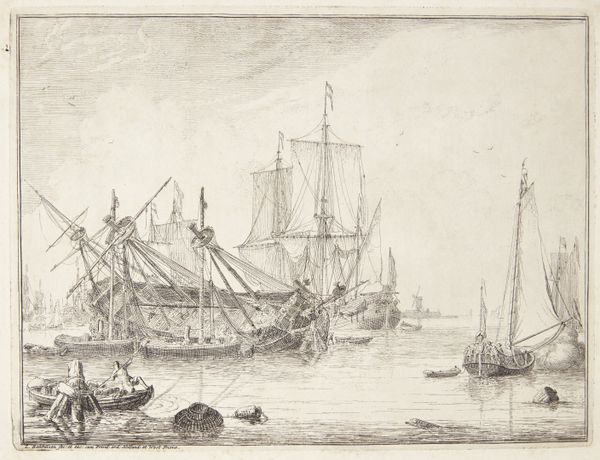
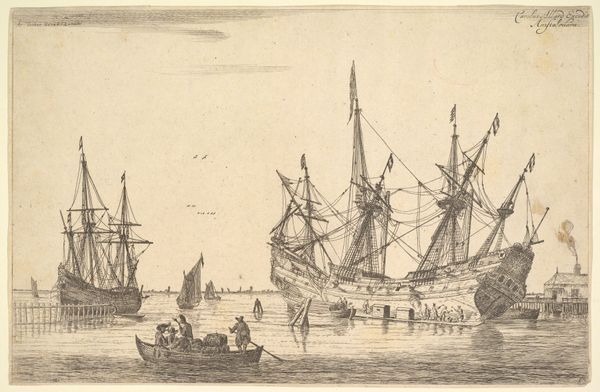
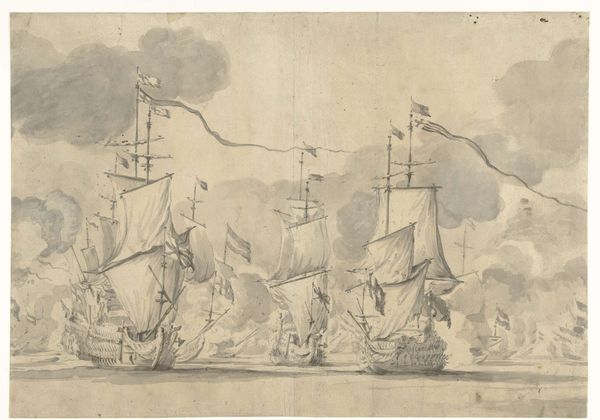
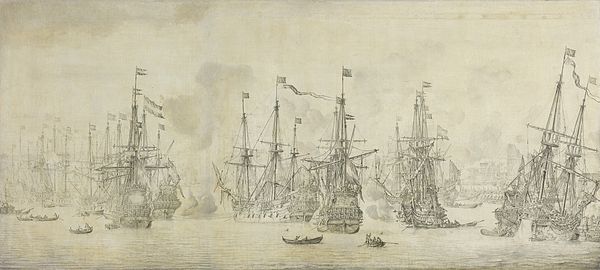
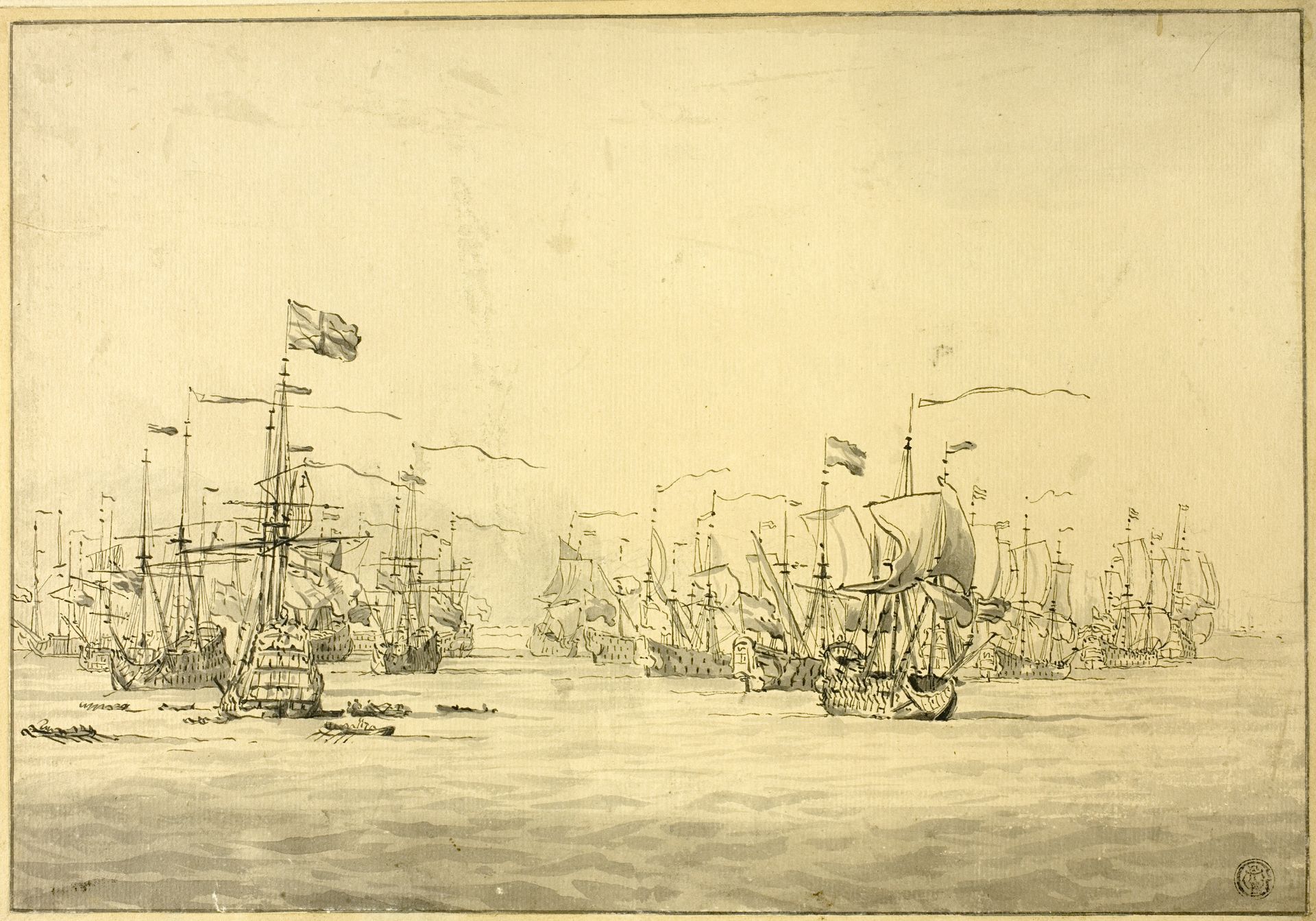
Willem van de Velde II made this drawing of Dutch and English Fleets with pen and brown ink. The composition is dominated by the ordered chaos of ships, a dense collection of masts and sails that create a complex lattice of vertical and diagonal lines. There is a subtle gradation of tone, with the foreground ships rendered in slightly darker ink to create a sense of depth. The drawing’s structure relies on semiotic signs, each flag and ship type functioning as a signifier of national identity and naval power. The linear precision is indicative of an ordered view of the world, but it also hints at the instability inherent in maritime power. Van de Velde II destabilizes the established meanings of naval dominance by presenting the fleets in close proximity, suggesting a fluid and contingent relationship between the two great maritime powers. The drawing serves not just as a visual record of naval strength but as an exploration of the transient nature of power and the cultural codes that underpin it.
Dutch and English Fleets
n.d.


Artwork details
- Medium
- drawing, print, etching, paper, ink, graphite, pen
- Dimensions
- 229 × 328 mm
- Location
- The Art Institute of Chicago
- Copyright
- Public Domain
Tags
drawing
dutch-golden-age
etching
landscape
etching
paper
ink
graphite
pen
cityscape
watercolor
Comments
Be the first to share your thoughts about this work.
About this artwork
Willem van de Velde II made this drawing of Dutch and English Fleets with pen and brown ink. The composition is dominated by the ordered chaos of ships, a dense collection of masts and sails that create a complex lattice of vertical and diagonal lines. There is a subtle gradation of tone, with the foreground ships rendered in slightly darker ink to create a sense of depth. The drawing’s structure relies on semiotic signs, each flag and ship type functioning as a signifier of national identity and naval power. The linear precision is indicative of an ordered view of the world, but it also hints at the instability inherent in maritime power. Van de Velde II destabilizes the established meanings of naval dominance by presenting the fleets in close proximity, suggesting a fluid and contingent relationship between the two great maritime powers. The drawing serves not just as a visual record of naval strength but as an exploration of the transient nature of power and the cultural codes that underpin it.
Comments
Be the first to share your thoughts about this work.