1886 - 1923
Architectuurstudie

George Hendrik Breitner
1857 - 1923Location
RijksmuseumListen to curator's interpretation
Curatorial notes
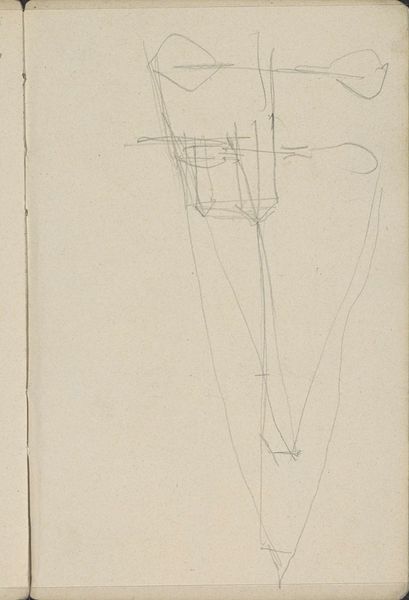
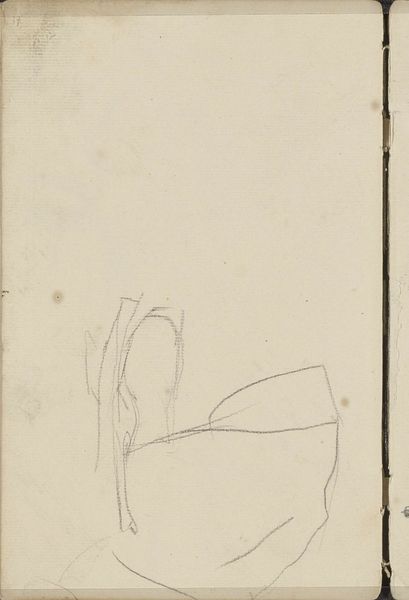
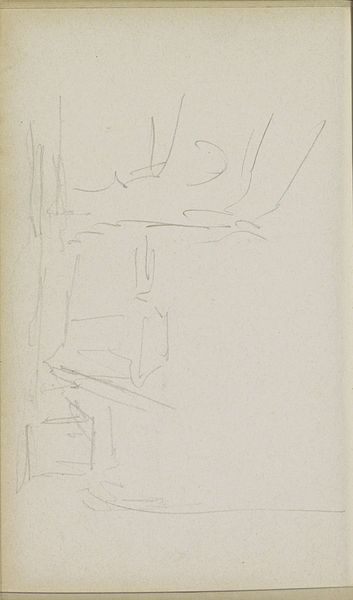
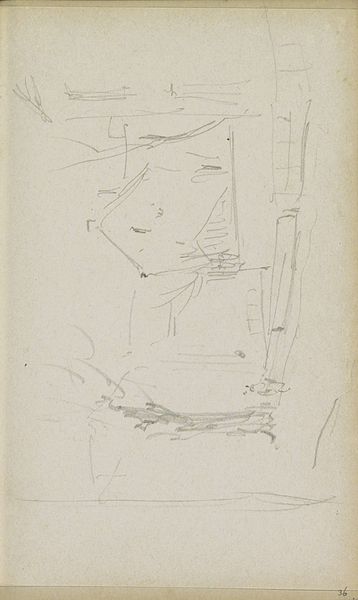
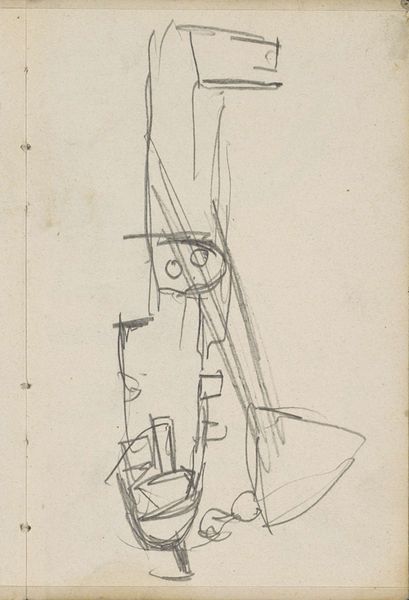
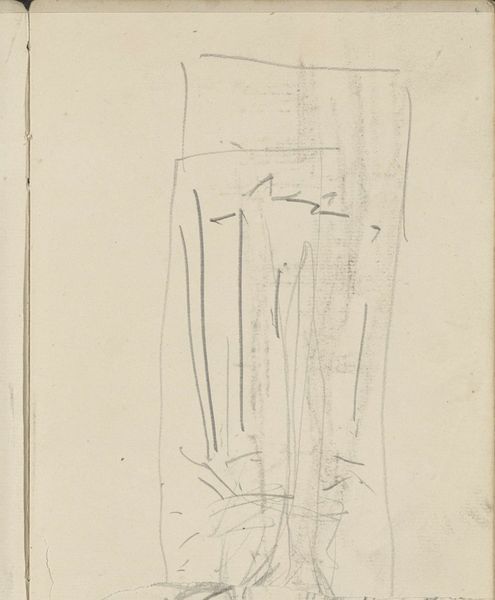
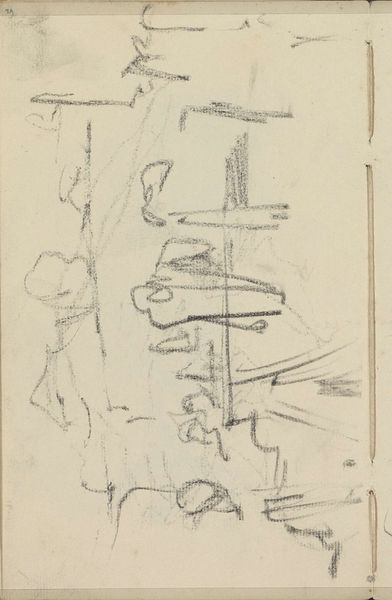
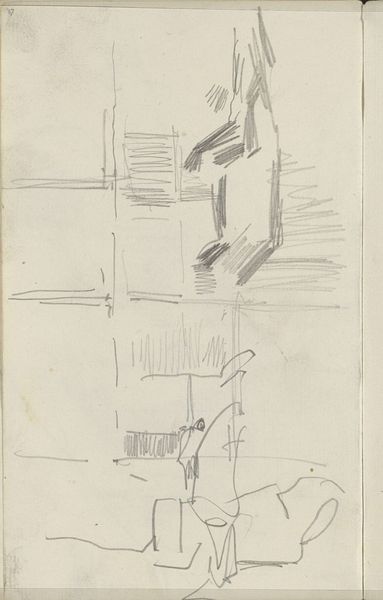
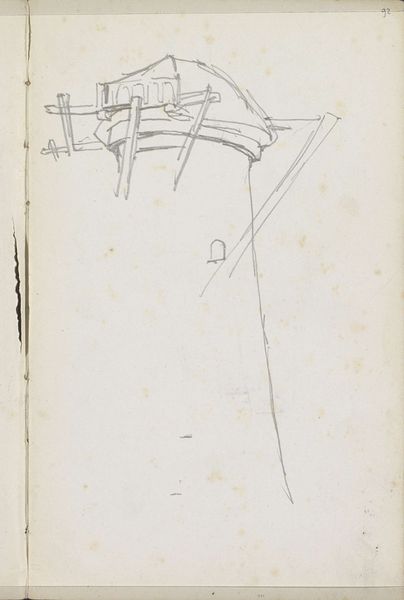
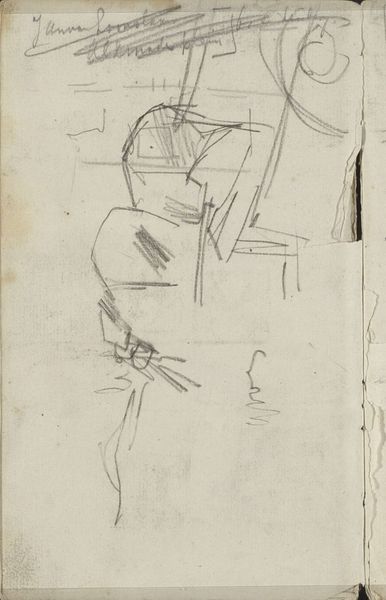
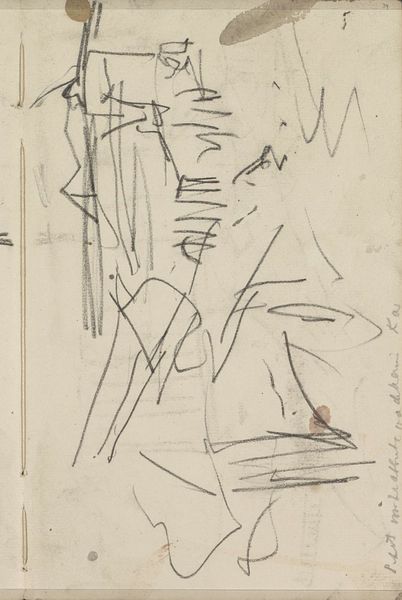
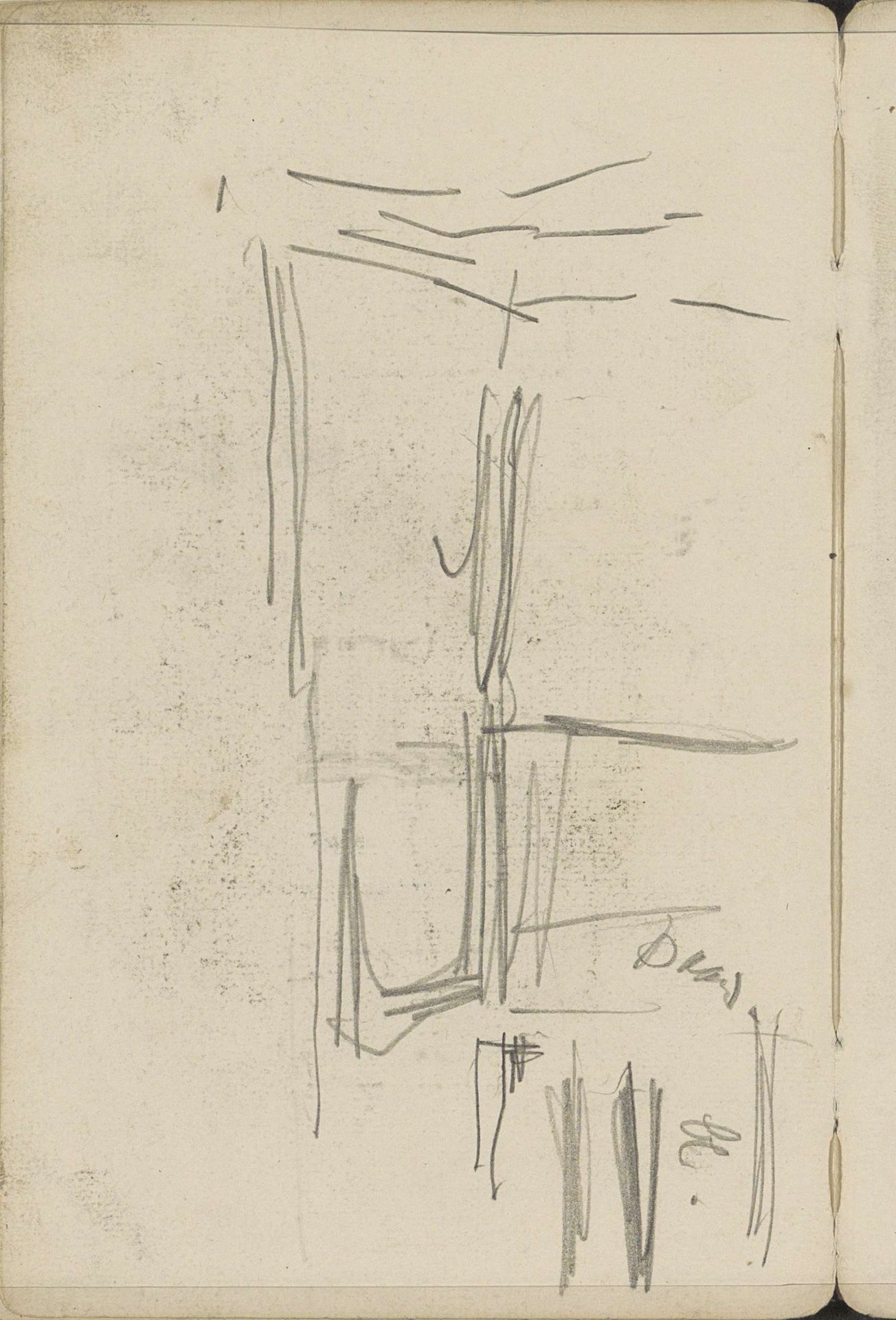
Curator: Here we have "Architectuurstudie," an architectural study executed in graphite on paper, believed to have been created by George Hendrik Breitner between 1886 and 1923. Editor: Wow, okay, first impression? It’s wonderfully messy! Like a thought caught mid-scribble. It feels incredibly immediate, a snapshot of an idea barely formed. Curator: Breitner was, of course, very interested in capturing the immediacy of modern life, so the sketch-like quality isn't accidental. It also speaks to broader trends within architectural pedagogy, moving away from idealized classical forms towards observation of lived spaces. Editor: Right. But the lines, so free! Is this supposed to be a building? Maybe a fever dream after too many lectures on urban planning. There is such energy. Curator: Absolutely, that tension speaks volumes about the evolving relationship between art, architecture, and the industrialized city in the late 19th century. It presents a rejection of traditional artistic precision, prioritizing raw expression and functional efficiency. It captures an idea that's very raw and powerful. Editor: I dig that interpretation. You can almost feel the city buzzing outside the page, see the grit in the air, hear the construction...Or maybe I need a vacation. I suppose if it's just a sketch, you could find inspiration and even emotional significance in its minimalist beauty. Curator: Its lack of finish isn’t a lack of meaning. This aesthetic can symbolize an ethos of a new age which challenged what architecture stood for by using its visual language. Editor: In its abstraction there's a story of change. It's fascinating. A bit like finding a forgotten note full of promise. Thanks. Curator: It's pieces like these, these fleeting impressions, which allow us to feel connected to the processes of great minds. Thank you.