1889 - 1890
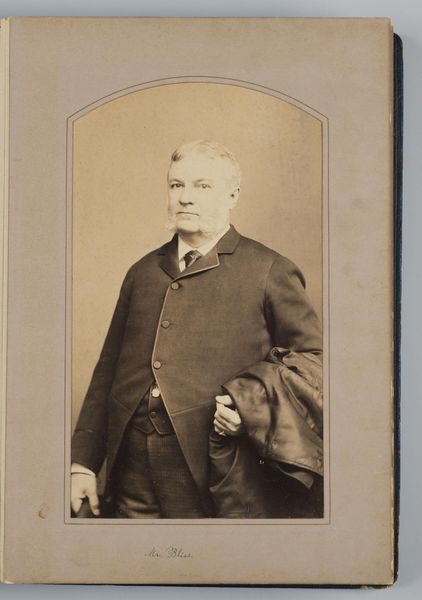
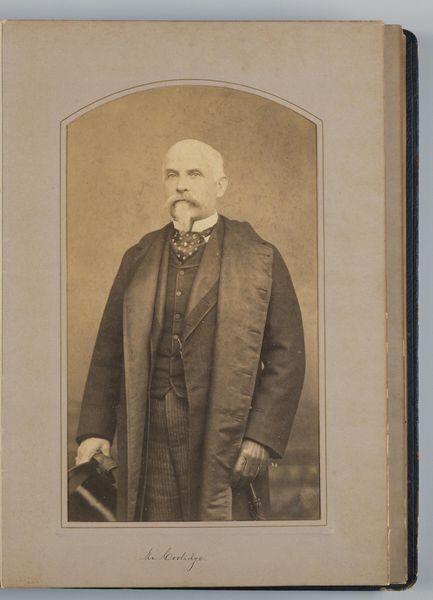
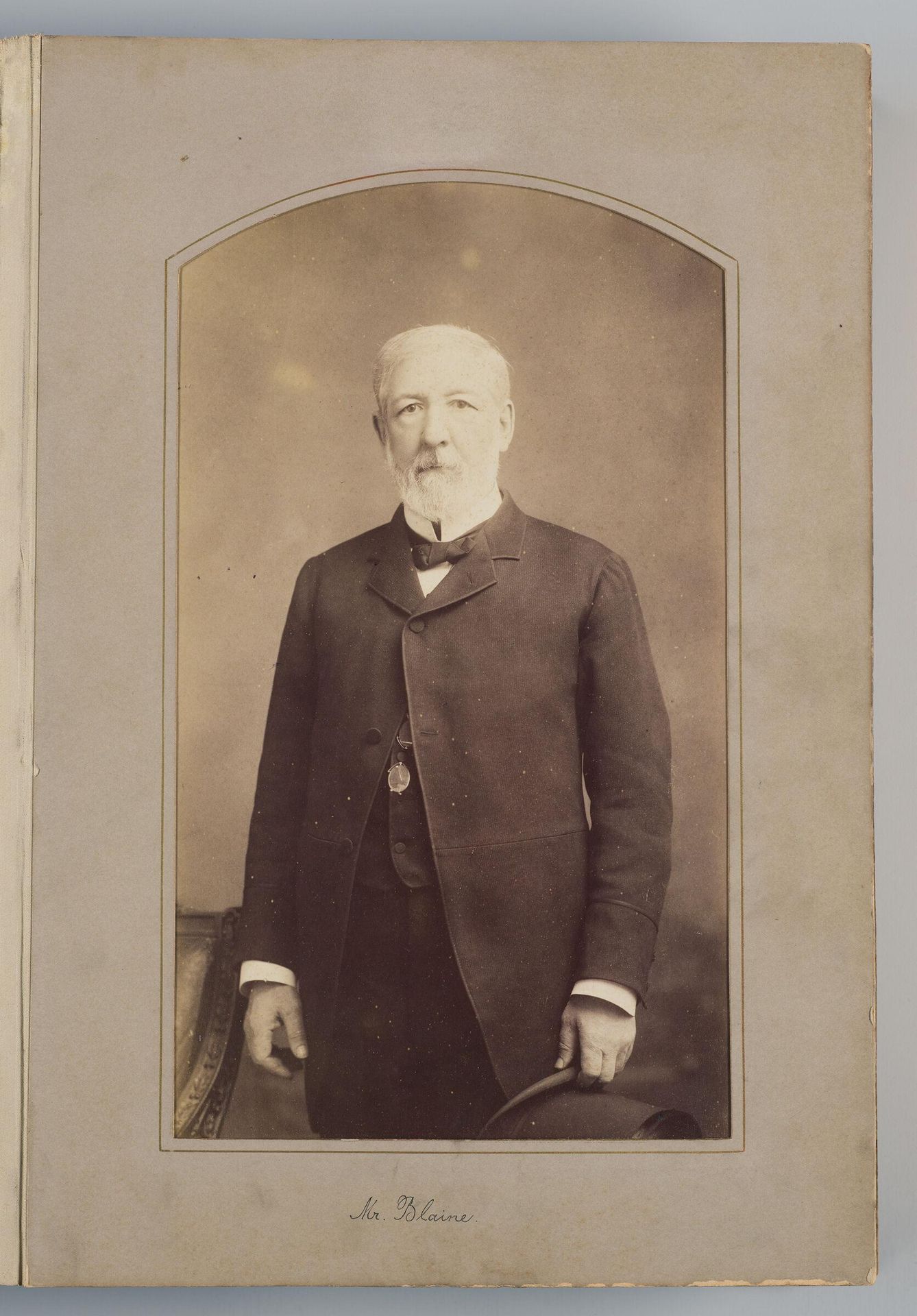
James G. Blaine (President of the International American Conference)


Listen to curator's interpretation
Curatorial notes
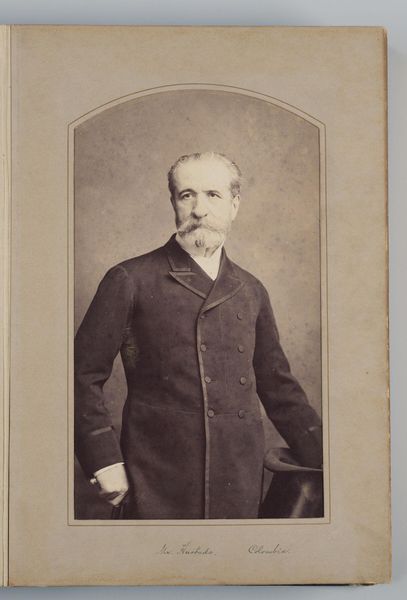
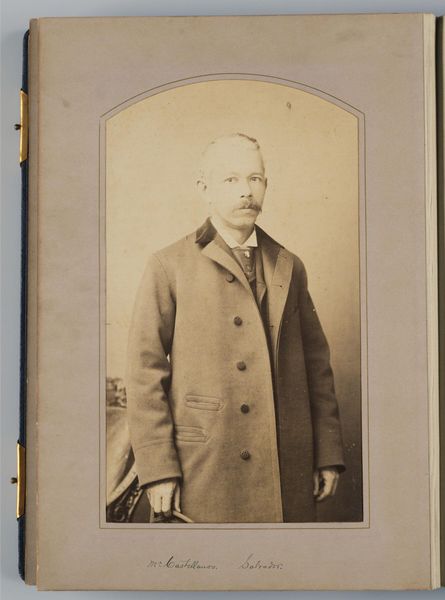
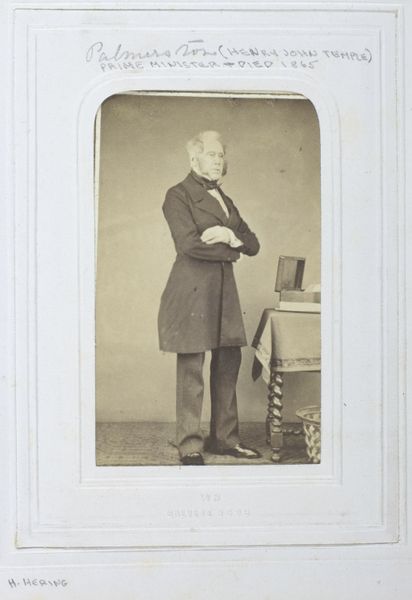
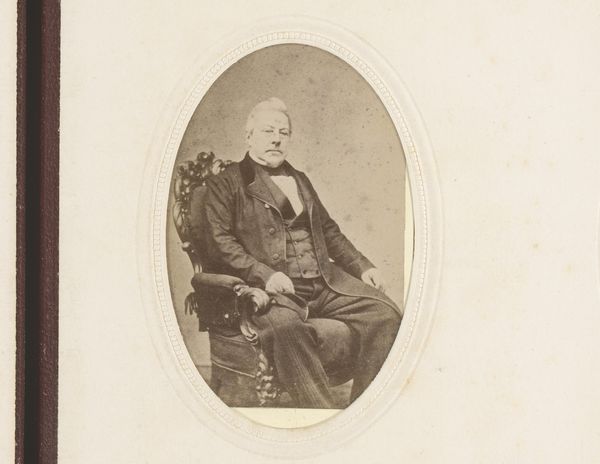
Editor: Here we see a photograph of James G. Blaine by Mathew Brady. It's presented in what looks like a cardboard frame, a rather humble presentation. What do you see in this portrait, considering its production? Curator: I'm drawn to the materiality of this object. Brady was a master of the wet-plate collodion process; this print speaks to the industrialization of portraiture. Consider the labor involved, from the mining of silver to the darkroom work. This wasn't just about capturing an image; it was about a system of production. Editor: So, the value isn't just in the likeness, but in the industrial processes behind it? Curator: Precisely. And the social implications of accessible portraiture! It democratized representation, yet was still controlled by figures like Brady who owned the means of production. It's a complex dance between art, labor, and capital. Editor: I hadn't thought about it that way. It's more than just a photo of a politician. Thanks!