About this artwork
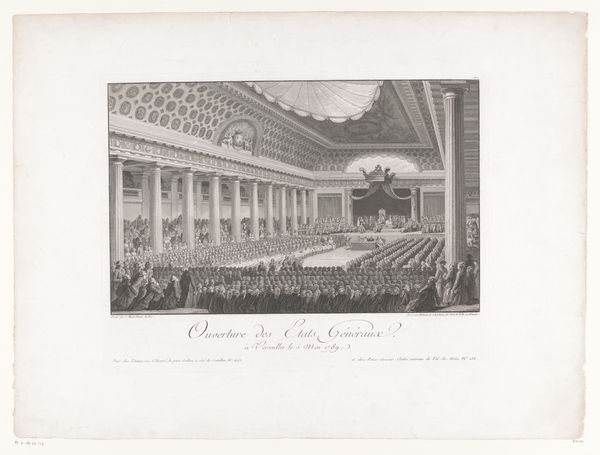
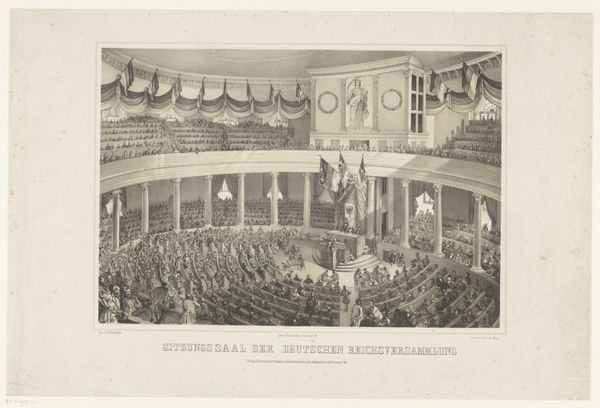
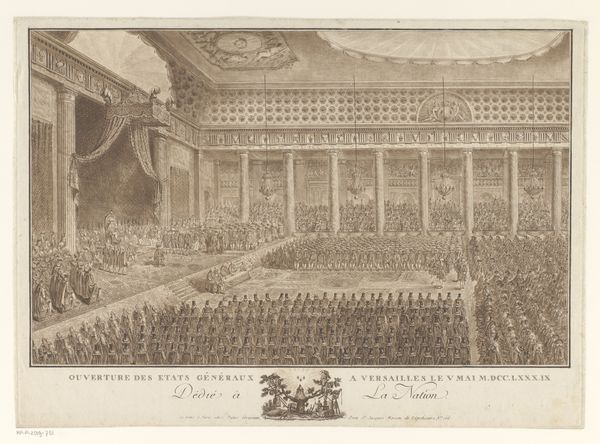
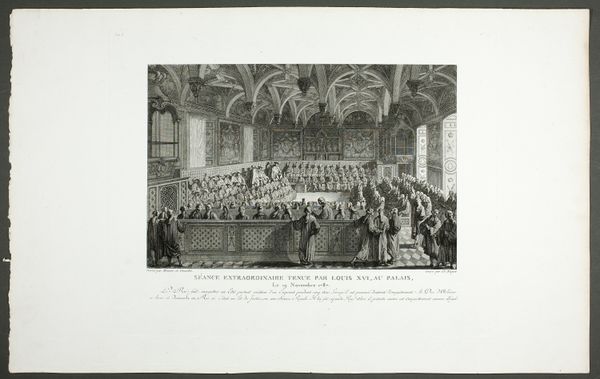
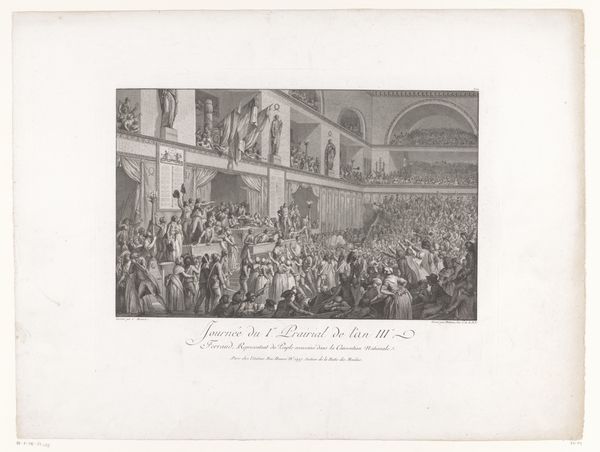
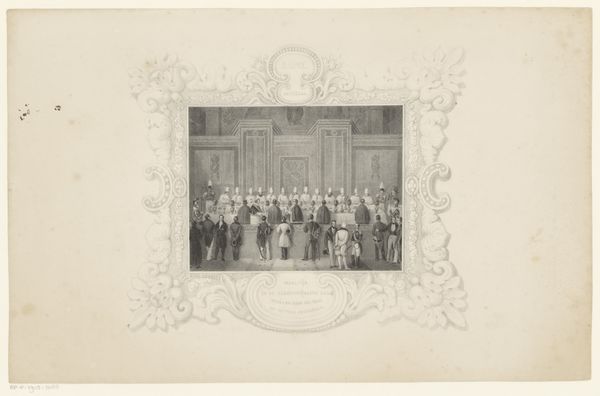
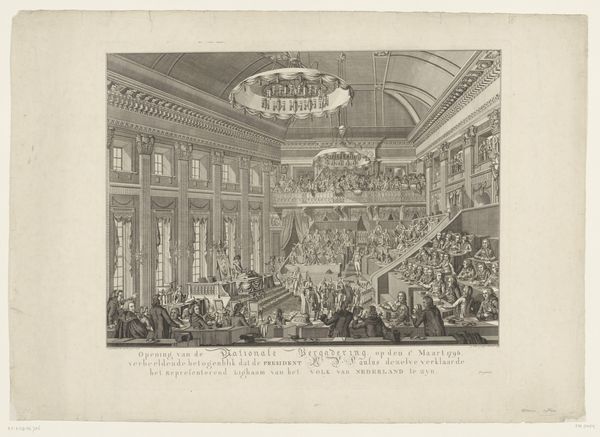
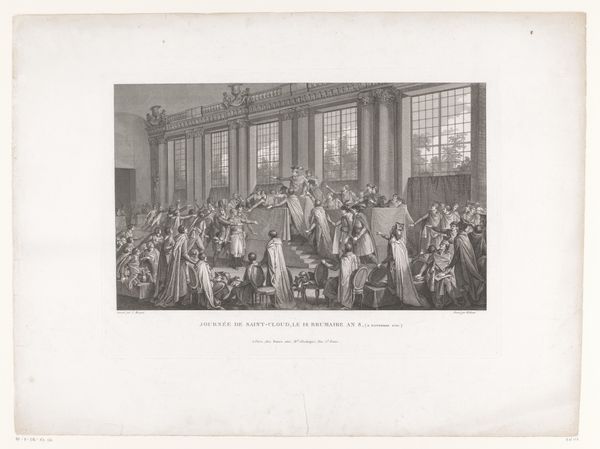
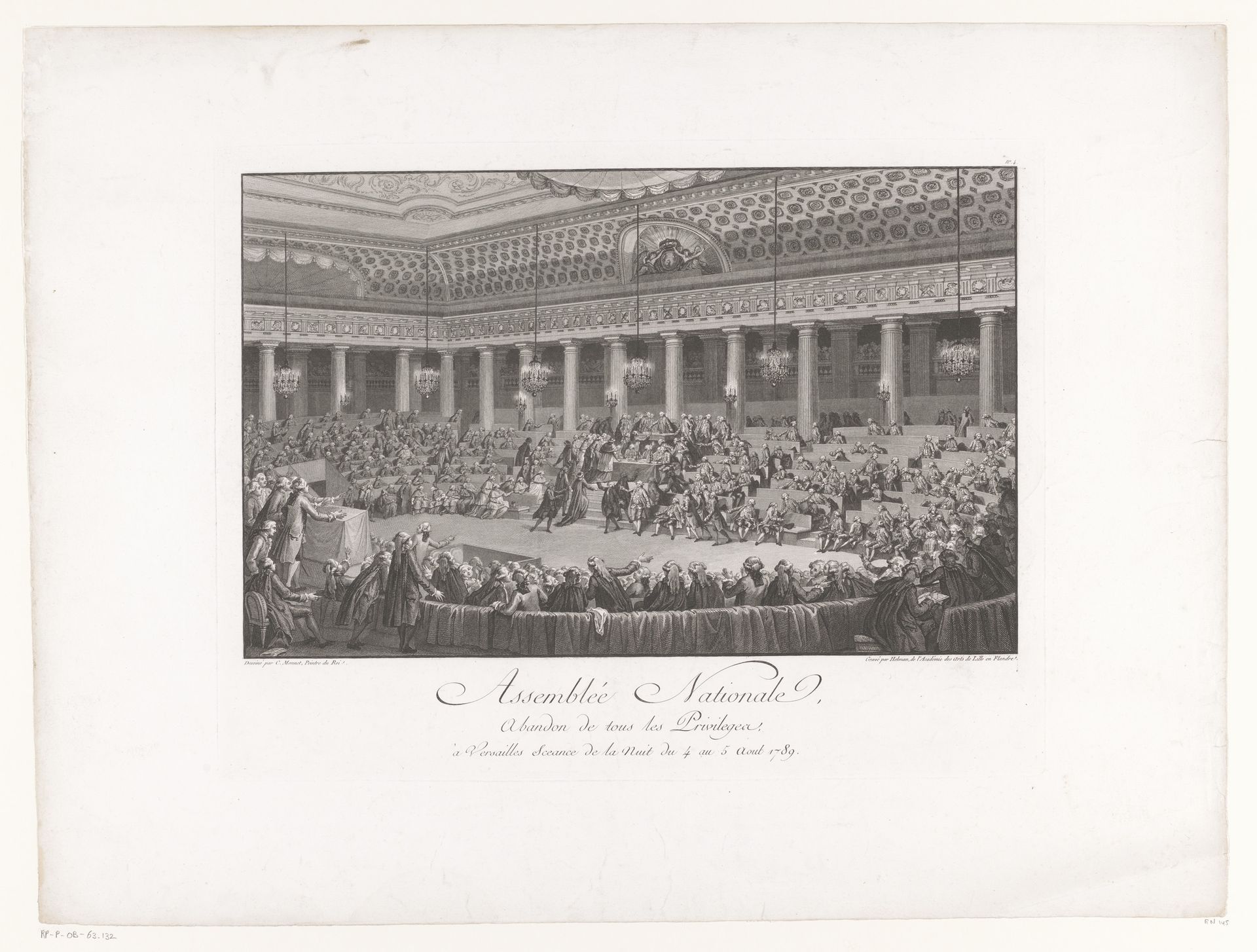
Isidore-Stanislas Helman created this print, titled "Vergadering in de Assemblée Nationale", of the Assembly in session. It offers us a glimpse into a pivotal moment of transformation. The print captures the fervor of the French Revolution, a period defined by a yearning for liberty, equality, and fraternity. During this time, the Assembly emerged as a space where traditional hierarchies were challenged, and new social contracts were debated. Notice the crowd assembled; consider their various positions, literally and figuratively, within the old order. Helman’s print invites us to consider the promises and paradoxes inherent in revolutions. It makes me wonder: Whose voices were truly heard in these halls? Whose perspectives were silenced or marginalized in the pursuit of a new national identity? These are hard questions. But it is in the asking of them, I believe, that we can understand both then, and now.
Vergadering in de Assemblée Nationale
1793 - 1806

Isidore-Stanislas Helman
@isidorestanislashelmanLocation
RijksmuseumArtwork details
- Medium
- print, engraving
- Dimensions
- height 358 mm, width 464 mm
- Location
- Rijksmuseum
- Copyright
- Rijks Museum: Open Domain
Tags
Comments
Share your thoughts
About this artwork
Isidore-Stanislas Helman created this print, titled "Vergadering in de Assemblée Nationale", of the Assembly in session. It offers us a glimpse into a pivotal moment of transformation. The print captures the fervor of the French Revolution, a period defined by a yearning for liberty, equality, and fraternity. During this time, the Assembly emerged as a space where traditional hierarchies were challenged, and new social contracts were debated. Notice the crowd assembled; consider their various positions, literally and figuratively, within the old order. Helman’s print invites us to consider the promises and paradoxes inherent in revolutions. It makes me wonder: Whose voices were truly heard in these halls? Whose perspectives were silenced or marginalized in the pursuit of a new national identity? These are hard questions. But it is in the asking of them, I believe, that we can understand both then, and now.
Comments
Share your thoughts