About this artwork
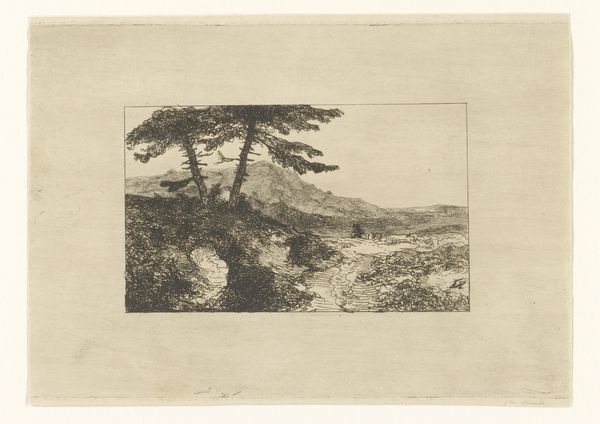
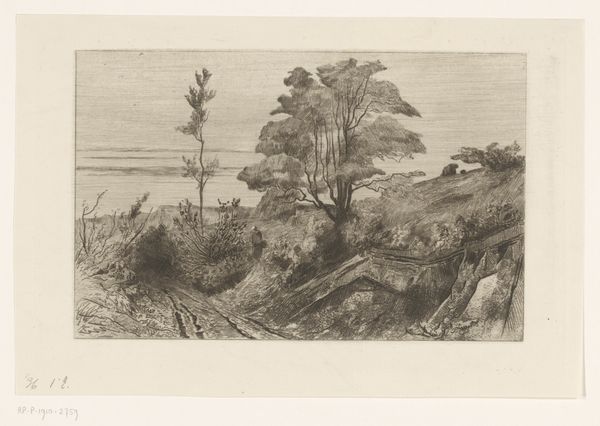
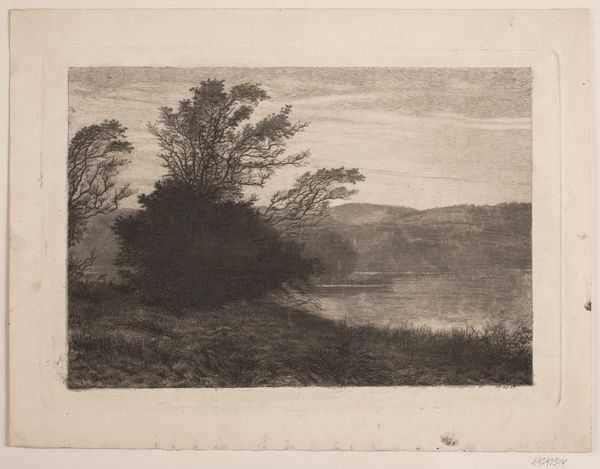
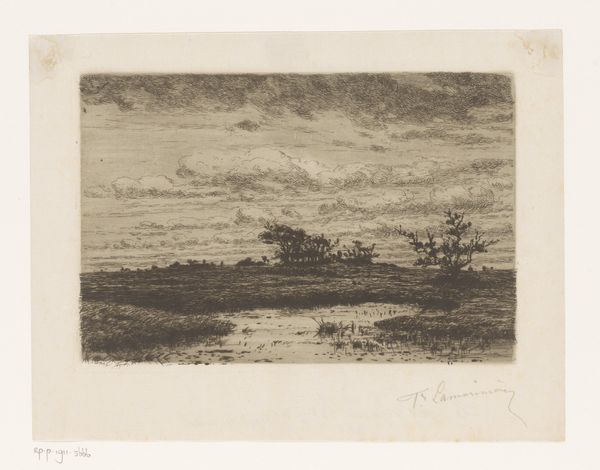
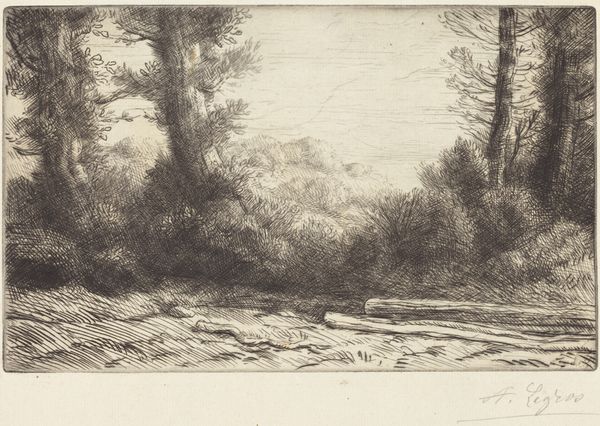
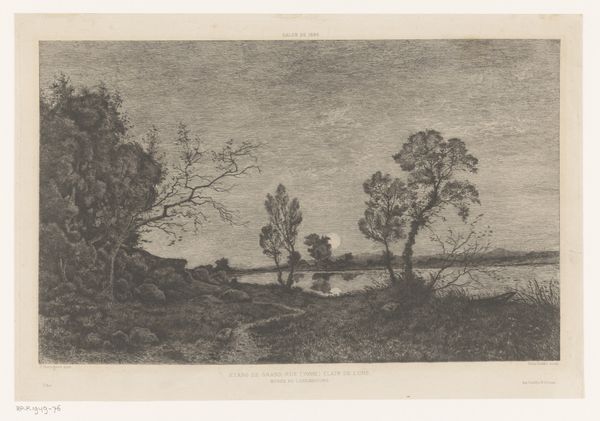
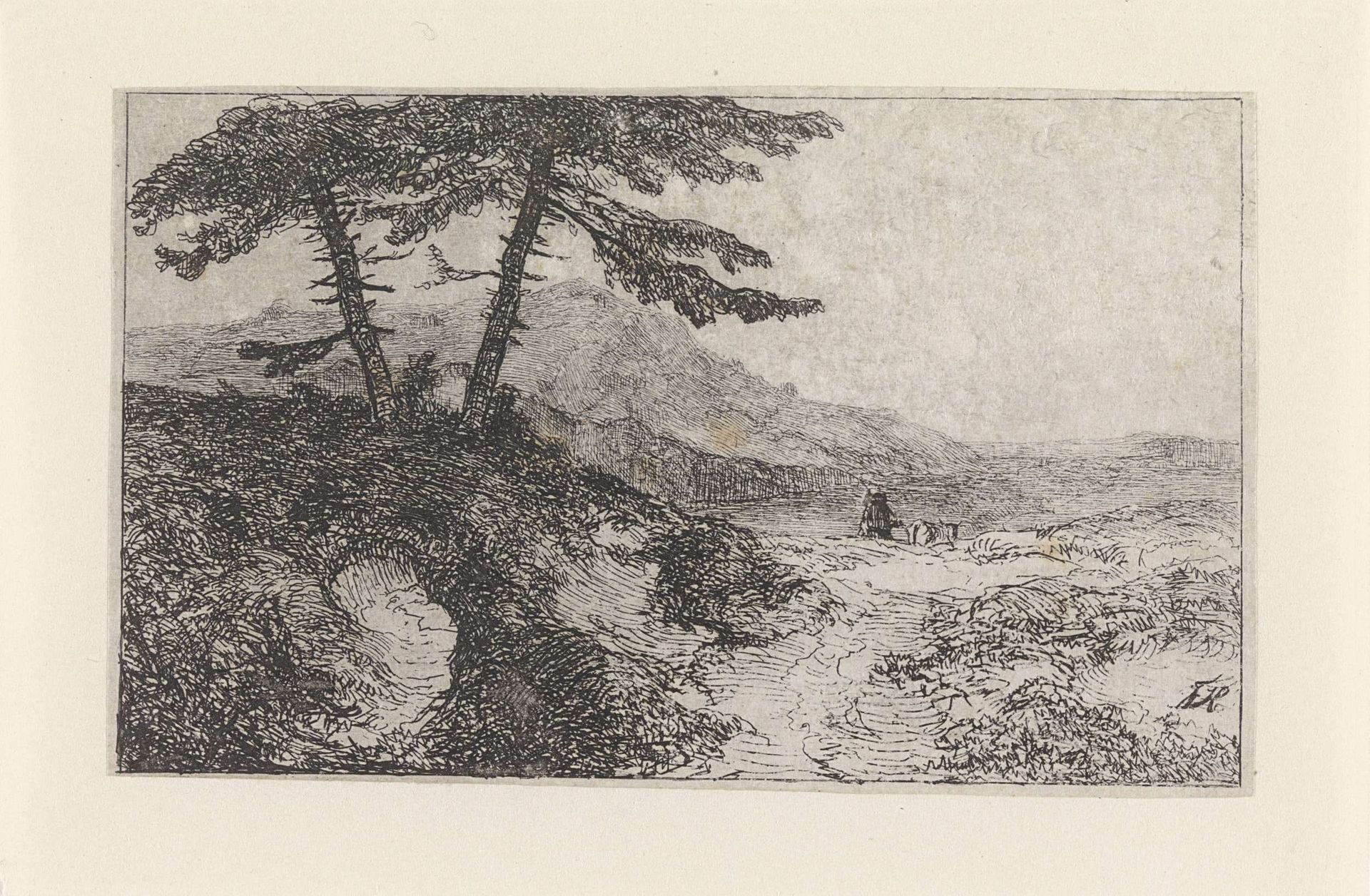
This landscape with two pines on a hill was etched by Johannes Franciscus Hoppenbrouwers in the mid-19th century. Etching is a printmaking technique that uses acid to corrode a design into a metal plate, in this case, copper. The etcher then applies ink to the plate and presses it onto paper. What I find interesting here is the way that the etching process has imbued the artwork with a particular social and cultural significance. Hoppenbrouwers has used a traditional craft technique to depict a scene of rural life. Note the figure with their ox-drawn cart in the distance. The fine lines and delicate details create a sense of intimacy and connection with nature, yet the acid's bite also suggests a world of labor and industry. Hoppenbrouwers was engaging with a skilled tradition, that of printmaking and landscape art. By understanding the materials, making, and context of this etching, we can fully appreciate its meaning and significance, challenging traditional distinctions between fine art and craft.
Landschap met twee dennen op een heuvel
1829 - 1866

Johannes Franciscus Hoppenbrouwers
1819 - 1866Location
RijksmuseumArtwork details
- Medium
- drawing, print, etching, engraving
- Dimensions
- height 83 mm, width 139 mm
- Location
- Rijksmuseum
- Copyright
- Rijks Museum: Open Domain
Tags
Comments
Share your thoughts
About this artwork
This landscape with two pines on a hill was etched by Johannes Franciscus Hoppenbrouwers in the mid-19th century. Etching is a printmaking technique that uses acid to corrode a design into a metal plate, in this case, copper. The etcher then applies ink to the plate and presses it onto paper. What I find interesting here is the way that the etching process has imbued the artwork with a particular social and cultural significance. Hoppenbrouwers has used a traditional craft technique to depict a scene of rural life. Note the figure with their ox-drawn cart in the distance. The fine lines and delicate details create a sense of intimacy and connection with nature, yet the acid's bite also suggests a world of labor and industry. Hoppenbrouwers was engaging with a skilled tradition, that of printmaking and landscape art. By understanding the materials, making, and context of this etching, we can fully appreciate its meaning and significance, challenging traditional distinctions between fine art and craft.
Comments
Share your thoughts