About this artwork
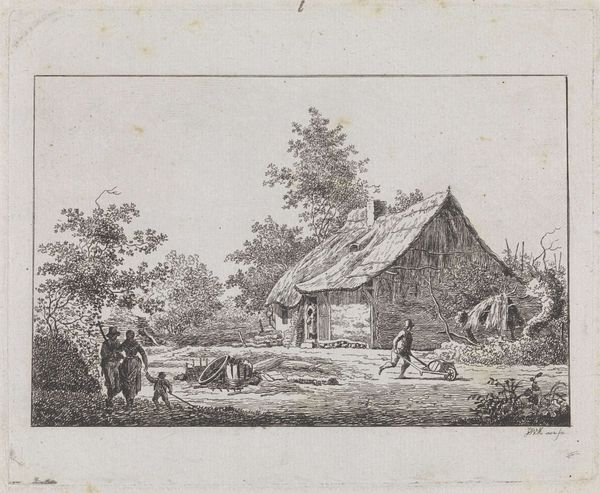
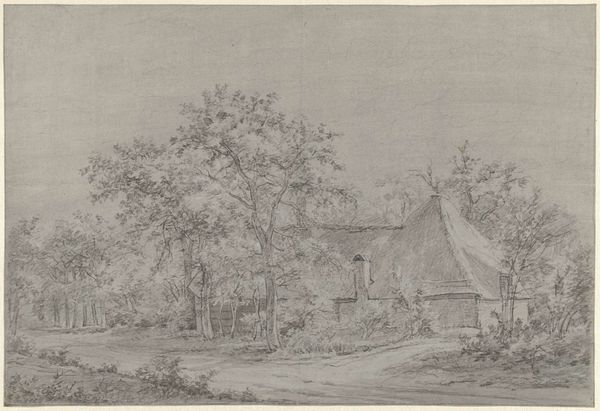
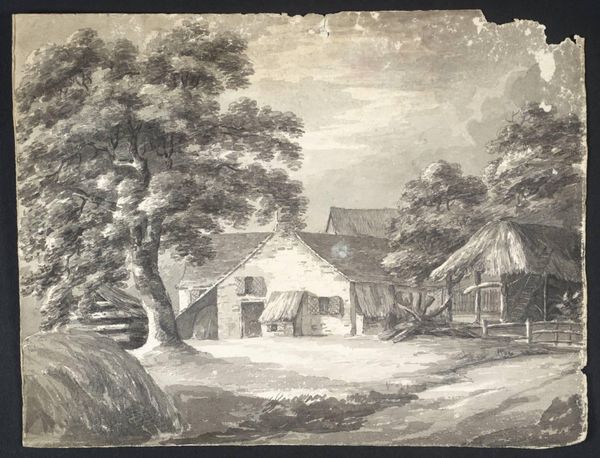
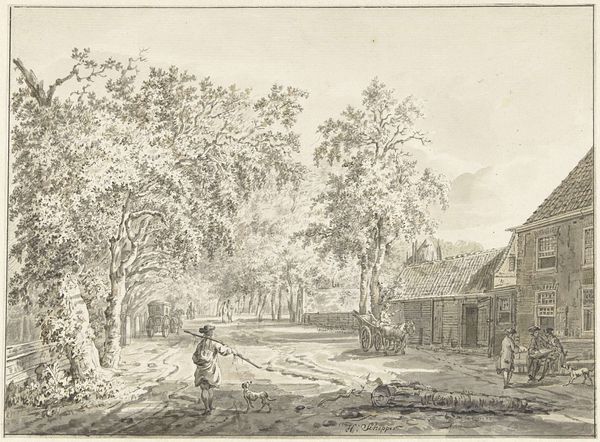
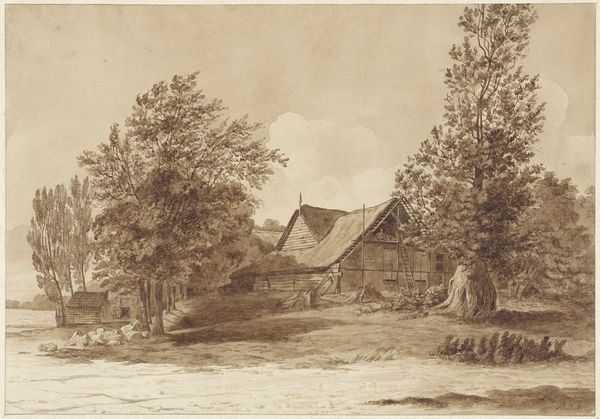
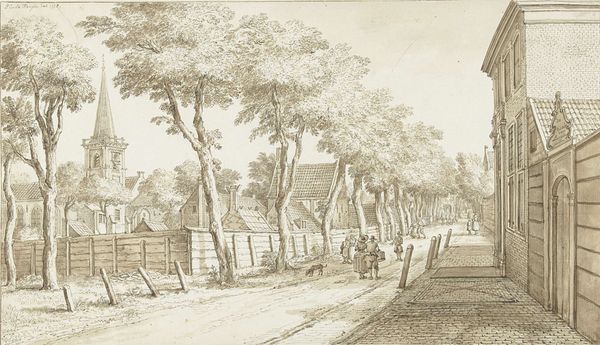
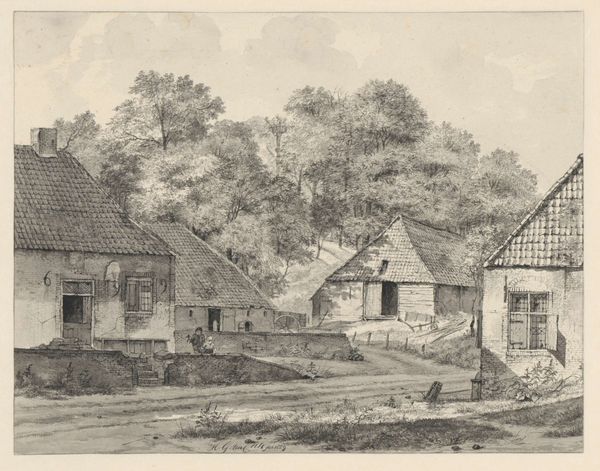
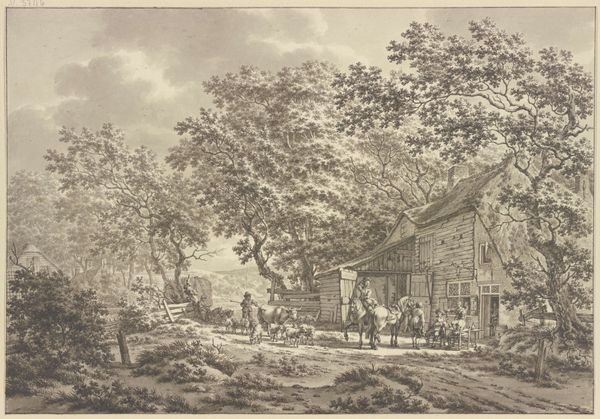
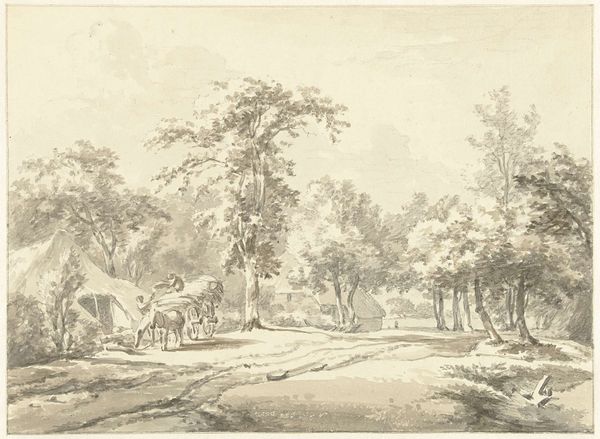
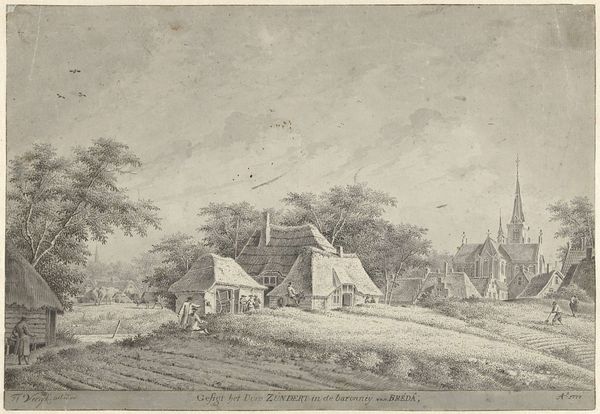
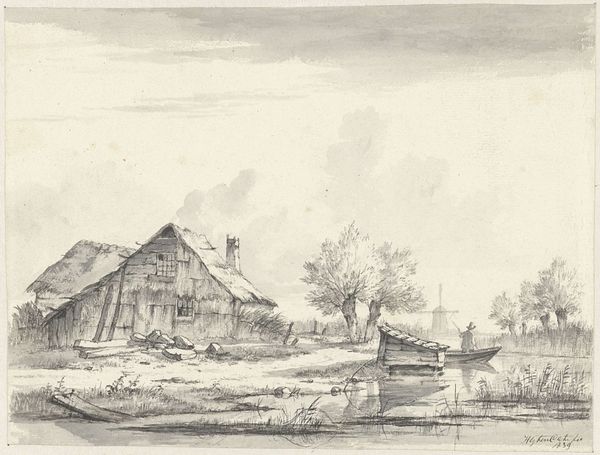
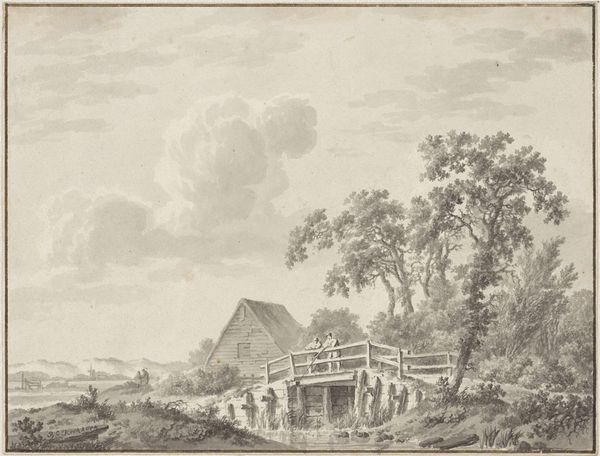
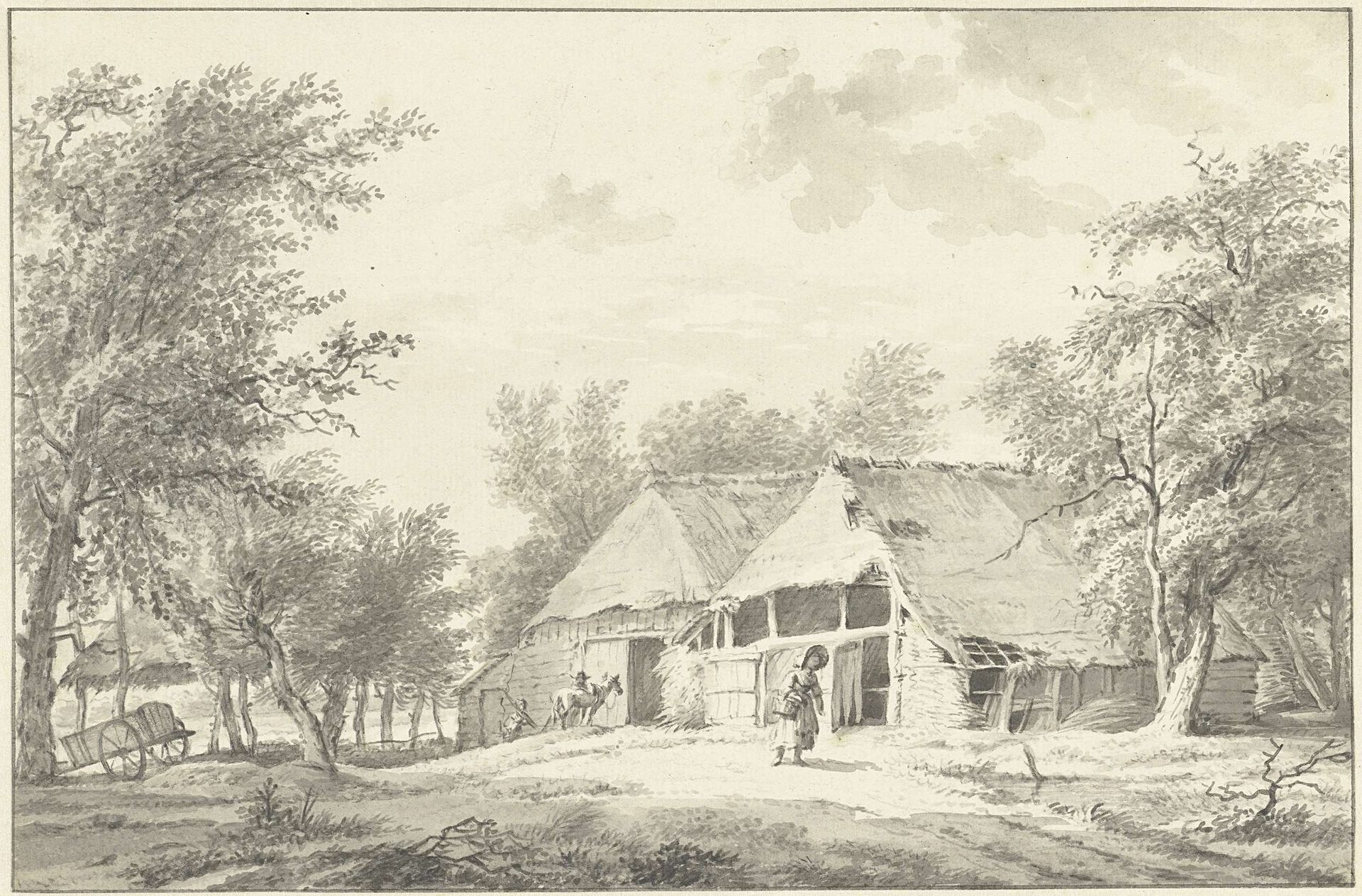
Wybrand Hendriks made this drawing of a farm and woman with basket using pen in grey ink and brush in grey wash. Although undated, it likely belongs to the late 18th or early 19th century. At this time, the Dutch countryside was idealized as a space of authentic labor, family values, and national heritage. The Rijksmuseum, which now holds the drawing, was founded in 1800 to safeguard such objects of national importance. Wybrand's idyllic scene, with its humble architecture and hardworking woman, might have been created to serve this cultural agenda. The play of light and shadow imbues the image with a sense of nostalgia, obscuring any potential signs of the social and economic upheaval that characterized this period in Dutch history. By consulting archives, newspapers, and other period documents, we can gain a deeper understanding of the drawing's place within the cultural institutions of its time.
Landschap met boerderij en vrouw met mand 1754 - 1831

Wybrand Hendriks
1744 - 1831Location
RijksmuseumArtwork details
- Medium
- drawing, ink, pencil
- Dimensions
- height 174 mm, width 266 mm
- Location
- Rijksmuseum
- Copyright
- Rijks Museum: Open Domain
Tags
drawing
pen sketch
landscape
ink
pencil
genre-painting
northern-renaissance
realism
Comments
No comments
About this artwork
Wybrand Hendriks made this drawing of a farm and woman with basket using pen in grey ink and brush in grey wash. Although undated, it likely belongs to the late 18th or early 19th century. At this time, the Dutch countryside was idealized as a space of authentic labor, family values, and national heritage. The Rijksmuseum, which now holds the drawing, was founded in 1800 to safeguard such objects of national importance. Wybrand's idyllic scene, with its humble architecture and hardworking woman, might have been created to serve this cultural agenda. The play of light and shadow imbues the image with a sense of nostalgia, obscuring any potential signs of the social and economic upheaval that characterized this period in Dutch history. By consulting archives, newspapers, and other period documents, we can gain a deeper understanding of the drawing's place within the cultural institutions of its time.
Comments
No comments