About this artwork
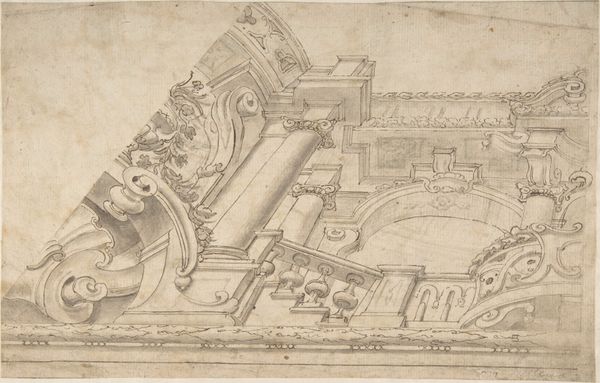
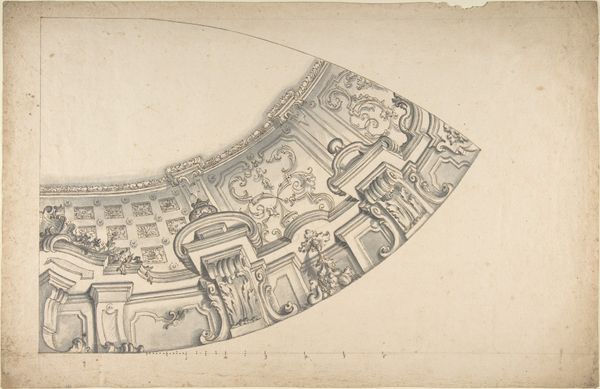
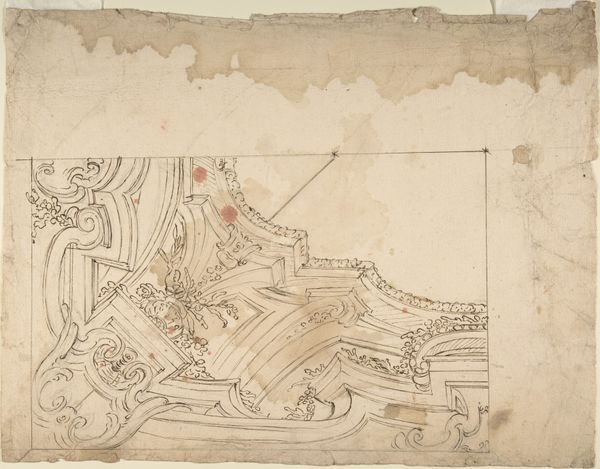
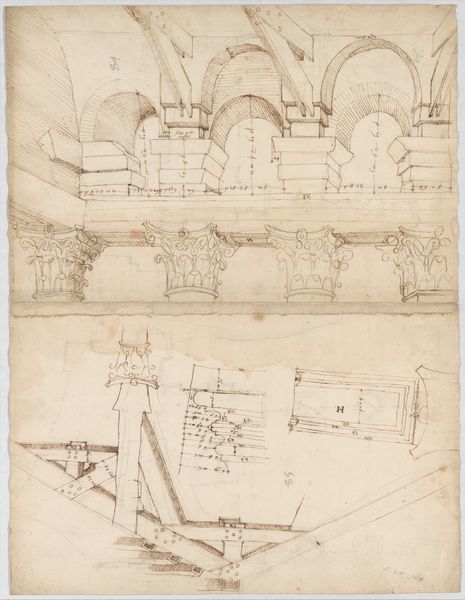
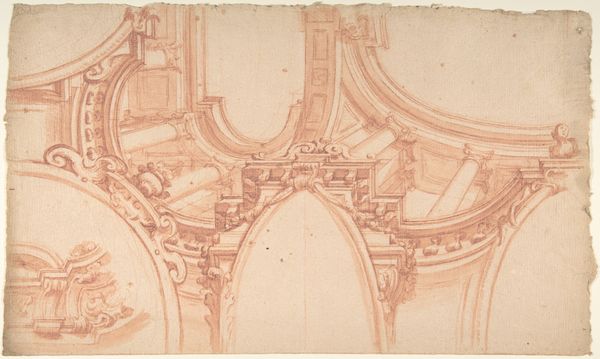
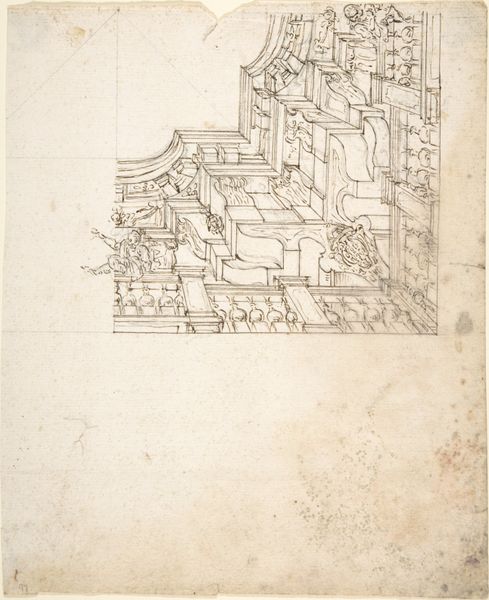
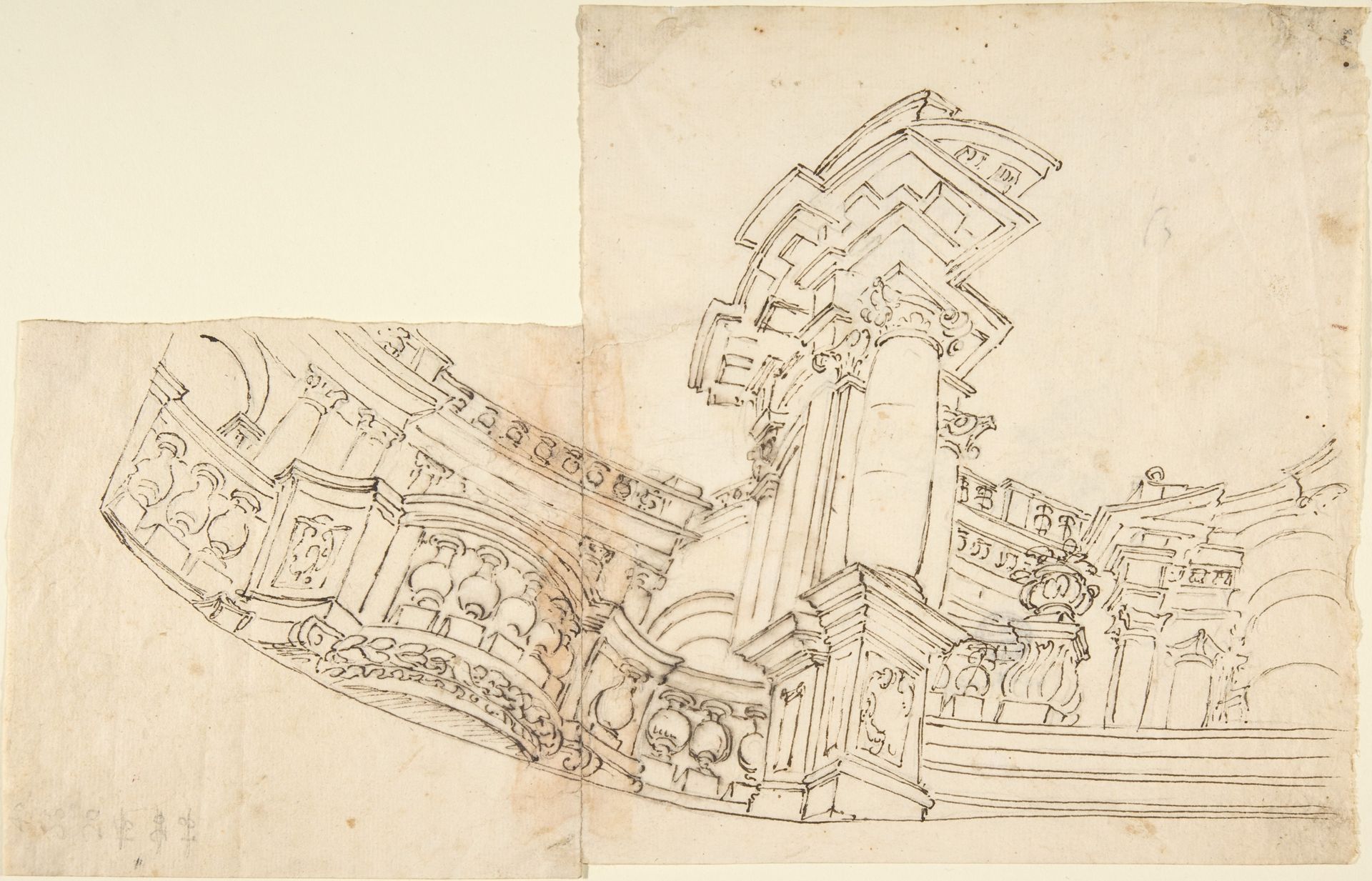
This is an ink drawing of a "Design for a Balcony", created by an anonymous artist. Architectural drawings like this one provide us a peek into the world of design and construction that would have largely been overseen and executed by men. The lack of attribution invites questions about authorship and anonymity, particularly in historical contexts where women and marginalized groups were often excluded from formal recognition in artistic and professional fields. While we cannot know the identity or gender of the artist, we can consider the social conditions that might lead to such anonymity. The balcony itself, as a space of transition between public and private, suggests themes of spectatorship, display, and social interaction. Consider the power dynamics at play when thinking about who occupies the balcony and who they might be looking down upon. The drawing therefore becomes a historical record, hinting at narratives of power, gender, and social status embedded within the built environment.
Design for a Balcony
1700 - 1780


Artwork details
- Medium
- drawing, ink, architecture
- Dimensions
- 7-11/16 x 11-7/8 in. (19.6 x 30.2 cm) = (12.5 x 12.9) + (19.3 x 19.5)
- Location
- Metropolitan Museum of Art, New York, NY
- Copyright
- Public Domain
Tags
Comments
Share your thoughts
About this artwork
This is an ink drawing of a "Design for a Balcony", created by an anonymous artist. Architectural drawings like this one provide us a peek into the world of design and construction that would have largely been overseen and executed by men. The lack of attribution invites questions about authorship and anonymity, particularly in historical contexts where women and marginalized groups were often excluded from formal recognition in artistic and professional fields. While we cannot know the identity or gender of the artist, we can consider the social conditions that might lead to such anonymity. The balcony itself, as a space of transition between public and private, suggests themes of spectatorship, display, and social interaction. Consider the power dynamics at play when thinking about who occupies the balcony and who they might be looking down upon. The drawing therefore becomes a historical record, hinting at narratives of power, gender, and social status embedded within the built environment.
Comments
Share your thoughts