About this artwork
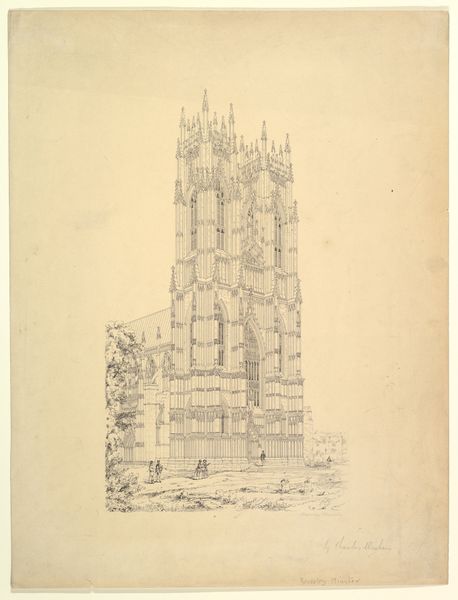
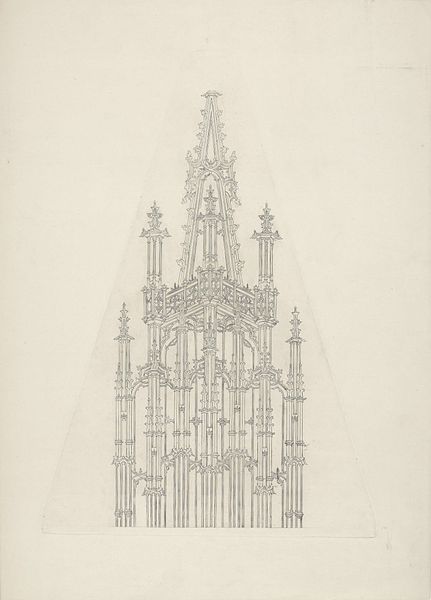
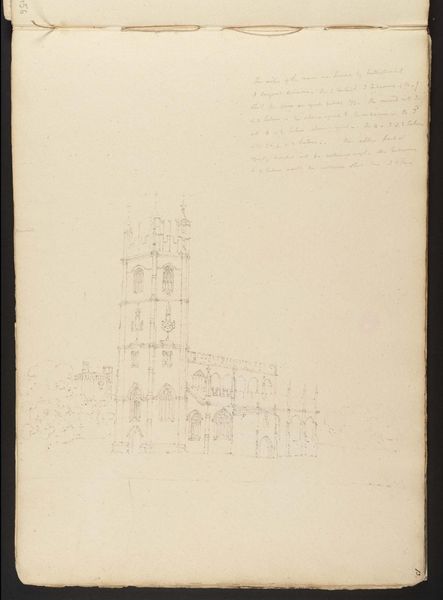
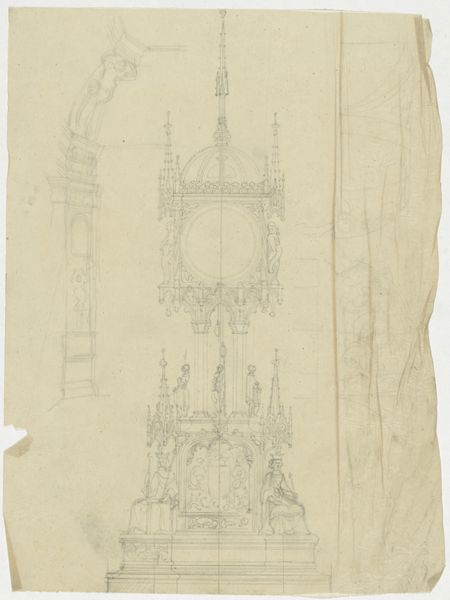
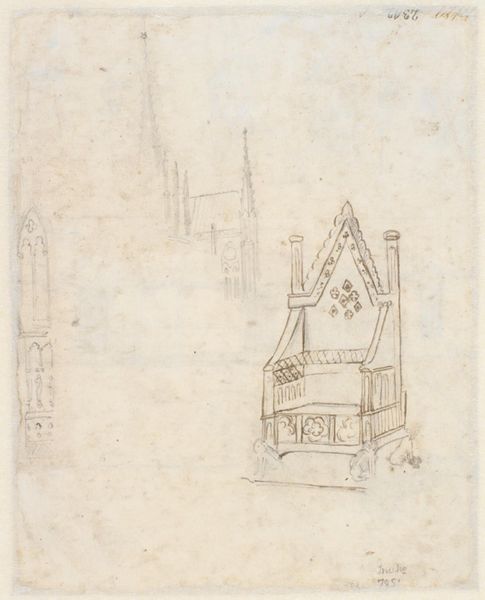
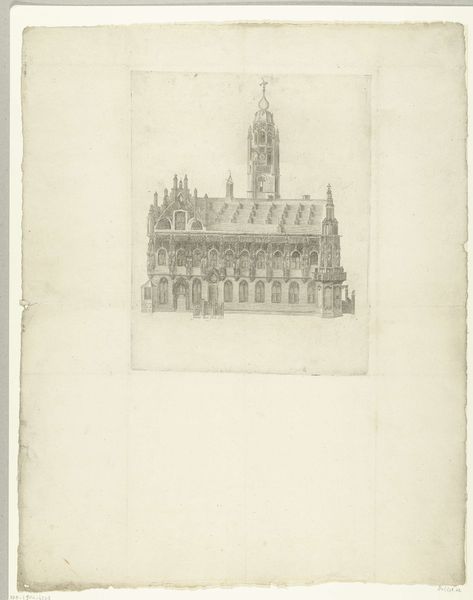
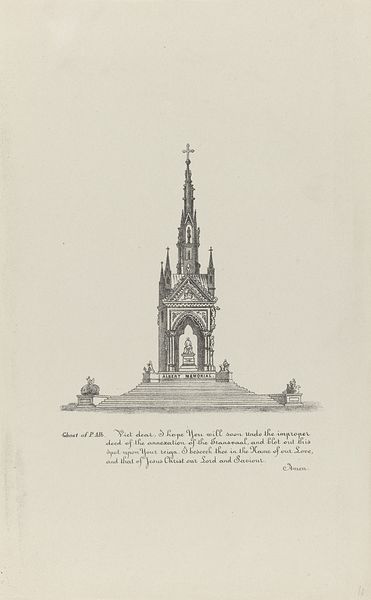
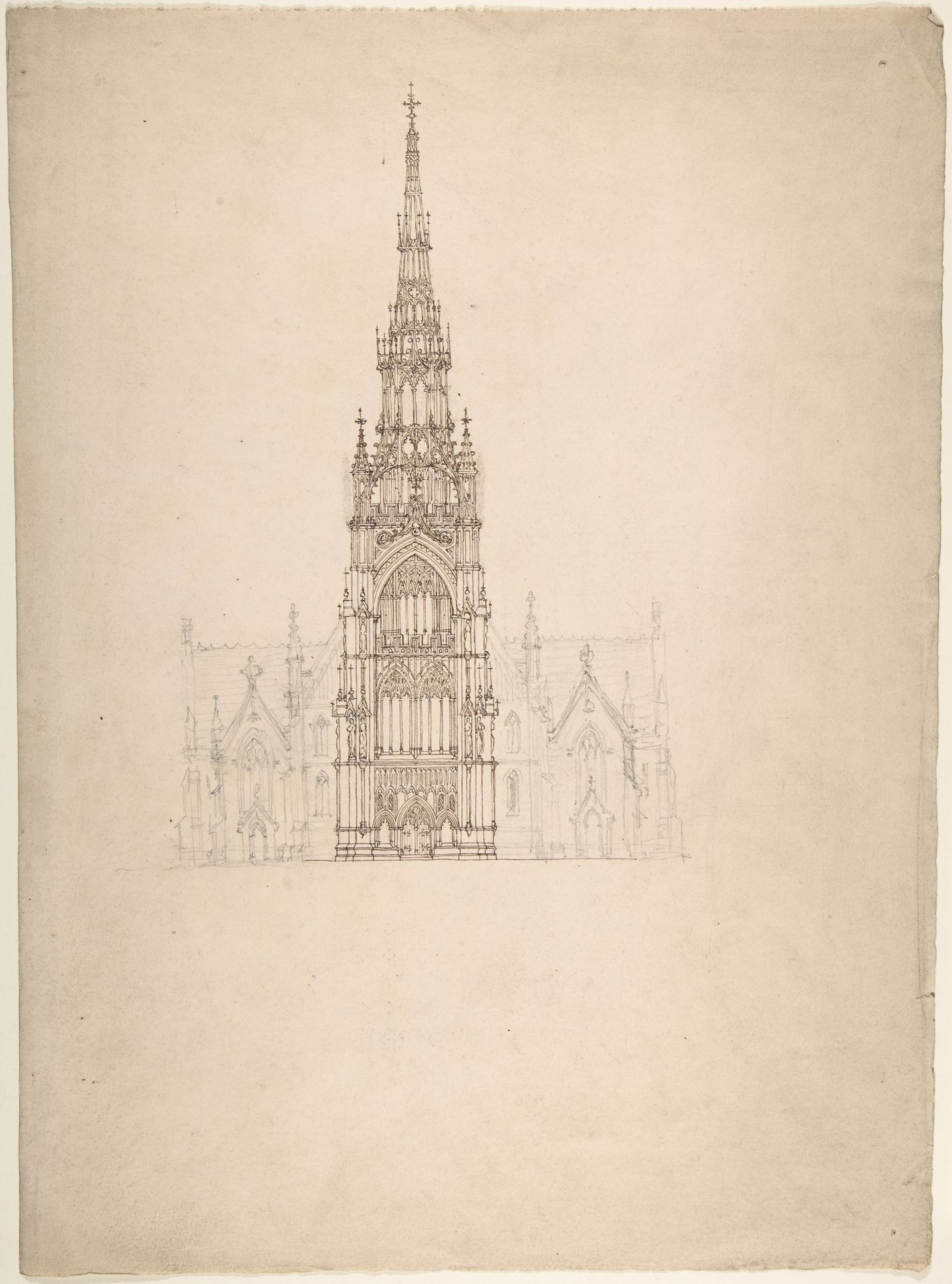
This is a design for a church in pencil on paper, made by an anonymous artist. It depicts a church in the Decorated style, a specific phase of English Gothic architecture that flourished from the late 13th to the mid-14th century. The drawing showcases the intricate details characteristic of this style, such as elaborate window tracery and ornate spire construction. The creation of such designs was often driven by the social and religious context of the time, where the construction of grand churches served as symbols of civic pride and religious devotion. The Decorated style itself can be seen as a reflection of the period's artistic and cultural values. Understanding this drawing requires a broader look into architectural history and religious practices. By consulting historical texts, architectural surveys, and social histories, we can begin to unravel the complex interplay between art, society, and institutions that shaped its creation. Ultimately, the meaning of this design lies in its connection to the cultural and historical forces of its time.
Design for a Church in the Decorated Style, Perspective
1800 - 1900


Artwork details
- Medium
- drawing, print, pencil, architecture
- Dimensions
- sheet: 14 3/4 x 11 in. (37.5 x 27.9 cm)
- Location
- Metropolitan Museum of Art, New York, NY
- Copyright
- Public Domain
Tags
Comments
Share your thoughts
About this artwork
This is a design for a church in pencil on paper, made by an anonymous artist. It depicts a church in the Decorated style, a specific phase of English Gothic architecture that flourished from the late 13th to the mid-14th century. The drawing showcases the intricate details characteristic of this style, such as elaborate window tracery and ornate spire construction. The creation of such designs was often driven by the social and religious context of the time, where the construction of grand churches served as symbols of civic pride and religious devotion. The Decorated style itself can be seen as a reflection of the period's artistic and cultural values. Understanding this drawing requires a broader look into architectural history and religious practices. By consulting historical texts, architectural surveys, and social histories, we can begin to unravel the complex interplay between art, society, and institutions that shaped its creation. Ultimately, the meaning of this design lies in its connection to the cultural and historical forces of its time.
Comments
Share your thoughts