About this artwork
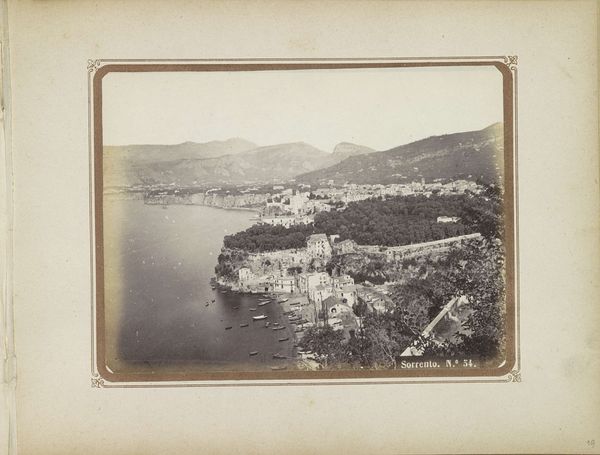
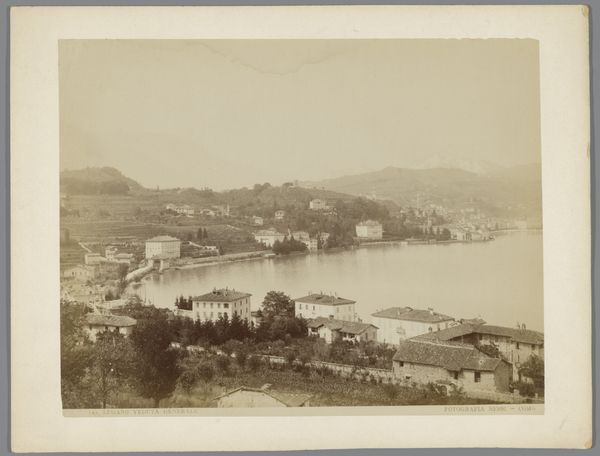
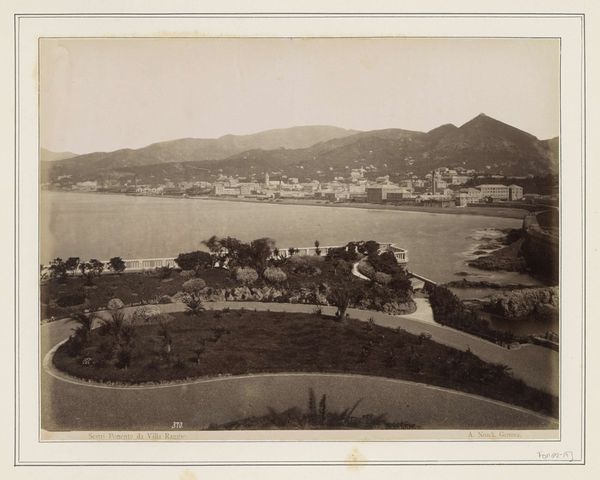
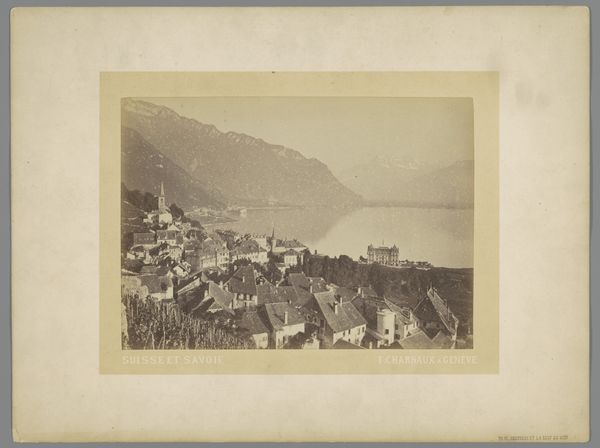
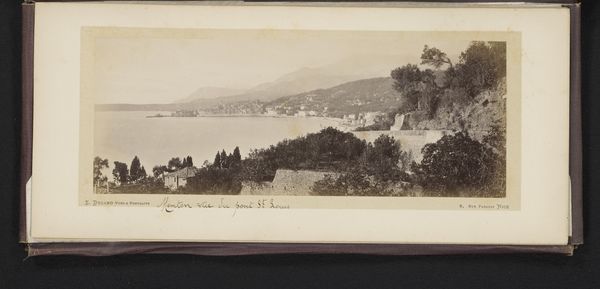
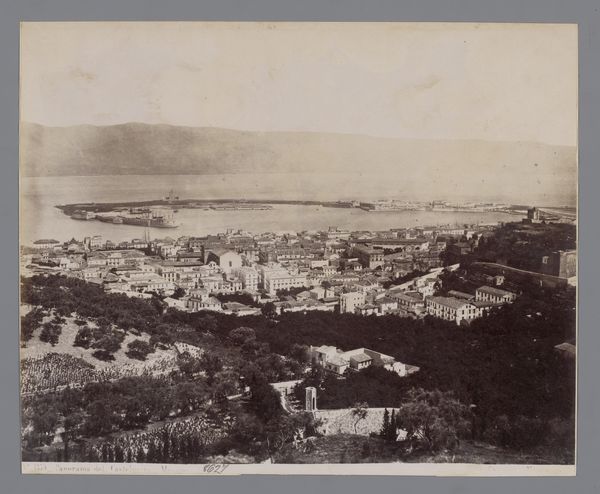
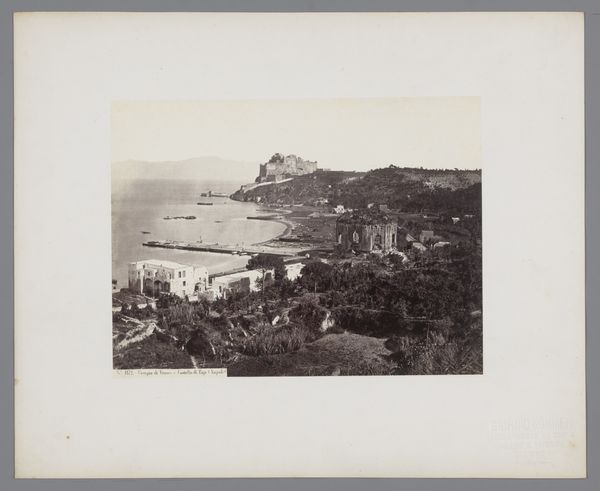
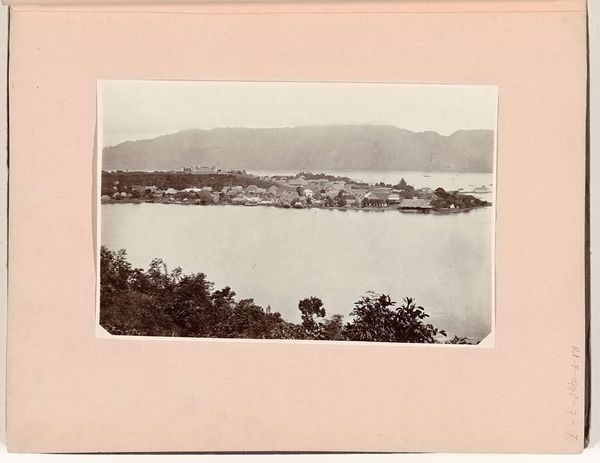
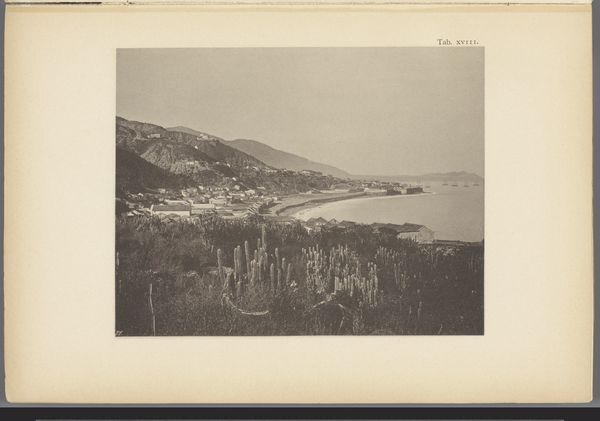
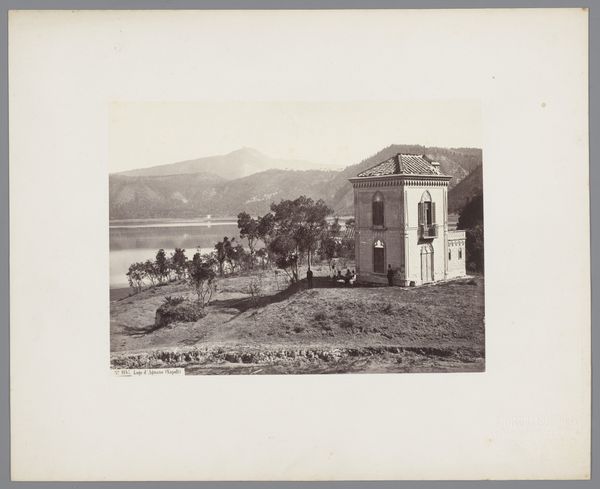
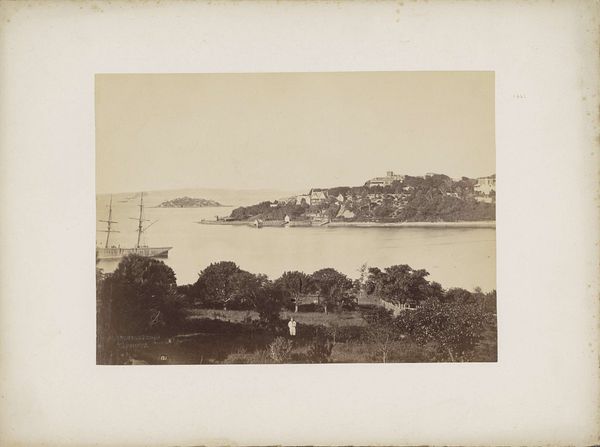
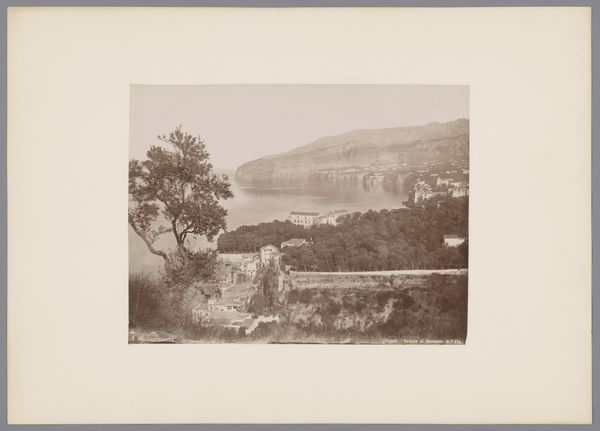
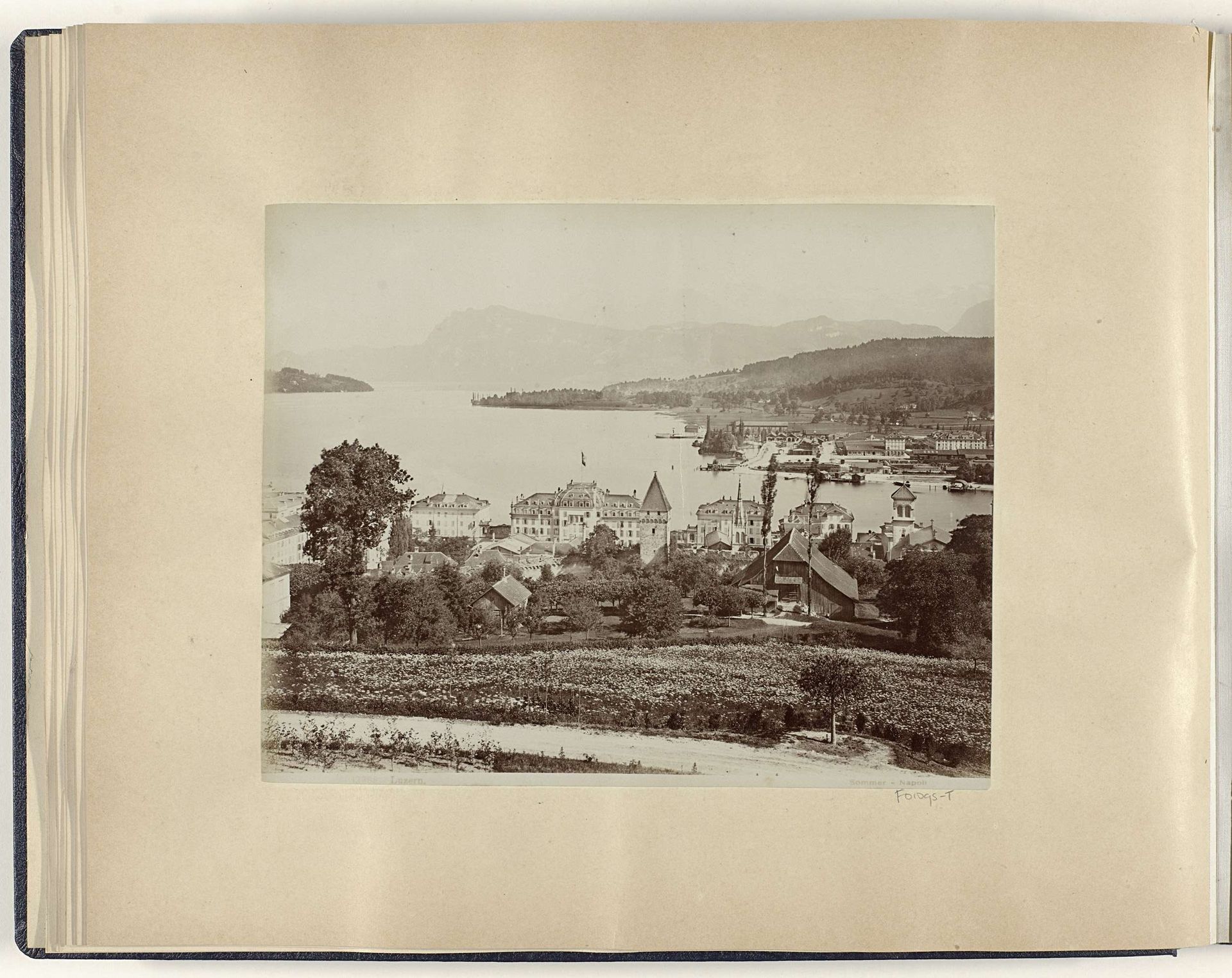
This photograph of Lucerne and Lake Lucerne was taken by Giorgio Sommer sometime in the mid-19th century. Sommer, a German photographer based in Italy, captured the popular views sought by European tourists. What does it mean to look at a photograph like this today? We’re faced with a serene, almost romanticized, landscape, but this image also prompts us to consider the gaze of the 19th-century tourist, a gaze often associated with colonial attitudes. The popularity of such views catered to a predominantly white, European, upper-class audience, reinforcing a sense of privilege and ownership over the landscape. As you look at the image, consider the act of looking itself. Who gets to look, and whose stories are told and whose are left out? How does photography, as a medium, play a role in shaping our perceptions of place and identity? The image invites us to reflect on the complex layers of history, power, and representation embedded within seemingly simple landscape photography.
Gezicht op Luzern en het Vierwoudstrekenmeer
c. 1880 - 1910

Giorgio Sommer
1834 - 1914Location
RijksmuseumArtwork details
- Dimensions
- height 203 mm, width 257 mm
- Location
- Rijksmuseum
- Copyright
- Rijks Museum: Open Domain
Tags
Comments
Share your thoughts
About this artwork
This photograph of Lucerne and Lake Lucerne was taken by Giorgio Sommer sometime in the mid-19th century. Sommer, a German photographer based in Italy, captured the popular views sought by European tourists. What does it mean to look at a photograph like this today? We’re faced with a serene, almost romanticized, landscape, but this image also prompts us to consider the gaze of the 19th-century tourist, a gaze often associated with colonial attitudes. The popularity of such views catered to a predominantly white, European, upper-class audience, reinforcing a sense of privilege and ownership over the landscape. As you look at the image, consider the act of looking itself. Who gets to look, and whose stories are told and whose are left out? How does photography, as a medium, play a role in shaping our perceptions of place and identity? The image invites us to reflect on the complex layers of history, power, and representation embedded within seemingly simple landscape photography.
Comments
Share your thoughts