About this artwork
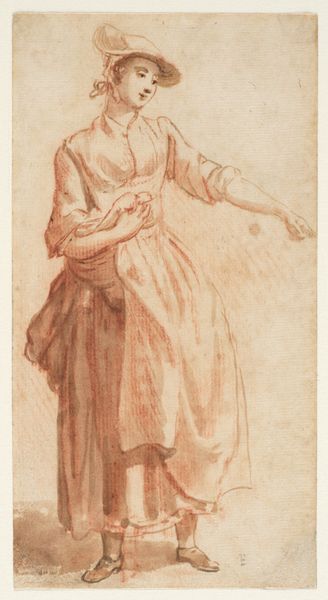
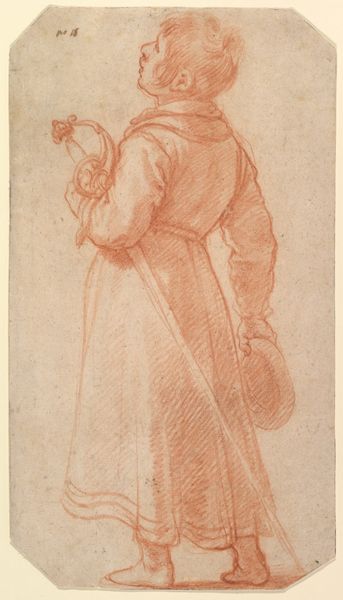
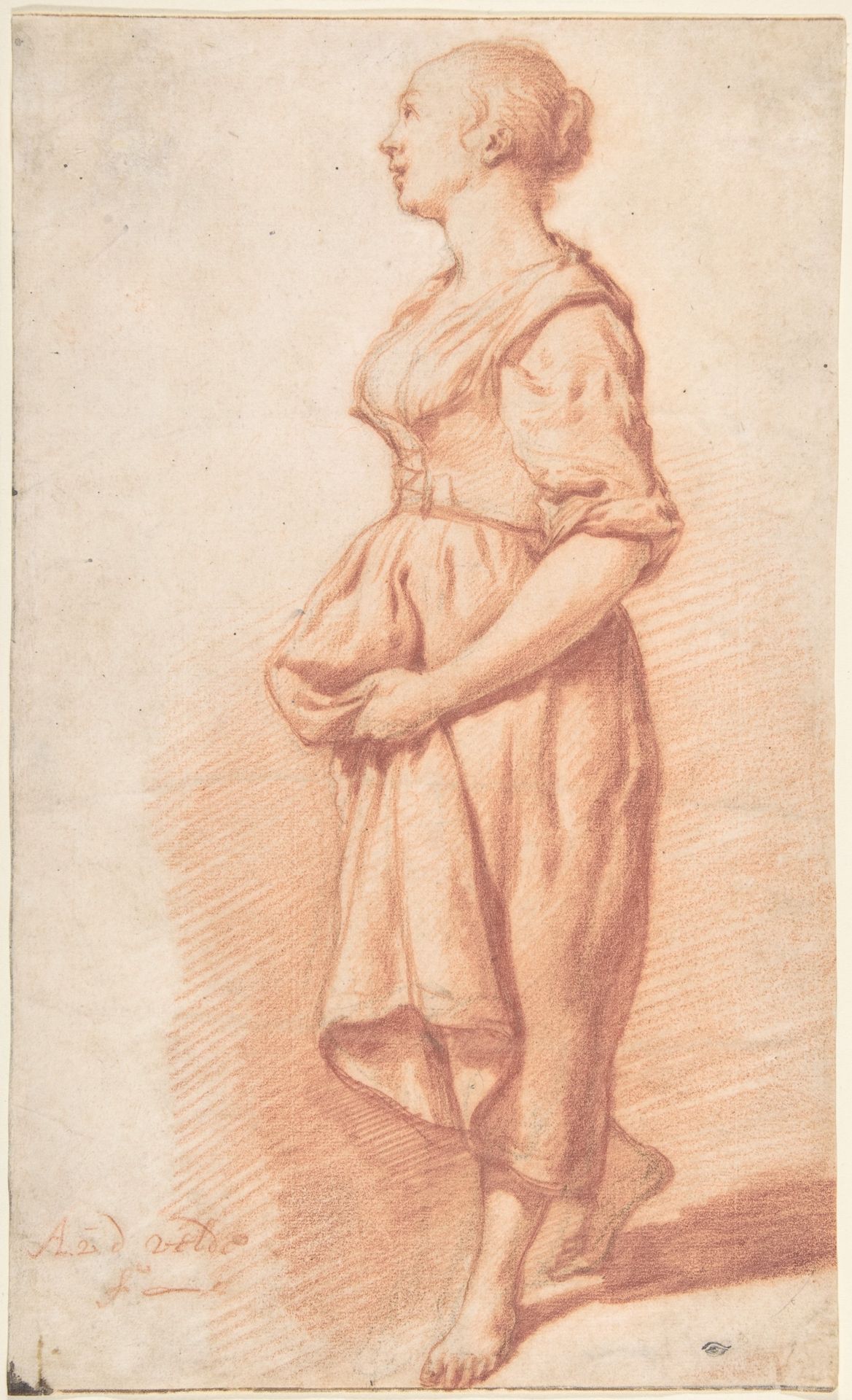
Adriaen van de Velde made this red chalk drawing of a young girl in the Dutch Republic in the mid-17th century. Her bare feet and simple dress place her as a member of the working class. In the Dutch Golden Age, artists responded to a growing merchant class by mass producing art for the open market. Van de Velde and his contemporaries often depicted the lives of ordinary people, moving away from exclusively religious or aristocratic subjects. This shift reflects the evolving social and economic landscape of the Netherlands at the time. The Dutch Republic was also distinctive in according women an unusual degree of economic and social freedom, especially those from the lower classes. To understand this work, you could explore Dutch social history and the art market of the 17th century. Researching the clothing and customs of the working class during this period can provide valuable context. The history of art institutions and the changing role of the artist are also essential to consider.
A Young Girl Walking to the Left
1656 - 1672

Adriaen van de Velde
1636 - 1672
The Metropolitan Museum of Art
Metropolitan Museum of Art, New York, NYArtwork details
- Medium
- drawing, print, pencil
- Dimensions
- sheet: 11 5/8 x 6 15/16 in. (29.6 x 17.7 cm)
- Location
- Metropolitan Museum of Art, New York, NY
- Copyright
- Public Domain
Tags
Comments
Share your thoughts
About this artwork
Adriaen van de Velde made this red chalk drawing of a young girl in the Dutch Republic in the mid-17th century. Her bare feet and simple dress place her as a member of the working class. In the Dutch Golden Age, artists responded to a growing merchant class by mass producing art for the open market. Van de Velde and his contemporaries often depicted the lives of ordinary people, moving away from exclusively religious or aristocratic subjects. This shift reflects the evolving social and economic landscape of the Netherlands at the time. The Dutch Republic was also distinctive in according women an unusual degree of economic and social freedom, especially those from the lower classes. To understand this work, you could explore Dutch social history and the art market of the 17th century. Researching the clothing and customs of the working class during this period can provide valuable context. The history of art institutions and the changing role of the artist are also essential to consider.
Comments
Share your thoughts