About this artwork
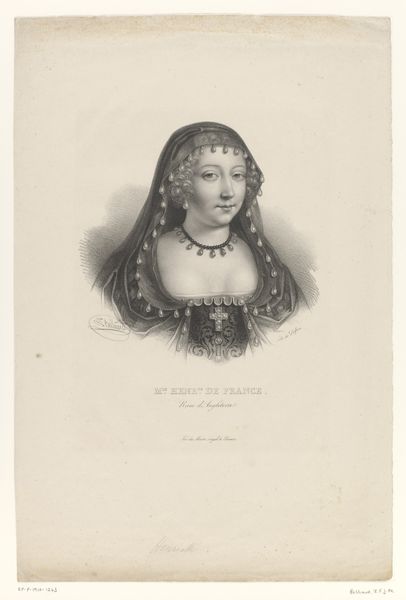
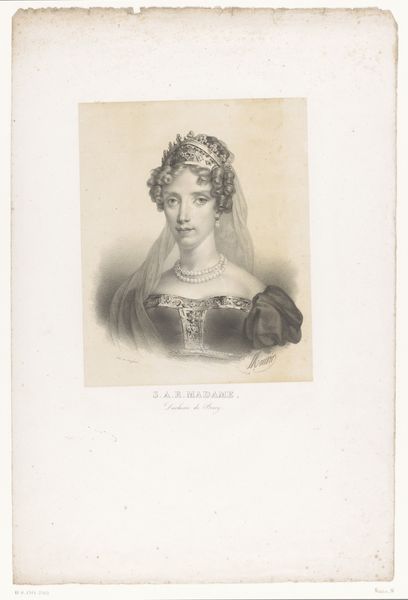
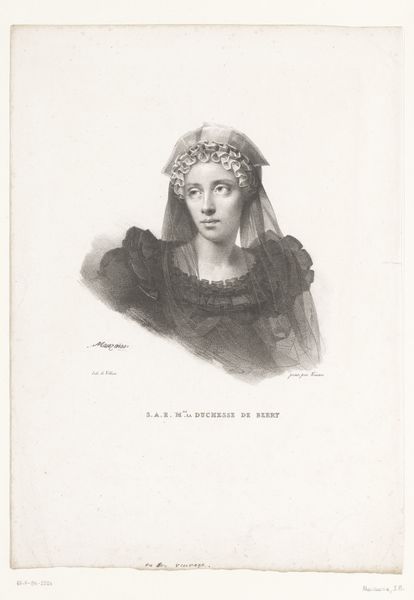
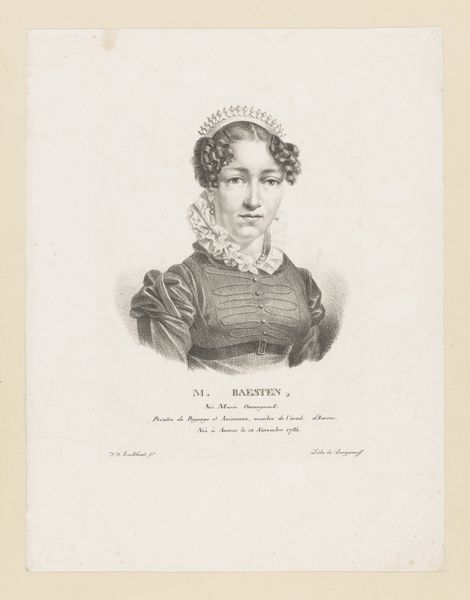
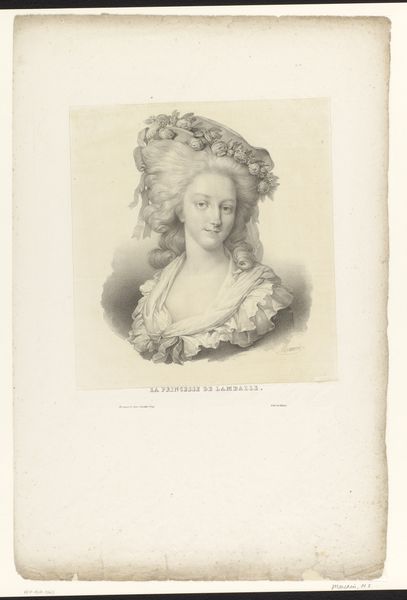
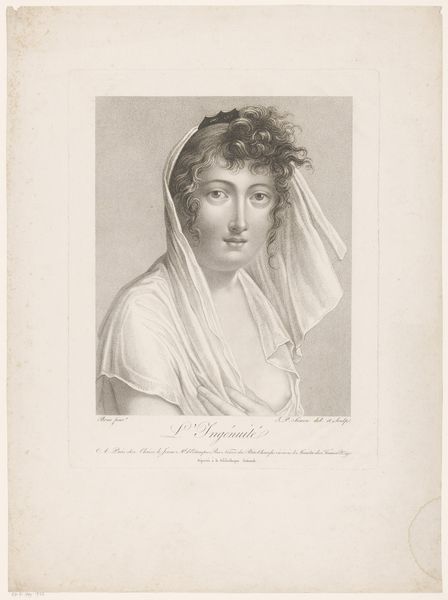
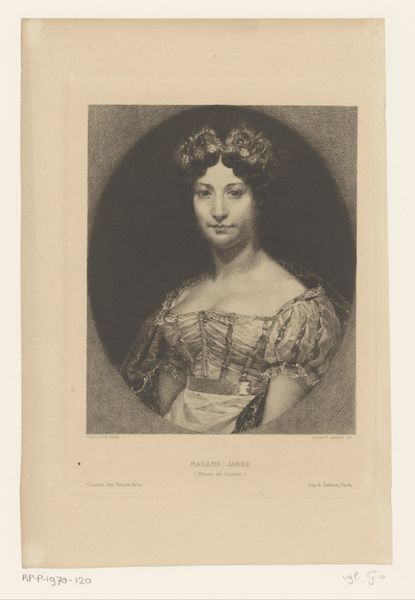
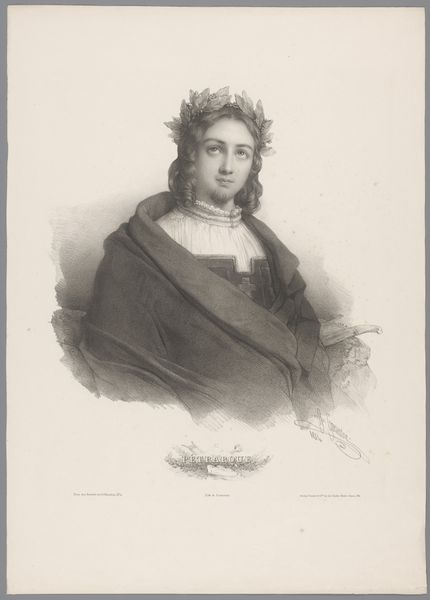
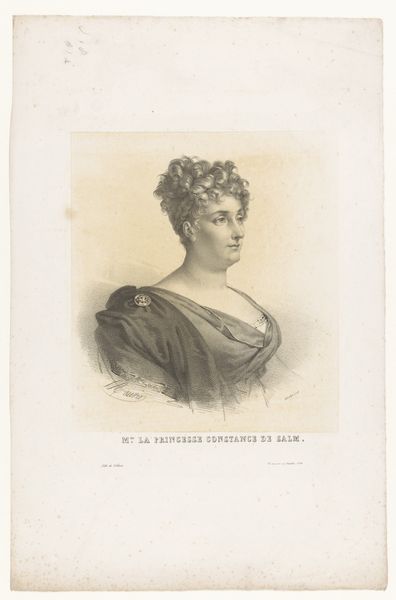
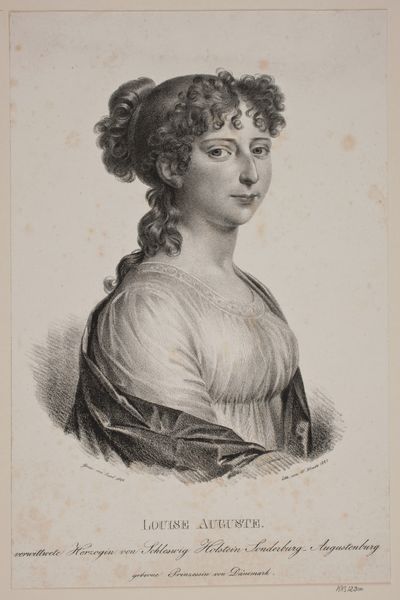
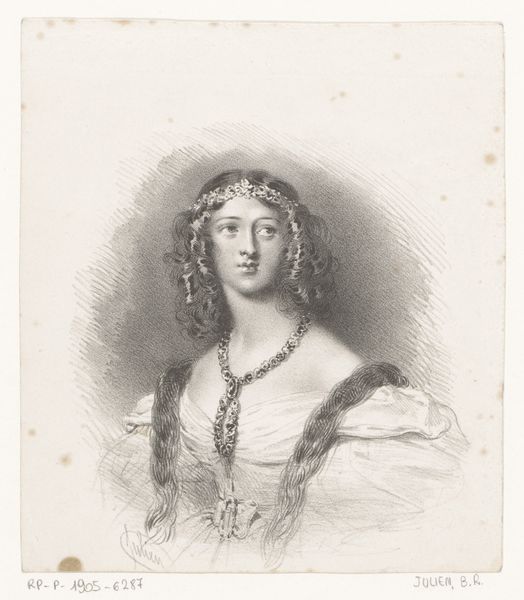
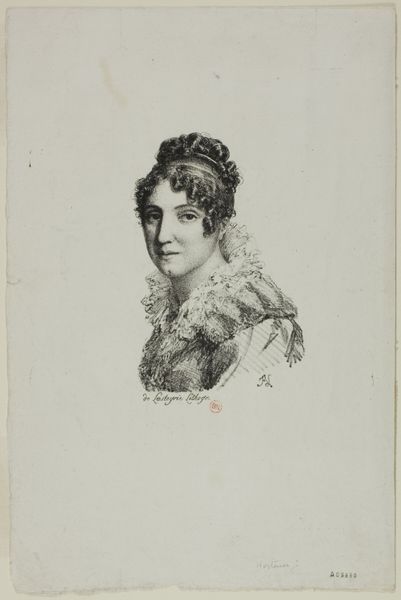
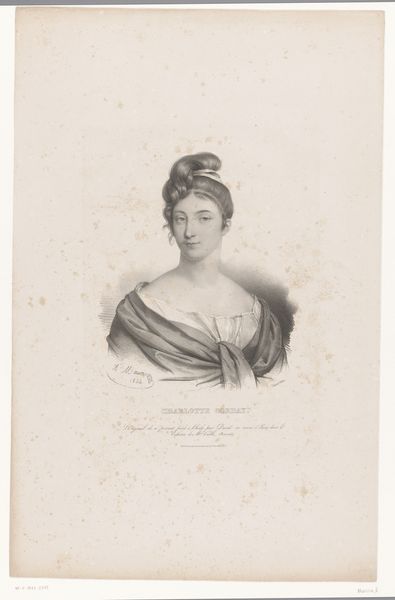
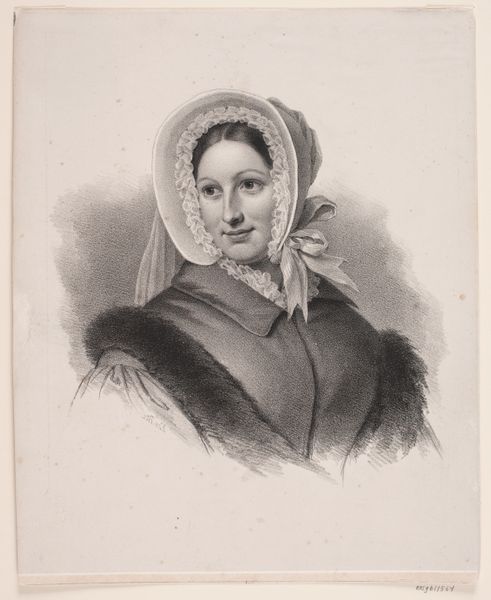
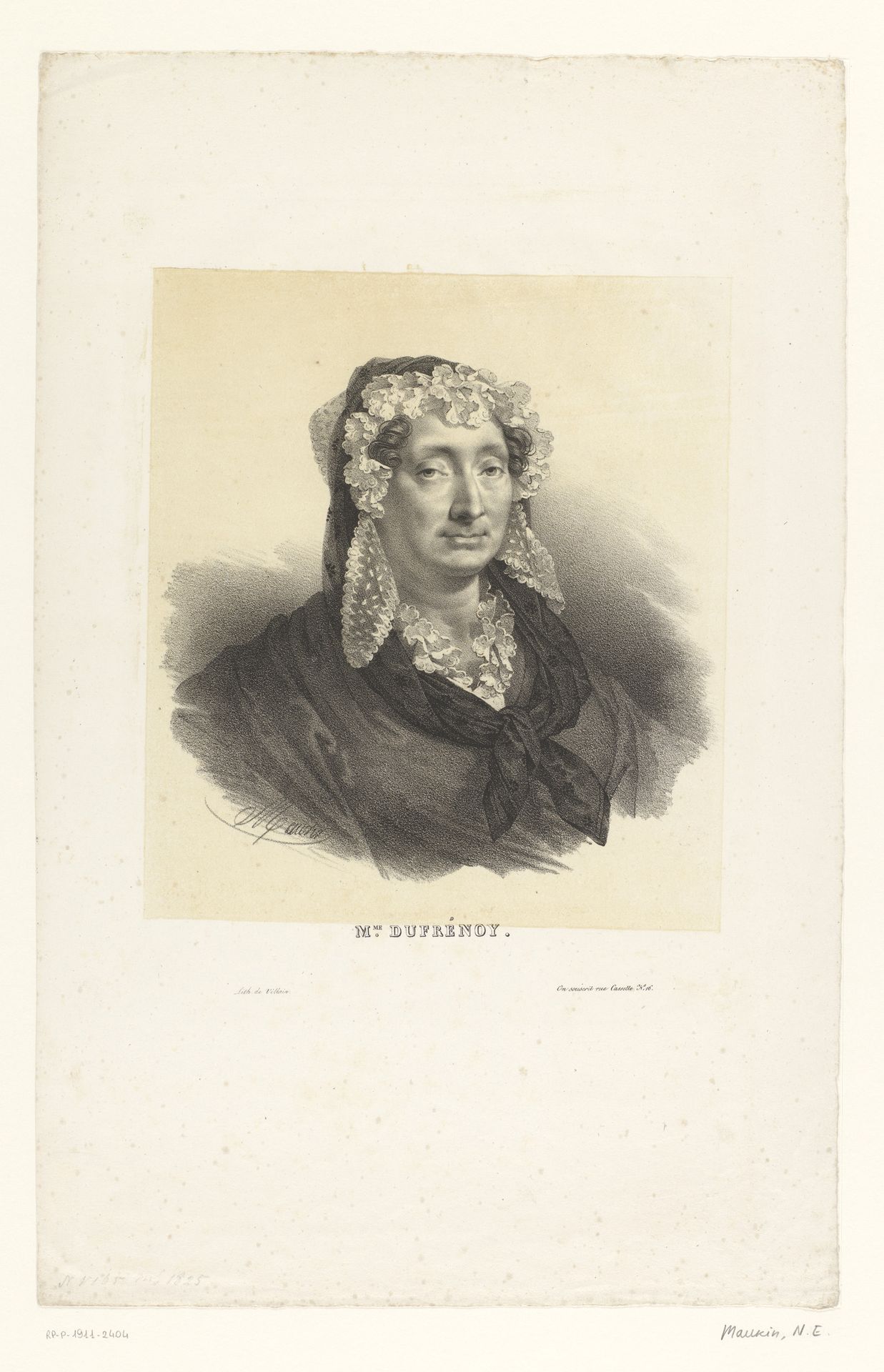
Nicolas Maurin made this print of Adélaïde-Gillette Dufrénoy, using a lithographic stone. This method, developed in the late 18th century, allowed artists to create multiple impressions of a single image. Look closely, and you'll see the subtle gradations of tone, achieved through the careful application of greasy crayon to the stone. This technique mimics the effect of a finely rendered drawing, yet it's inherently reproductive, designed for dissemination. Lithography democratized image-making to some extent, making portraits like this more accessible to a wider audience. But it also involved skilled labor: the artist who created the image, and the printer who transferred it to paper. So, it’s a fascinating intersection of art, craft, and early industrial production. The next time you look at a print, consider the labor and technology involved in its creation. It's a reminder that even seemingly simple images have complex stories to tell about production, consumption, and the changing nature of art itself.

Artwork details
- Medium
- print, engraving
- Dimensions
- height 475 mm, width 350 mm
- Copyright
- Rijks Museum: Open Domain
Tags
Comments
Share your thoughts
About this artwork
Nicolas Maurin made this print of Adélaïde-Gillette Dufrénoy, using a lithographic stone. This method, developed in the late 18th century, allowed artists to create multiple impressions of a single image. Look closely, and you'll see the subtle gradations of tone, achieved through the careful application of greasy crayon to the stone. This technique mimics the effect of a finely rendered drawing, yet it's inherently reproductive, designed for dissemination. Lithography democratized image-making to some extent, making portraits like this more accessible to a wider audience. But it also involved skilled labor: the artist who created the image, and the printer who transferred it to paper. So, it’s a fascinating intersection of art, craft, and early industrial production. The next time you look at a print, consider the labor and technology involved in its creation. It's a reminder that even seemingly simple images have complex stories to tell about production, consumption, and the changing nature of art itself.
Comments
Share your thoughts