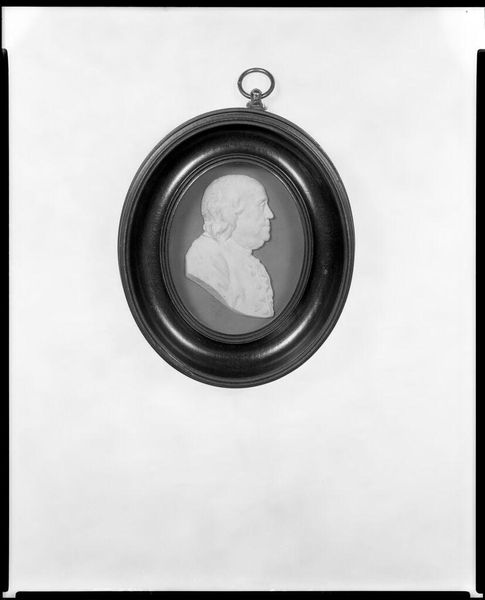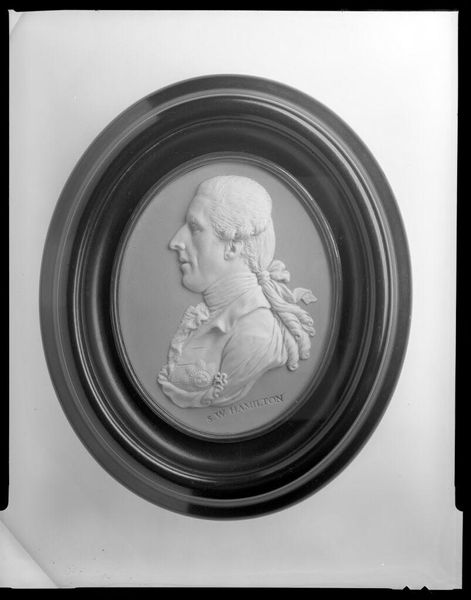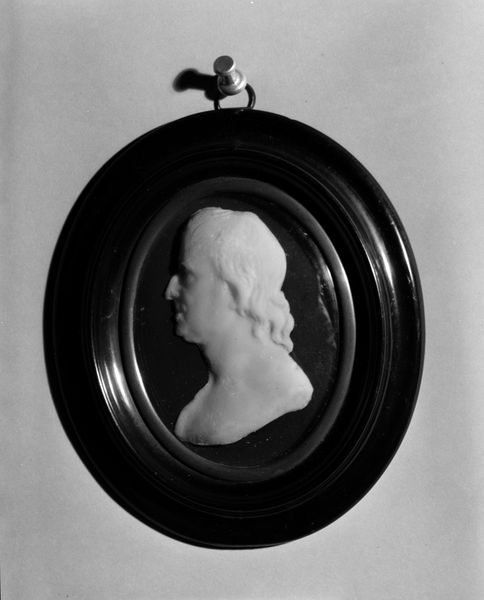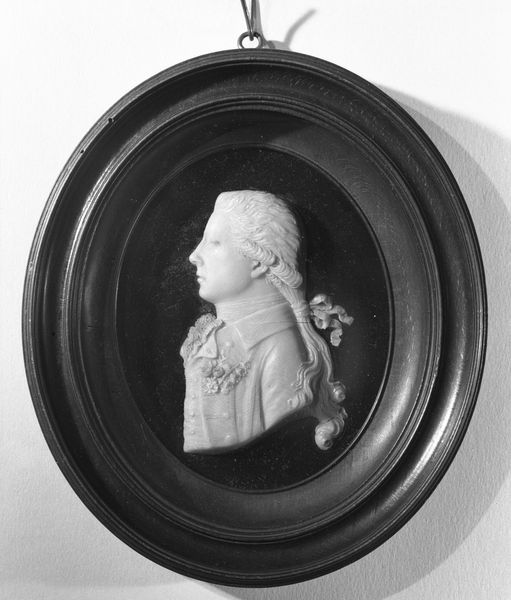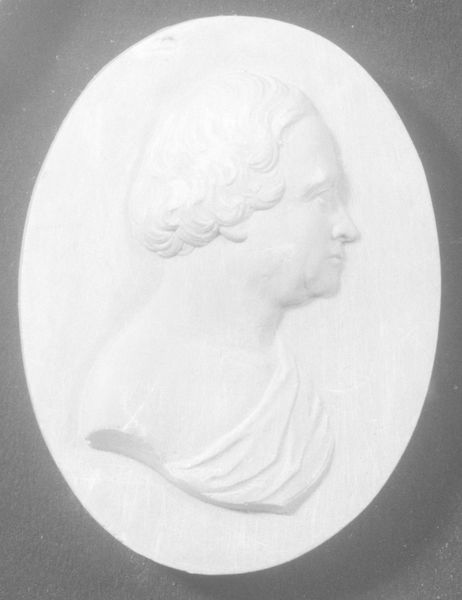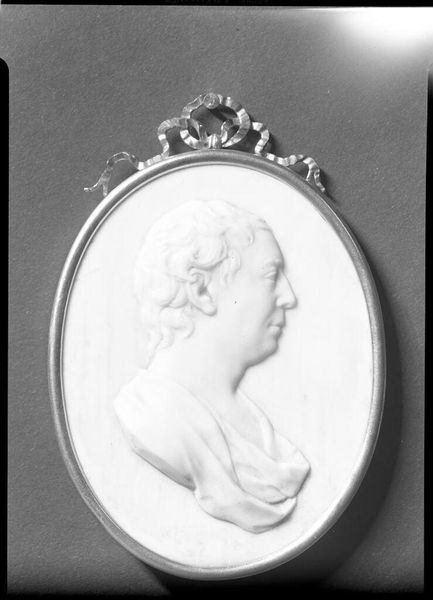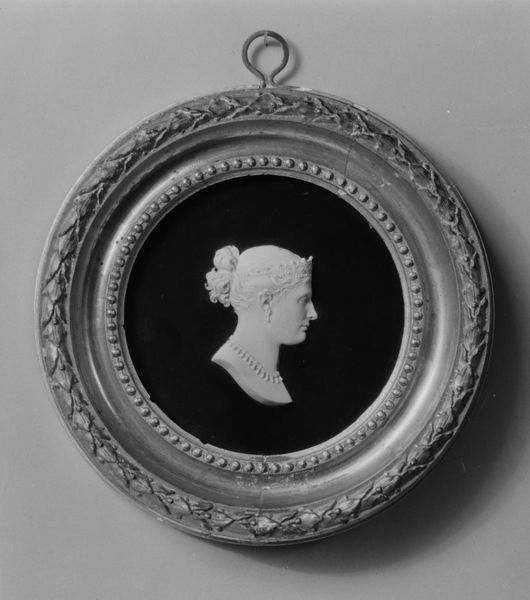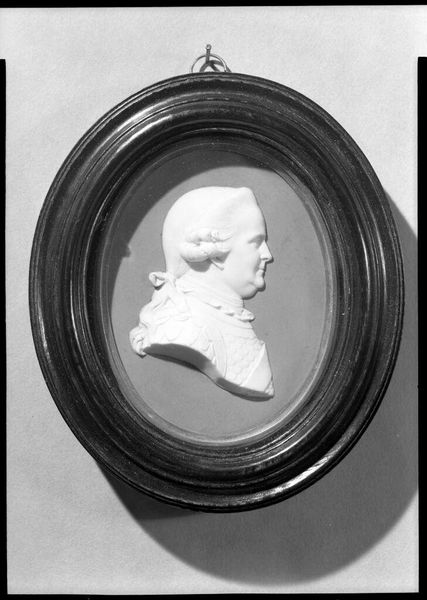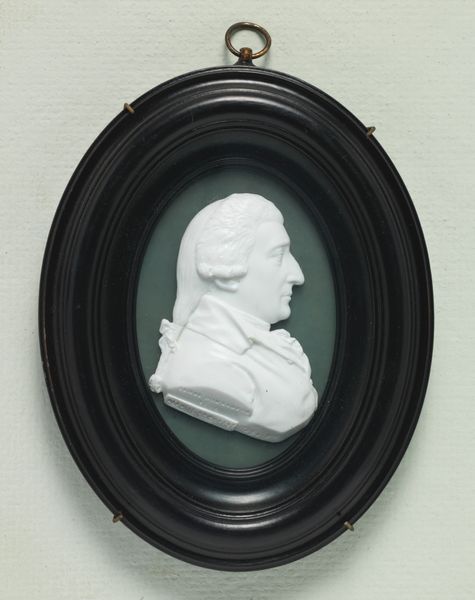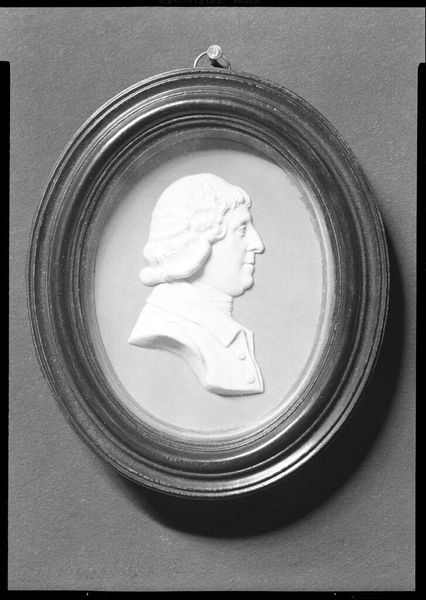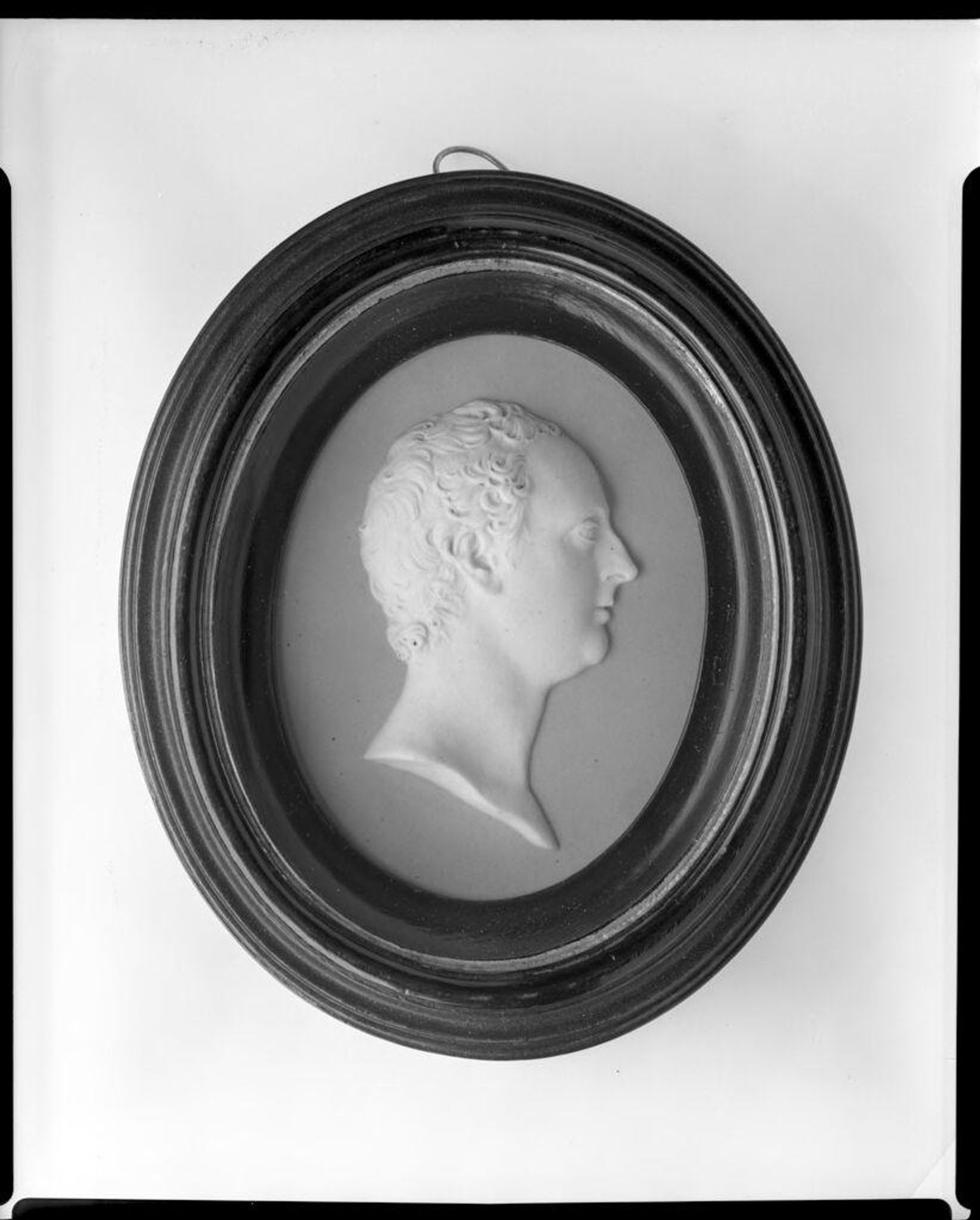
c. 1787
Thomas Pitt, First Baron Camelford (1737-1793)


Listen to curator's interpretation
Curatorial notes
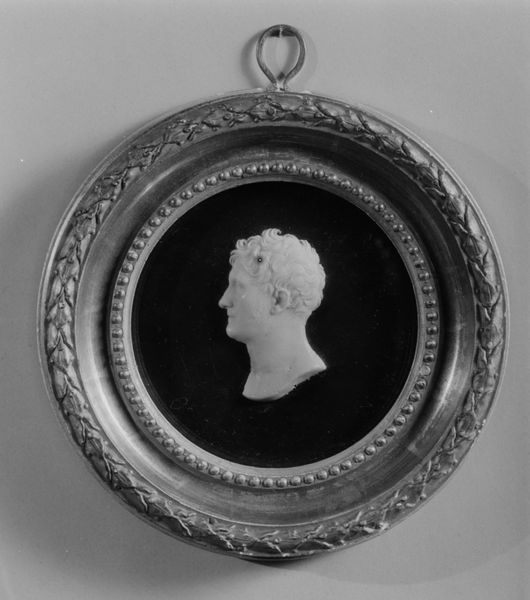
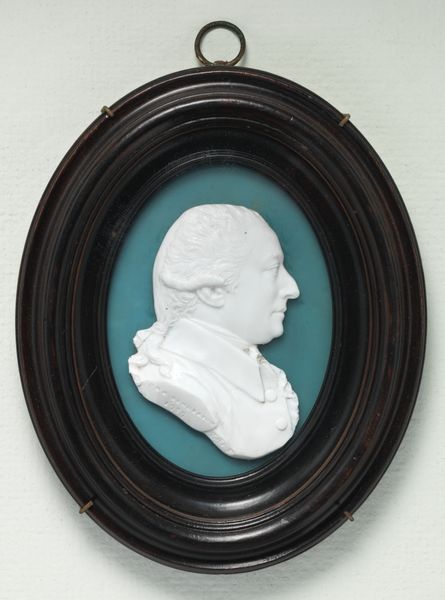
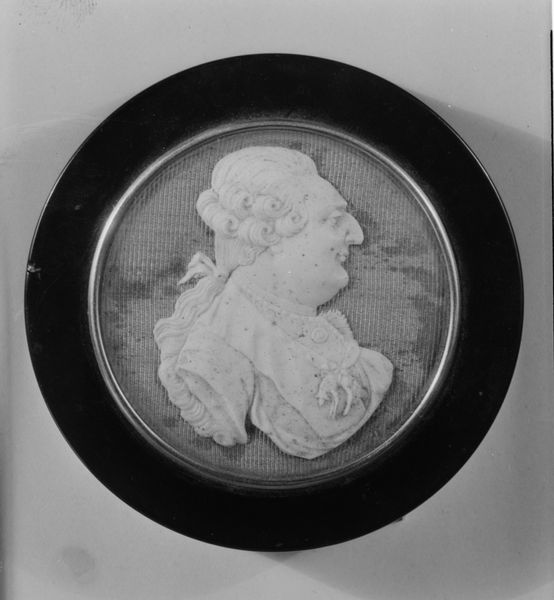
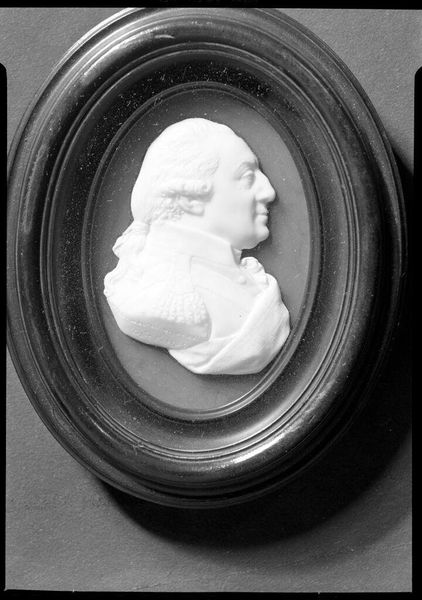
Editor: Here we have a portrait of Thomas Pitt, First Baron Camelford, made by Wedgwood. It's a small cameo relief. I'm struck by its almost mass-produced feel, despite being a portrait. What do you make of it? Curator: The industrialization of art, even portraiture, is key here. Wedgwood's factory mass-produced these cameos, democratizing access to images of the elite. This challenges the traditional idea of portraiture as unique and individualized, shifting the focus to material production and consumption. Editor: So, it's less about Pitt himself and more about Wedgwood's innovative production methods? Curator: Exactly. Consider the labor involved, the molds, the firing process. This cameo embodies the changing social context of art production during the industrial revolution. It's a product of its time, reflecting new modes of making and distribution. Editor: That's a really interesting perspective. Thanks! Curator: My pleasure. Materiality reveals unexpected narratives.