About this artwork
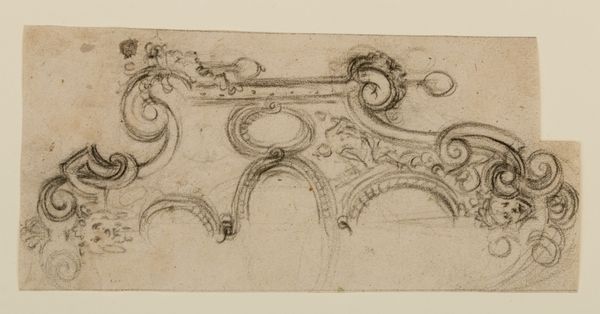
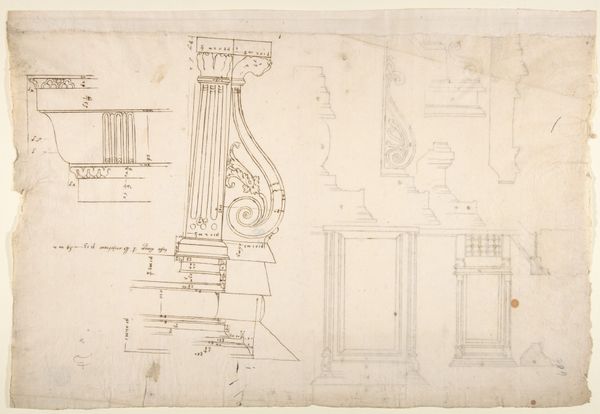
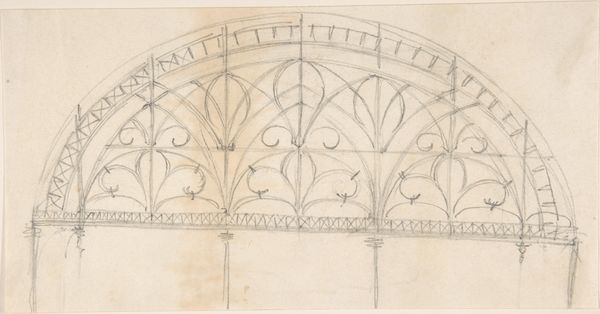
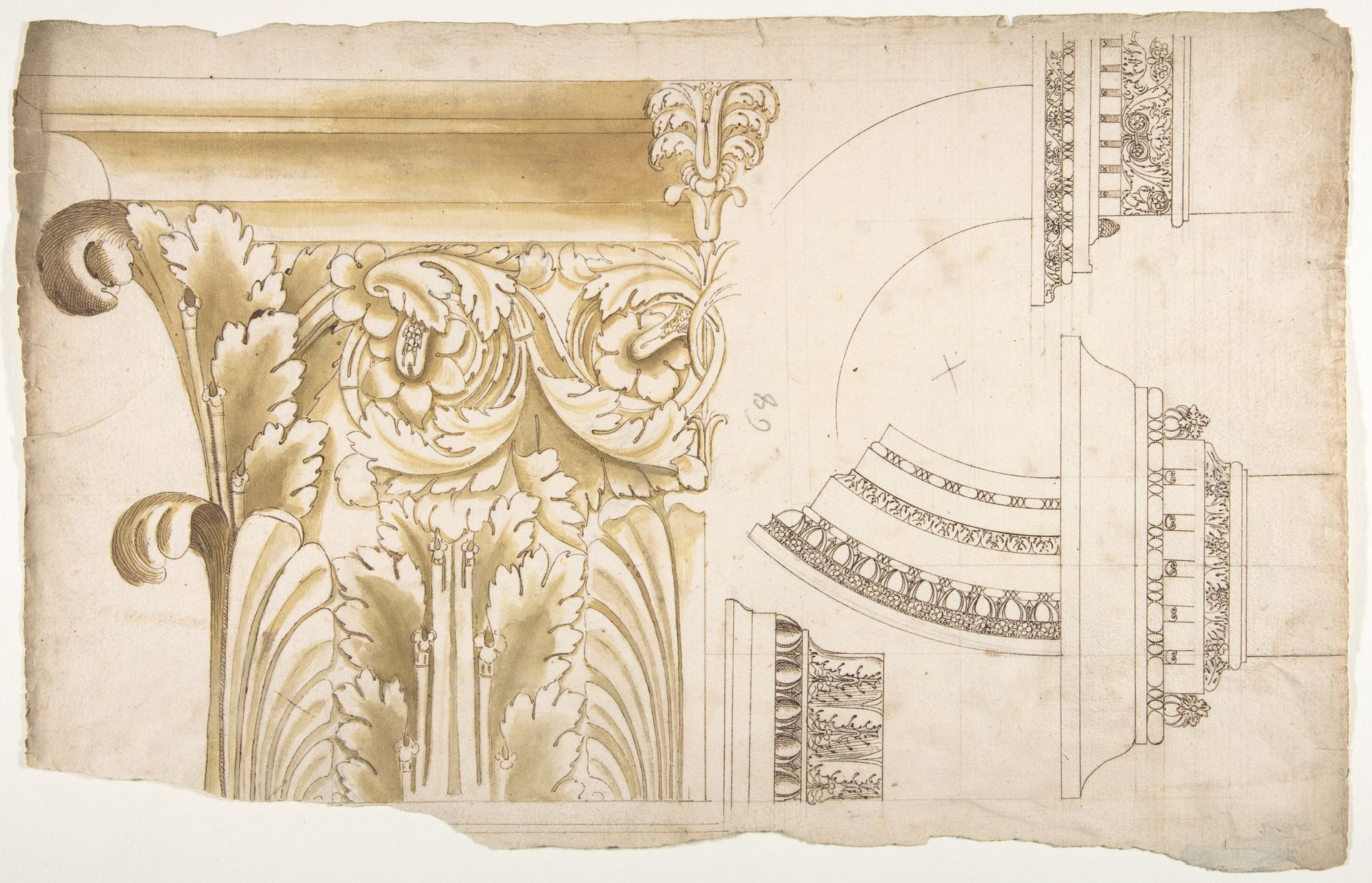
This sheet presents an anonymous drawing of the Arch of Septimius Severus, rendered in ink and watercolor. The arch, erected in 203 A.D. in the Roman Forum, commemorated Emperor Septimius Severus and his sons' victory in Parthia. Consider the power dynamics at play during the Roman Empire. Monuments like this arch were not just architectural marvels, but potent symbols of imperial authority and military dominance. They served as visual propaganda, reinforcing the image of Roman power and subjugating conquered peoples. How did the experience of seeing such a structure shape the identity and sense of belonging of Roman citizens versus those living in the colonies? The attention to detail in this drawing also invites us to reflect on the labor and skill involved in creating such structures. It is a reminder of the countless enslaved people whose forced labor underpinned the Roman economy and made such grandiose projects possible. As you contemplate this drawing, consider its place within a complex web of power, identity, and historical memory.
Arch of Septimius Severus, pilaster capital, elevation; impost and arch elevation; detail (recto) blank (verso) 1500 - 1560


Artwork details
- Medium
- drawing, print, paper, ink, pencil, architecture
- Dimensions
- sheet: 17 5/8 x 11 3/8 in. (44.7 x 28.9 cm)
- Location
- Metropolitan Museum of Art, New York, NY
- Copyright
- Public Domain
Tags
drawing
ink painting
book
pencil sketch
classical-realism
etching
paper
11_renaissance
ink
pencil
history-painting
architecture
Comments
No comments
About this artwork
This sheet presents an anonymous drawing of the Arch of Septimius Severus, rendered in ink and watercolor. The arch, erected in 203 A.D. in the Roman Forum, commemorated Emperor Septimius Severus and his sons' victory in Parthia. Consider the power dynamics at play during the Roman Empire. Monuments like this arch were not just architectural marvels, but potent symbols of imperial authority and military dominance. They served as visual propaganda, reinforcing the image of Roman power and subjugating conquered peoples. How did the experience of seeing such a structure shape the identity and sense of belonging of Roman citizens versus those living in the colonies? The attention to detail in this drawing also invites us to reflect on the labor and skill involved in creating such structures. It is a reminder of the countless enslaved people whose forced labor underpinned the Roman economy and made such grandiose projects possible. As you contemplate this drawing, consider its place within a complex web of power, identity, and historical memory.
Comments
No comments