About this artwork
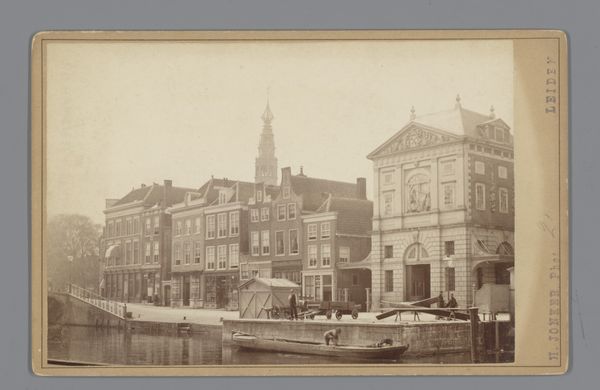
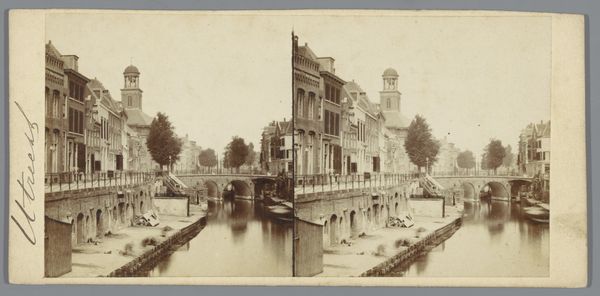
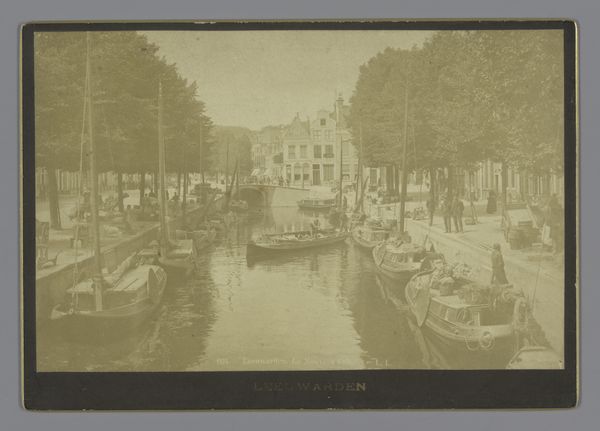
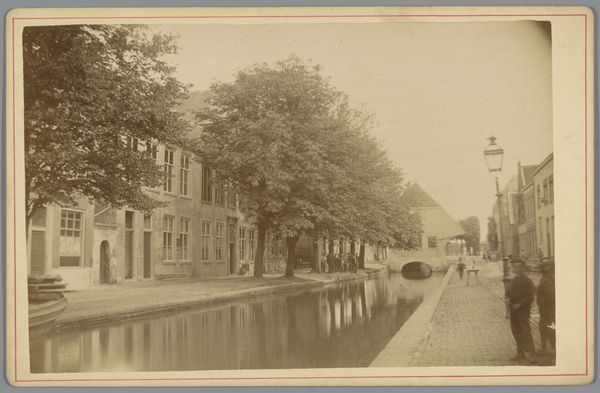
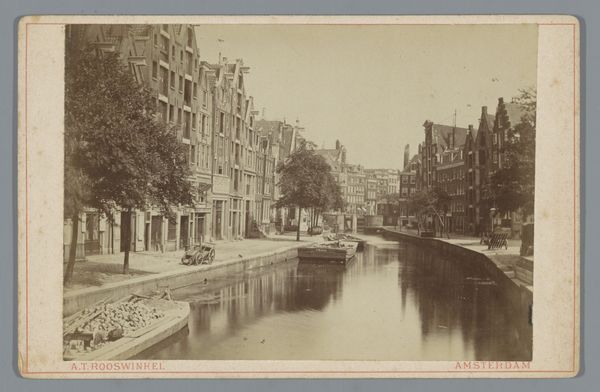
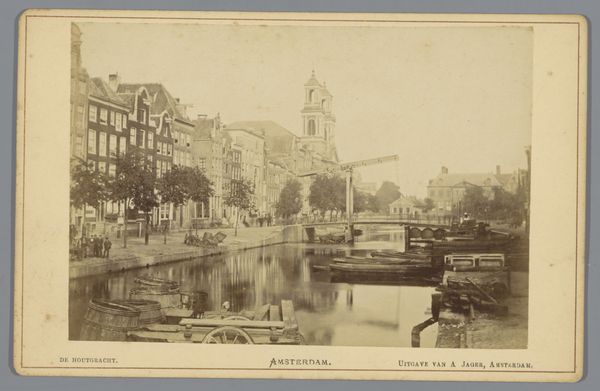
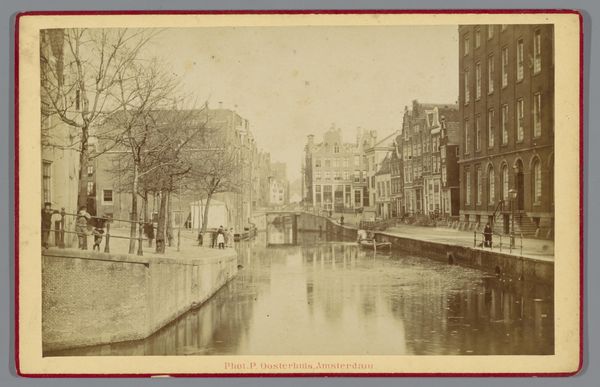
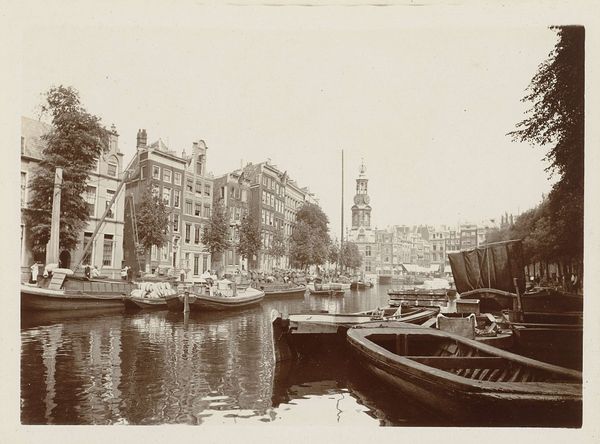
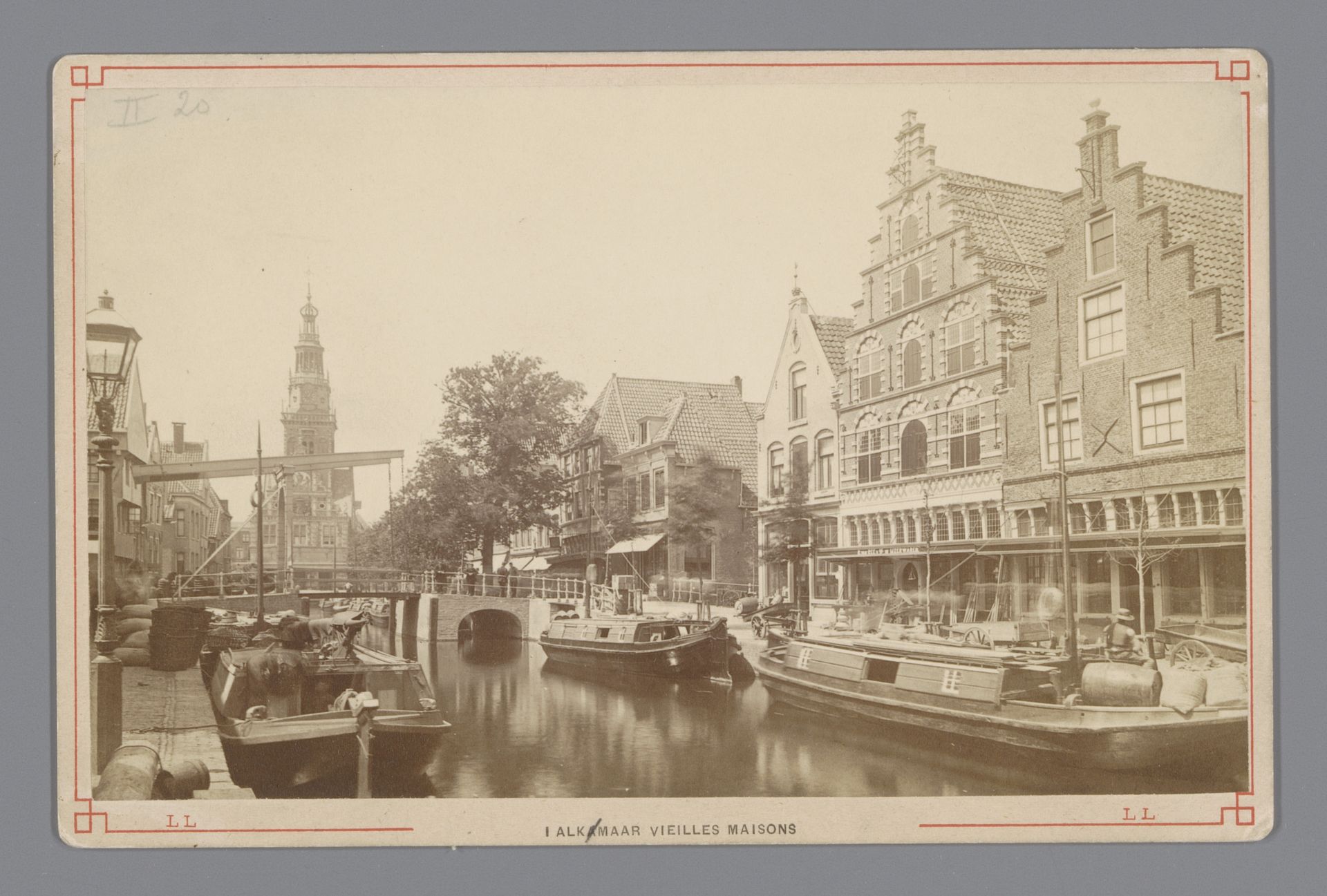
Léon & Lévy produced this photograph of Alkmaar in the Netherlands using a relatively new technology in the late 19th century. The photograph itself is a study in contrasts between the new and old. The scene features a canal lined with traditional Dutch buildings and boats, but it's captured through a lens that represents industrial progress. Photography, at this time, was becoming more accessible, and the production of images less reliant on the skilled hand of an artist, democratizing image production. This shift from hand-painted artworks to mechanically reproduced images had significant social implications, influencing the way people perceived and documented the world around them. Consider the labor involved in creating earlier images compared to the relative ease of photography. It challenges traditional notions of art and craftsmanship, blurring the lines between artistic skill, industrial processes, and mass consumption. This photograph prompts us to consider the historical context in which it was made and the ways in which it reflects changing social values and economic structures.

Artwork details
- Medium
- photography, gelatin-silver-print
- Dimensions
- height 97 mm, width 157 mm, height 108 mm, width 165 mm
- Copyright
- Rijks Museum: Open Domain
Tags
Comments
Share your thoughts
About this artwork
Léon & Lévy produced this photograph of Alkmaar in the Netherlands using a relatively new technology in the late 19th century. The photograph itself is a study in contrasts between the new and old. The scene features a canal lined with traditional Dutch buildings and boats, but it's captured through a lens that represents industrial progress. Photography, at this time, was becoming more accessible, and the production of images less reliant on the skilled hand of an artist, democratizing image production. This shift from hand-painted artworks to mechanically reproduced images had significant social implications, influencing the way people perceived and documented the world around them. Consider the labor involved in creating earlier images compared to the relative ease of photography. It challenges traditional notions of art and craftsmanship, blurring the lines between artistic skill, industrial processes, and mass consumption. This photograph prompts us to consider the historical context in which it was made and the ways in which it reflects changing social values and economic structures.
Comments
Share your thoughts