About this artwork
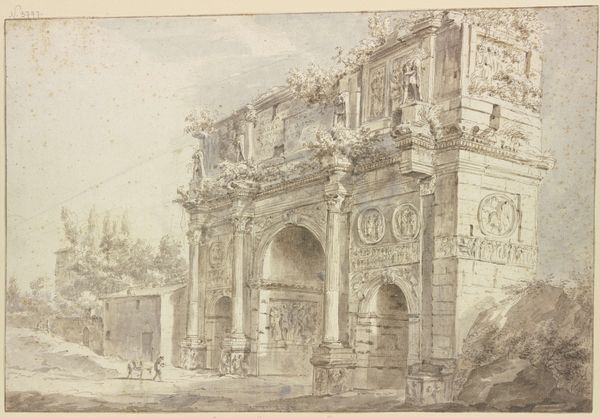
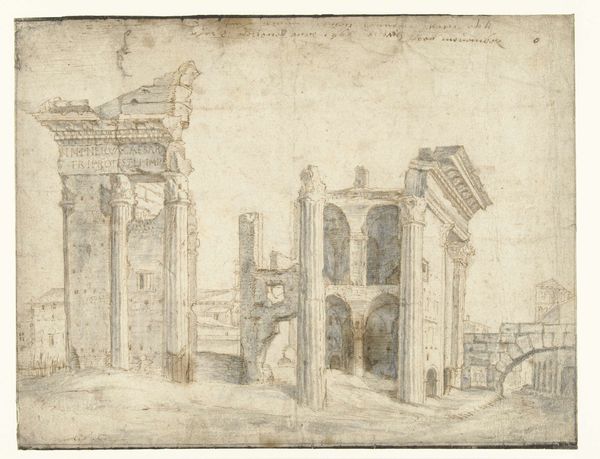
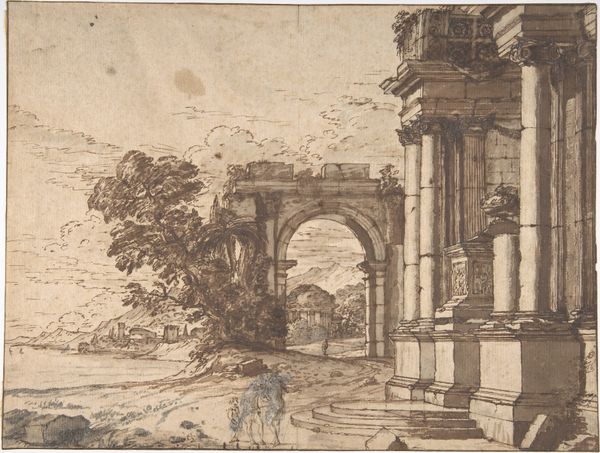
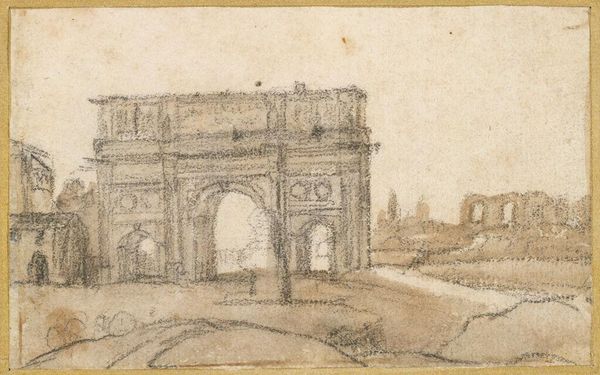
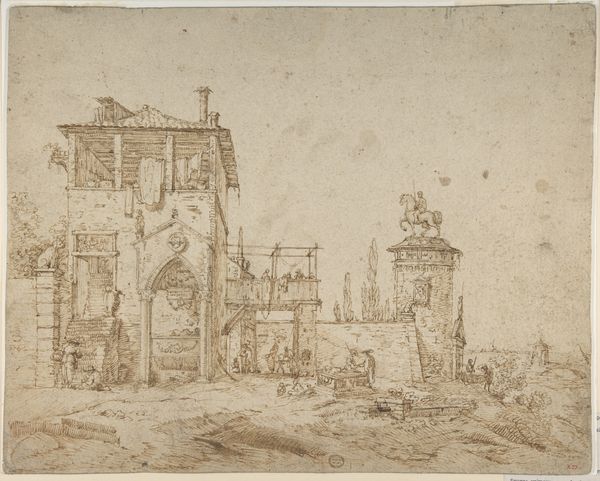
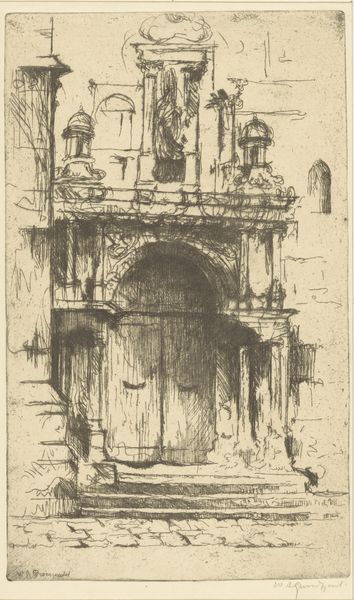
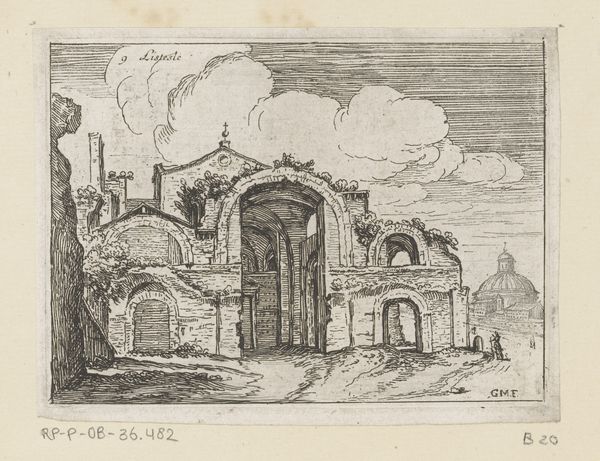
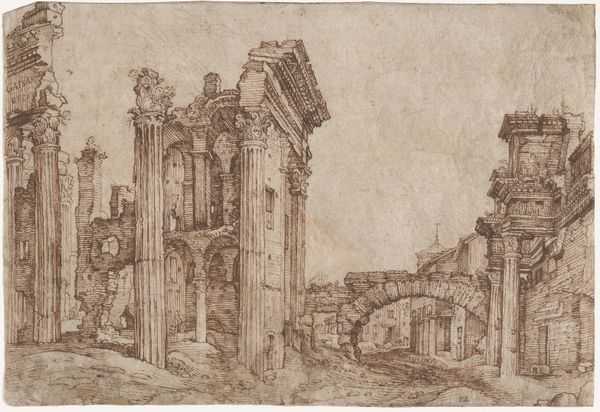
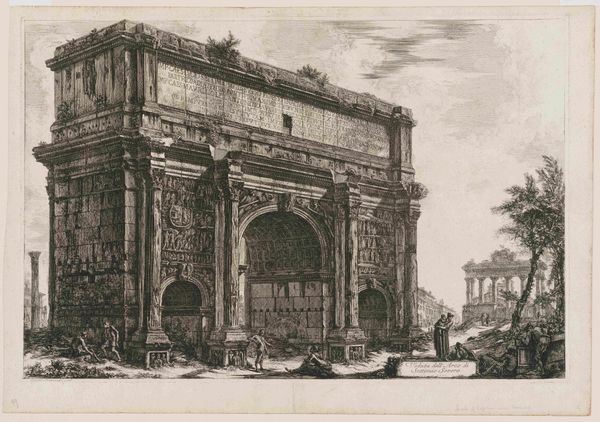
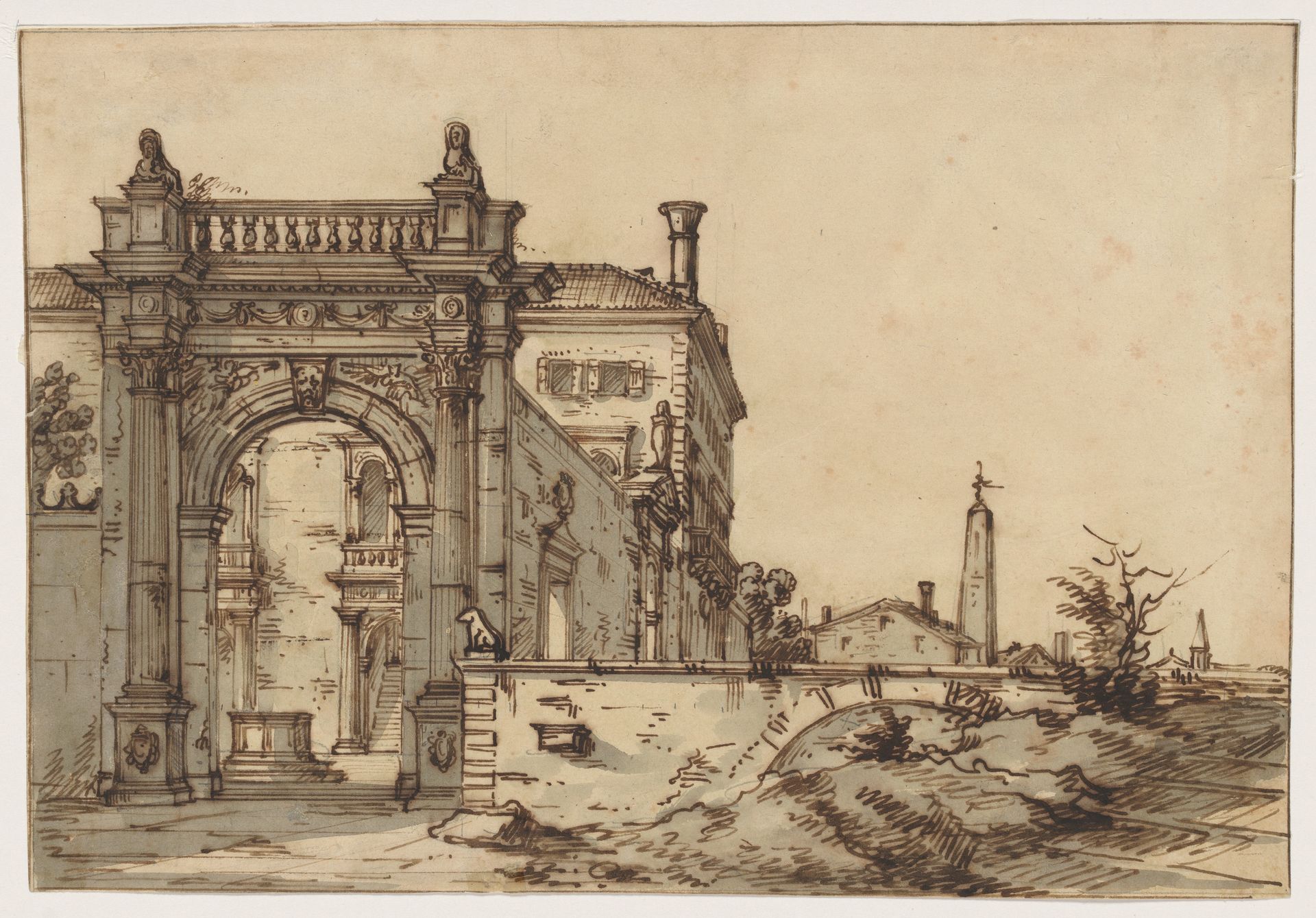
Bernardo Bellotto created this drawing of a Venetian Villa using pen and brown ink with gray wash, common materials for sketching architectural details. The villa emerges from the page through Bellotto’s skilled hand, using hatching and cross-hatching to define form and shadow. The linear quality of the pen work is perfect for capturing the precision of classical architecture, while the wash lends a sense of depth and atmosphere. The artist's hand is evident in every stroke, a direct connection to the 18th century. Drawings like these were not only artistic exercises, but also served a practical purpose, documenting the built environment and, perhaps, inspiring future construction. The architecture itself represents a significant investment of labor and materials. Considering these origins allows us to appreciate Bellotto’s work beyond its aesthetic appeal, recognizing it as a product of its time, reflecting the values and practices of a society that prized both artistic skill and architectural grandeur.
A Venetian Villa
1738 - 1783


Artwork details
- Dimensions
- 7 1/2 x 10 7/8 in. (19 x 27.7 cm)
- Location
- Metropolitan Museum of Art, New York, NY
- Copyright
- Public Domain
Comments
Share your thoughts
About this artwork
Bernardo Bellotto created this drawing of a Venetian Villa using pen and brown ink with gray wash, common materials for sketching architectural details. The villa emerges from the page through Bellotto’s skilled hand, using hatching and cross-hatching to define form and shadow. The linear quality of the pen work is perfect for capturing the precision of classical architecture, while the wash lends a sense of depth and atmosphere. The artist's hand is evident in every stroke, a direct connection to the 18th century. Drawings like these were not only artistic exercises, but also served a practical purpose, documenting the built environment and, perhaps, inspiring future construction. The architecture itself represents a significant investment of labor and materials. Considering these origins allows us to appreciate Bellotto’s work beyond its aesthetic appeal, recognizing it as a product of its time, reflecting the values and practices of a society that prized both artistic skill and architectural grandeur.
Comments
Share your thoughts